Wandsworth Common
Charles Haddon Spurgeon (1834-1892)
Baptist preacher who lived 99 Nightingale Lane
Charles Haddon Spurgeon (1834-1892)
Baptist preacher who lived 99 Nightingale Lane
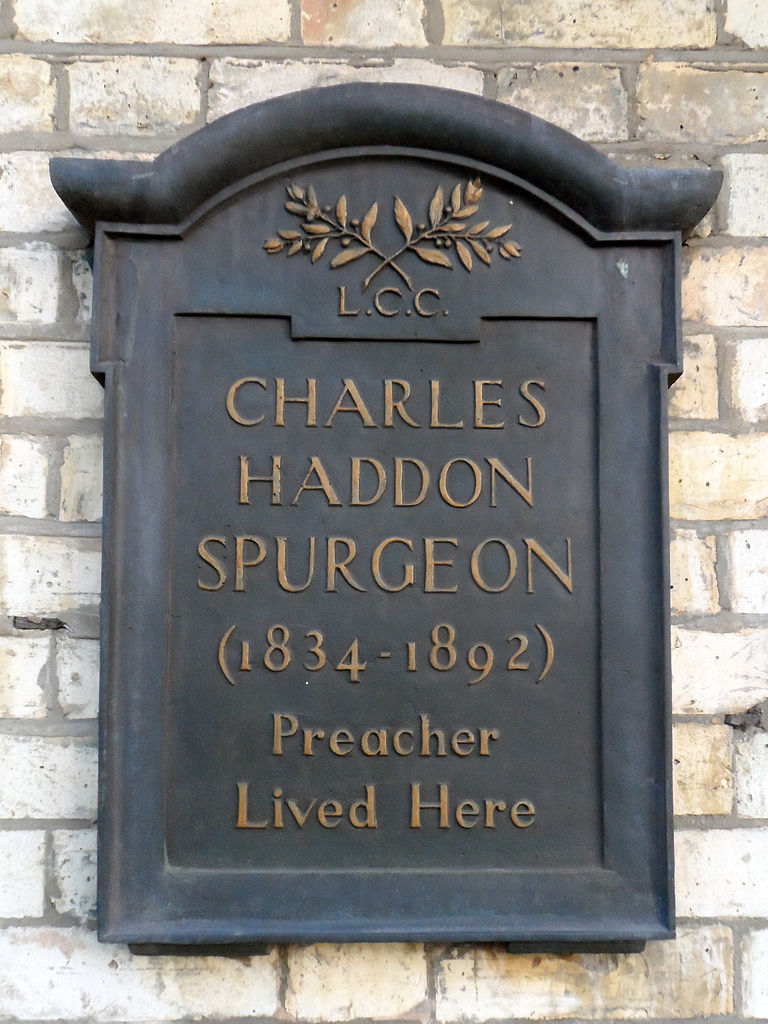
LCC plaque to Charles Haddon Spurgeon, 99 Nightingale Lane.
(Click on image to enlarge)
Lived on Nightingale Lane at 99. [ADD PIC OF LCC PLAQUE.] Prominent Baptist locally and throughout the world.
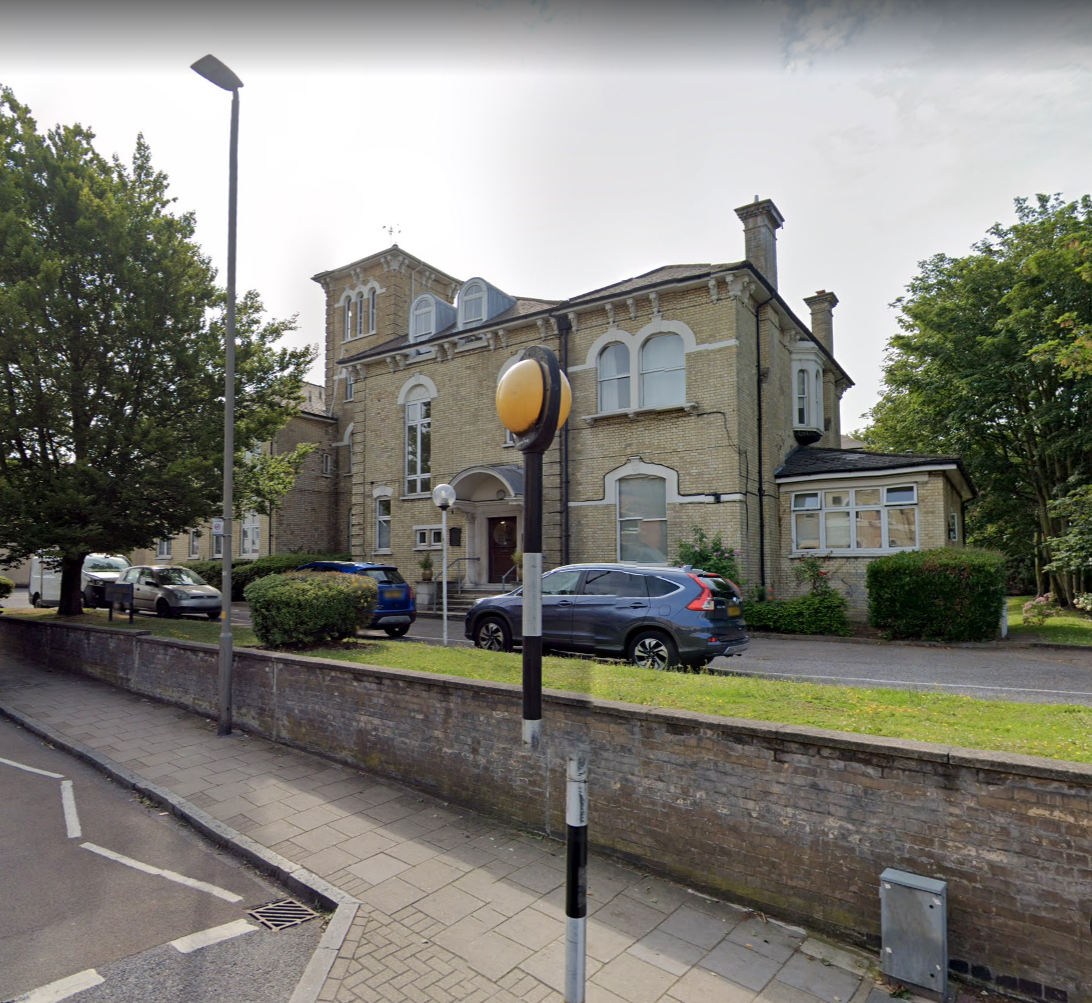
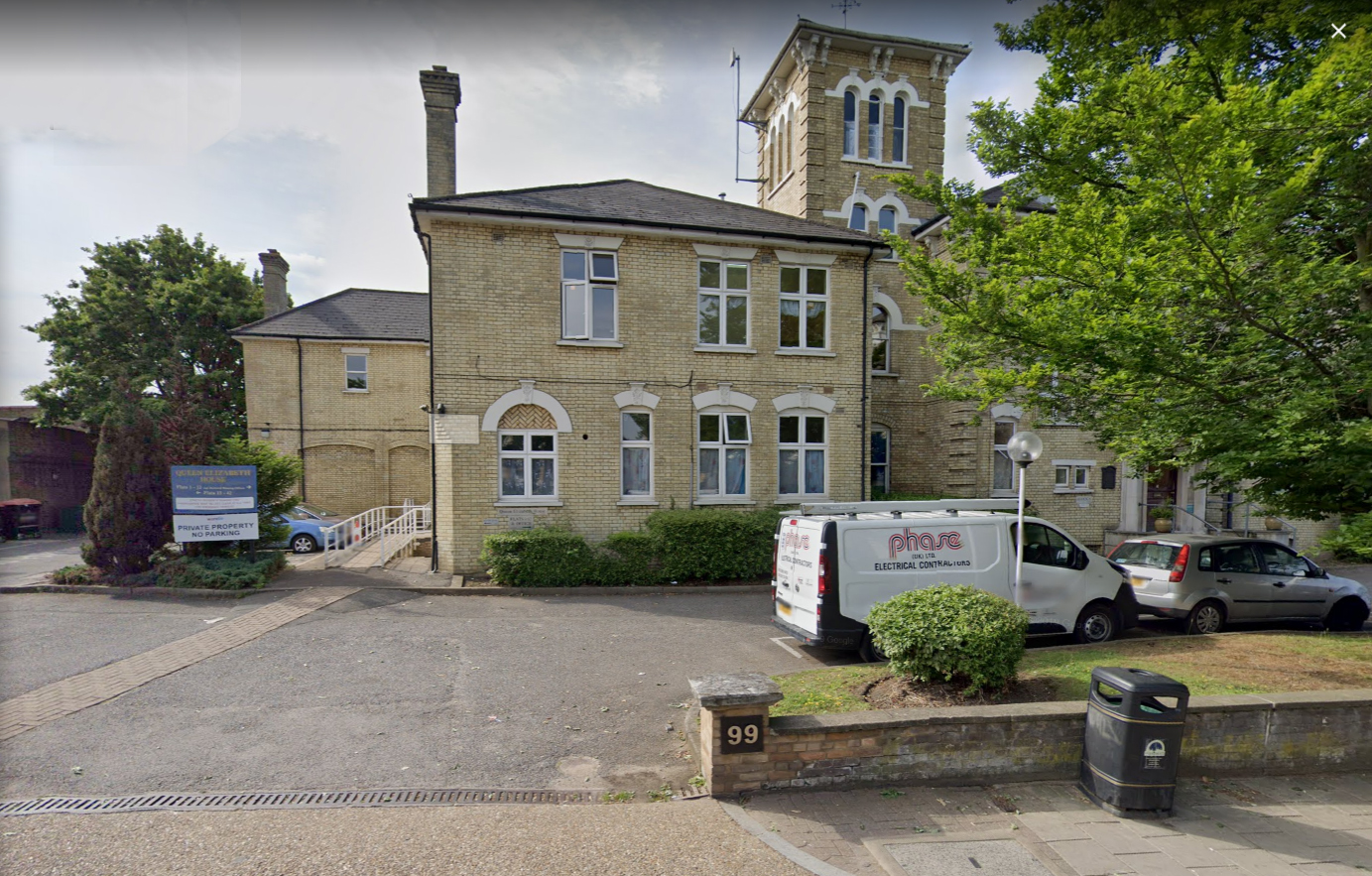
Charles Haddon Spurgeon's home, 99 Nightingale Lane - there is an LCC plaque is just to the left of the portico.
[When built? Is it really 1860s/1870s? Looks newer. Between the Nightingale pub on the left [built 1853] and Linden Lodge (date?) right.
(Click on image to enlarge)
Anti-slavery (hence incurred Southern baptist wrath). Frederick Douglass's friend B.M. Holmes visited him at home [date 1873] and wrote to Douglass very positively about Spurgeon and WC, the lead article on the front page the New Nation [date]. [ADD INFO etc]. There is talk of singing and Spurgeon's gift for thei University Library - where?
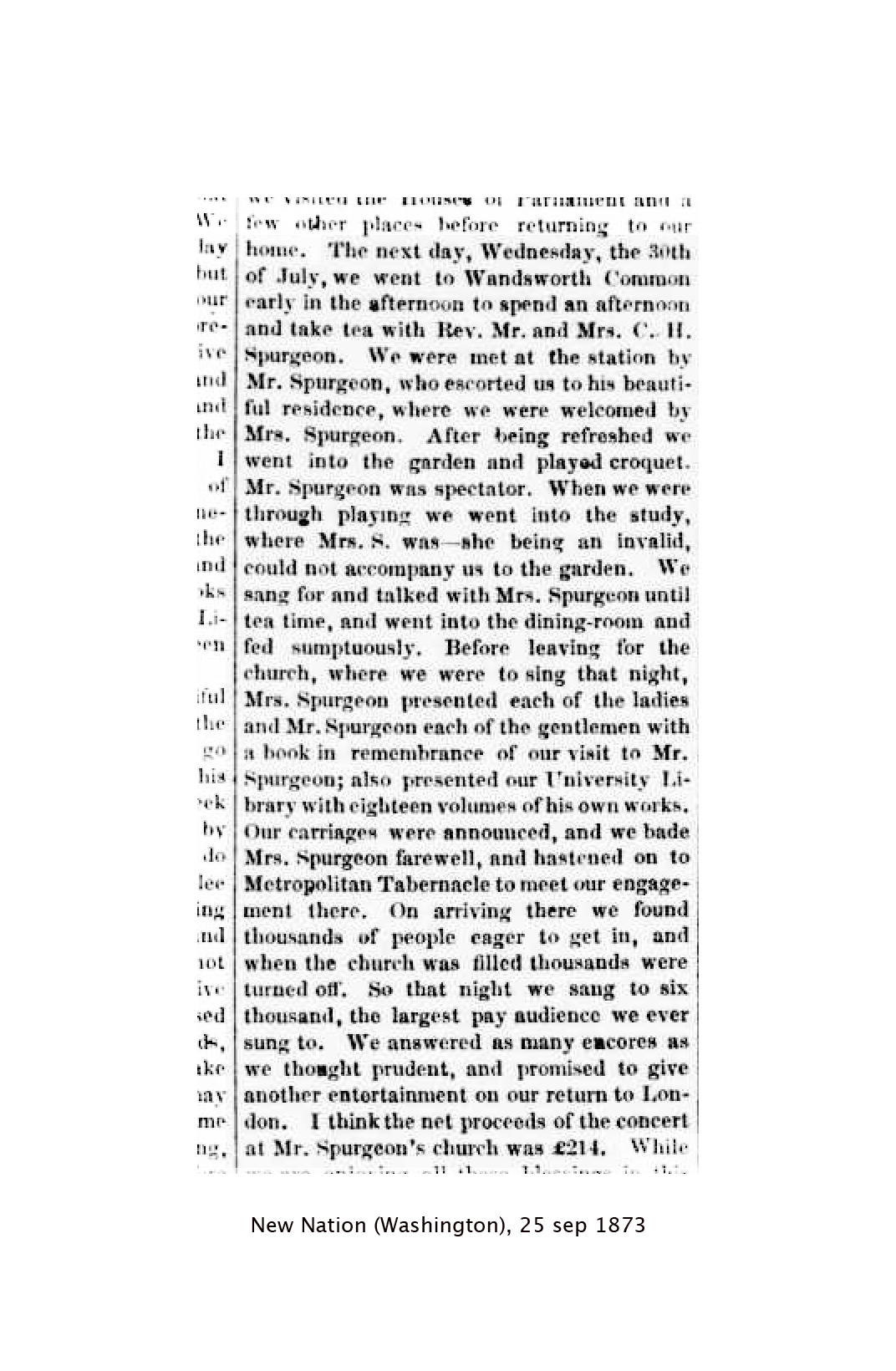
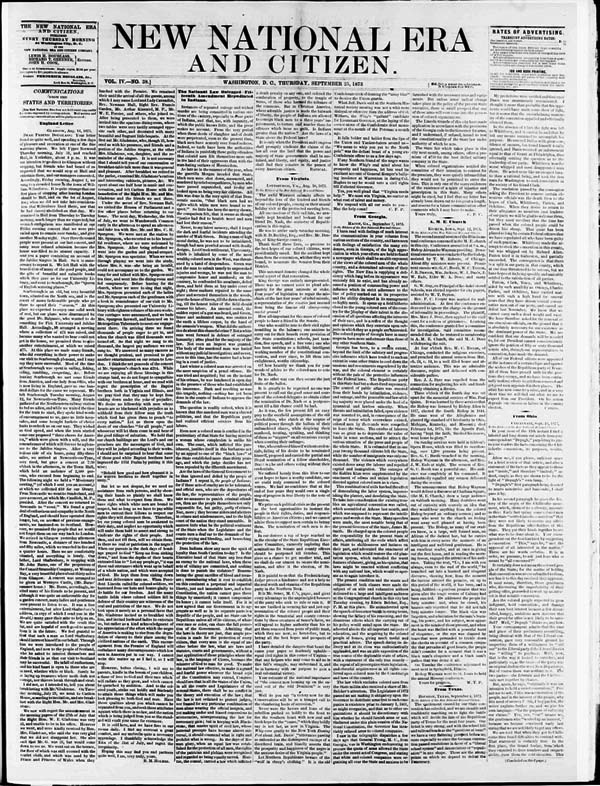
Which church did they worship/sing at that day? It sounds as though it must have been local.
Some? all? local baptist congregations (e.g. Northcote Rd) seem to have originated in open-air meetings on the Common - the "opposition" they met encouraged them to build their own. Are there any reports of these meetings on the Common?
Interesting to map these churches around the edge of the Common.
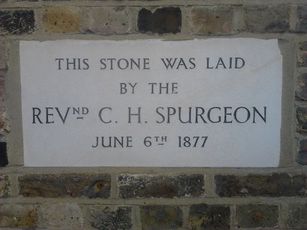
CHS laid the foundation stone(s) of churches and/or preached locally - and at Crystal Palace. [ADD PICS]
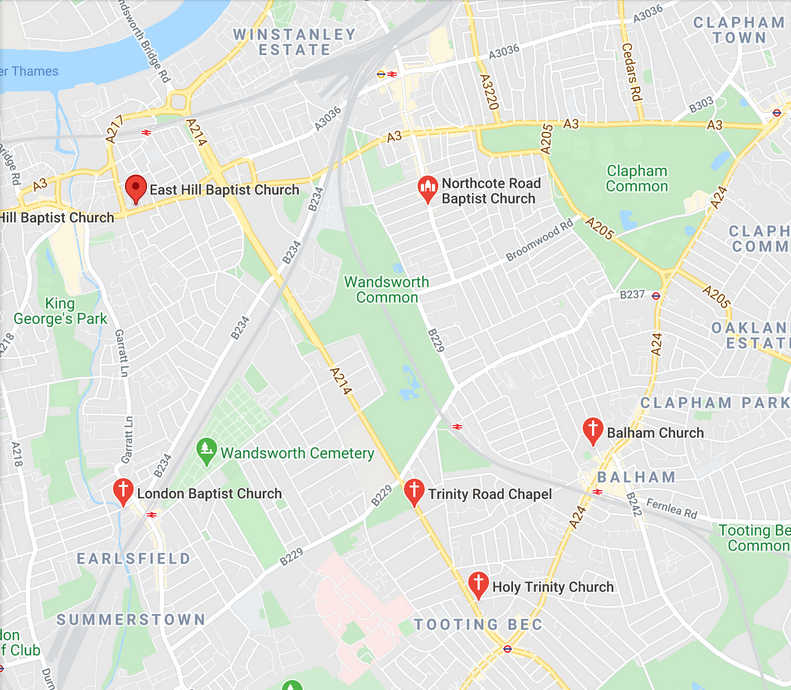
- Northcote Road Baptist Church (1875): "We trace our history back to 1865 when a Mr Rides, a local farmer started open air meetings on Wandsworth Common. Due to oposition, he moved the meetings to his home but before long it was obviouse that a purpose built chapel was required. In 1875 a new chapel was opened in the eastern arm of Chatham Road, at a cost of £1,000. It was opened by Rev C H Spurgeon and his two sons helped to run the church for a while." [Source: Link.]
[ADD PIC of Spurgeon foundation stone]
(Click on image to enlarge)
(Click on image to enlarge)
Wikipedia: Charles Haddon Spurgeon
Charles Haddon Spurgeon was an English Particular Baptist preacher. Spurgeon remains highly influential among Christians of various denominations, among whom he is known as the "Prince of Preachers". Wikipedia
Born: 19 June 1834, Kelvedon
Died: 31 January 1892, Menton, France
Full name: Charles Haddon Spurgeon
Buried: West Norwood Cemetery and Crematorium, London
[Wikipedia: Link.]
Survey of London / English Heritage 2013
...was characterized by substantial houses in generous grounds - a direct result of the estate owners' strict leasing and selling policy, which prescribed only detached or semi-detached houses and stables.53 Despite later infill and rebuilding, the area is still distinguished from its close neighbours by some unusually large properties.
In February 1866 the Old Park estate was purchased by J. J. Welch and H. P. Hughes, a City warehouse manager and wool-broker respectively, who within a month had mortgaged it to the auctioneers Debenham, Tewson & Farmer, and commissioned a simple street layout from the architects Wimble & Taylor. This comprised four new roads - Thurleigh, Sudbrooke, Westerdale (now Ramsden) and Winchelsea (now Rusham) - and a widened Nightingale Lane. That April, Welch and Hughes tried but failed to sell at auction the only real plum - the old house and its grounds - and so in 1868 agreed instead to its purchase by Edward Tewson, one of their mortgagees. Thereafter the mansion remained in separate ownership and was let to tenants for the remaining twenty-five years of its life.54
Welch and Hughes then began auctioning off freehold plots for house-building. This began in two phases in 1867 and 1869 with the sale of ground fronting Nightingale Lane - a main route where large mansions were already in existence on the opposite (Balham) side, where more were going up: such as Ferndale, of 1865 - 6, home of the sanitary-ware manufacturer George Jennings; and Helensburgh, built around 1864 by William Higgs for the Baptist preacher Charles Spurgeon, replacing an earlier house of the same name. Spurgeon had been drawn by the area's 'secludedness', but this was fast disappearing as builders continued to make inroads; adverts for the Old Park estate sales stressed the 'great demand' now for high-class housing 'in this favourite neighbourhood'.55
[Wikipedia: Charles Spurgeon.]
Brief Biography: Charles Haddon (CH) Spurgeon (19 June 1834 - 31 January 1892) was a British Particular Baptist preacher. Spurgeon remains highly influential among Christians of various denominations, among whom he is known as the "Prince of Preachers". He was a strong figure in the Reformed Baptist tradition, defending the Church in agreement with the 1689 London Baptist Confession of Faith understanding, and opposing the liberal and pragmatic theological tendencies in the Church of his day.
Spurgeon was the pastor of the congregation of the New Park Street Chapel (later the Metropolitan Tabernacle) in London for 38 years. He was part of several controversies with the Baptist Union of Great Britain and later he left the denomination over doctrinal convictions. In 1867, he started a charity organisation which is now called Spurgeon's and works globally. He also founded Spurgeon's College, which was named after him posthumously.
Spurgeon was a prolific author of many types of works including sermons, an autobiography, commentaries, books on prayer, devotionals, magazines, poetry, hymns and more. Many sermons were transcribed as he spoke and were translated into many languages during his lifetime. Spurgeon produced powerful sermons of penetrating thought and precise exposition. His oratory skills held his listeners spellbound in the Metropolitan Tabernacle and many Christians have discovered Spurgeon's messages to be among the best in Christian literature.
In 1854, the most famous of all the pastors at New Park Street started serving at the youthful age of 20. His name was Charles Haddon Spurgeon, and he quickly became the most popular British preacher of his day. The church soon became so full that services had to be held in hired halls such as the Surrey Music Hall.
During Spurgeon's ministry, it was decided that the church should be expanded to accommodate the overflowing crowds who sat in window sills and lined up outside. In 1856 the expansion removed the wall behind the pulpit and allowed for about 200 more seats. As this was still not enough room the elders decided to move permanently to a larger premises.
The location chosen was the Elephant & Castle, a very prominent location near the River Thames in South London, partly because it was thought to be the site of the burning of the Southwark Martyrs. The church was finished in 1861 and dedicated on March 18.
[Wikipedia: New Park Street Chapel, Southwark.]
[Wikipedia: Thomas Spurgeon (son).]
[Google Search: "Spurgeon Wandsworth Common": .]
[Blue Plaques Guy: Charls Haddon Spurgeon.]
[Source: British-History.]
On the western side of [Clapham] Common, in Nightingale Lane, a thoroughfare leading from Clapham to Wandsworth Common, lives the Rev. C. H. Spurgeon, of whom we have already spoken in our accounts of the Metropolitan Tabernacle and the Surrey Music Hall. (fn. 5) One of Mr. Spurgeon's first undertakings, on settling in London, was the Pastors' College. The work of the college was for many years carried on in the dark subterranean rooms under the Tabernacle; but in 1874 it was transferred to a more convenient, suitable, and commodious building at the rear of the Tabernacle, which had been erected and furnished at a cost of about £15,000. Here there is a fine hall, large class-rooms, a spacious library, and other conveniences. Of the work that has been done at the Pastors' College some idea may be formed from the following quotation of Mr. Spurgeon's account of the college, written in 1876: - "There are now 330 men proclaiming the Gospel in connection with the Baptist denomination who have been trained in the college, of whom two are in India, one in China, two in Spain, one in Rio Janeiro, one in St. Helena, one in Turk's Island, one in South Africa, six in Australia, twenty-three in the United States, and ten in the Canadian Dominion."
Our History [NB this is Northcote Road...]
[PB: I have corrected some of the spelling and tweaked some of the punctuation. But not all. It would be good to know more about the local farmer Mr Rides and the nature of the opposition to open-air meetings on Wandsworth Common.]
We trace our history back to 1865 when a Mr Rides, a local farmer, started open air meetings on Wandsworth Common. Due to opposition, he moved the meetings to his home but before long it was obvious that a purpose-built chapel was required. In 1875 a new chapel was opened in the eastern arm of Chatham Road, at a cost of £1,000. It was opened by Rev C H Spurgeon, and his two sons helped to run the church for a while.
The first pastor, Rev A A Harmer was appointed in 1877. The first deacons and elders were appointed in 1881 by the next pastor, Rev Mummery and a democratic leadership was introduced. Rev C E Stone was appointed Pastor in 1883 and due to increase in membership, the church found it needed larger premises. A vacant site on the corner of the new Wakehurst Road and Northcote Road had a sign erected saying "Site for new pub". The church saw this as a challenge and after much local oposition, the sign was eventually changed to "Site for new chapel".
The new church was complete in 1888 for approximately £3,000, much of that donated by the generous benevolence of a Miss Bell of Tooting. The architect was E W Mountford who was also architect for Lavender Hill Library, Battersea Town Hall (Arts Centre) and the Old Bailey central Criminal Courts. C H Spurgeon preached at the opening service and the Foundation Stone contains the foundation trowel, newspapers of the time and accounts of Queen Victoria's Jubilee celebrations. Considerable increase in children attending, a new Sunday School hall was built next door at 53 Wakehurst Road which also contained a caretaker's flat. Again, financed by Miss Bell. At the time, it was a state of the art building.
The two World Wars were trying times for the church and fr most, it was run by the women of the church while the men served in the armed services. In World War 2 an unexplded bomb crashed through the roof and landed where the piano and organ are currently located. The building was only saved because fire watchers slept on the premises overnight and were vigilent.
After the 2nd World War, the men returned and the church again started to flourish with Boys' Brigade, Girls' Brigade and Christian Endeavour. Rev A S Bell arrived after the war and in 1948 the building celebrated its Diamond Jubilee. At the end of the 1950s the church was thoroughly redecorated and refurbished and a new Communion table and chairs d were donated by The Boys' Brigade, the inscription on the table reading "Do this in remembrance of me". After Mr Bell left. Rev A Price took over the reins, who had a great burden for mission, and for Welsh hymns. In 1967 Rev Leslie Gregory arrived and soon after suffered a heart attack, rendering him incapable of work for some time. During this time the church steeple was condsidered a danger and taken down on the orders of the Fire Brigade. Malcolm Love became pastor in 1979 and the current manse in Alfriston Road was purchased. |Also during this time the church purchased 102a Northcote Road to house our Youth Ministers. Andy Pilcher joined the team as Youth Pastor and took up residence at 102a. The old pipe organ was by now a considerable burden and a decision was made to purchase a new electronic organ at a cost of £2,900 which is still currently serving the church. Rev David Austin arrived in 1989. Times were changing and the Boys' and Girl's Brigade and Christian Endeavour were closed. While we were considering the renovation of the crumbling Lecture Hall, we were approached by a Christian School, Dolphin School to move into lower hall. The Wakehurst Playgroup had taken residence in the Lecture Hall. Soon after the arrival of our current Pastor, Nick Morris it was clear that Dolphin School were fast expanding and needed more space. Agreement was reached for the Lecture Hall to be completely redeveloped, complete with a second floor, with Dolphin finance and the school currently occupy the builling during the week. A strong link has been forged with Dolphin and we also have links with the Games Maker Choir which was founded after the London Olympics. We are now a small but strong fellowship and firmly believe that God has a plan for us for the future. We continue to seek His will as we go forward in His Name.
Les Rees-Partridge
[VictorianWeb: Charles Haddon Spurgeon - some interesting-looking material.]