Last modified: 3 October 2026
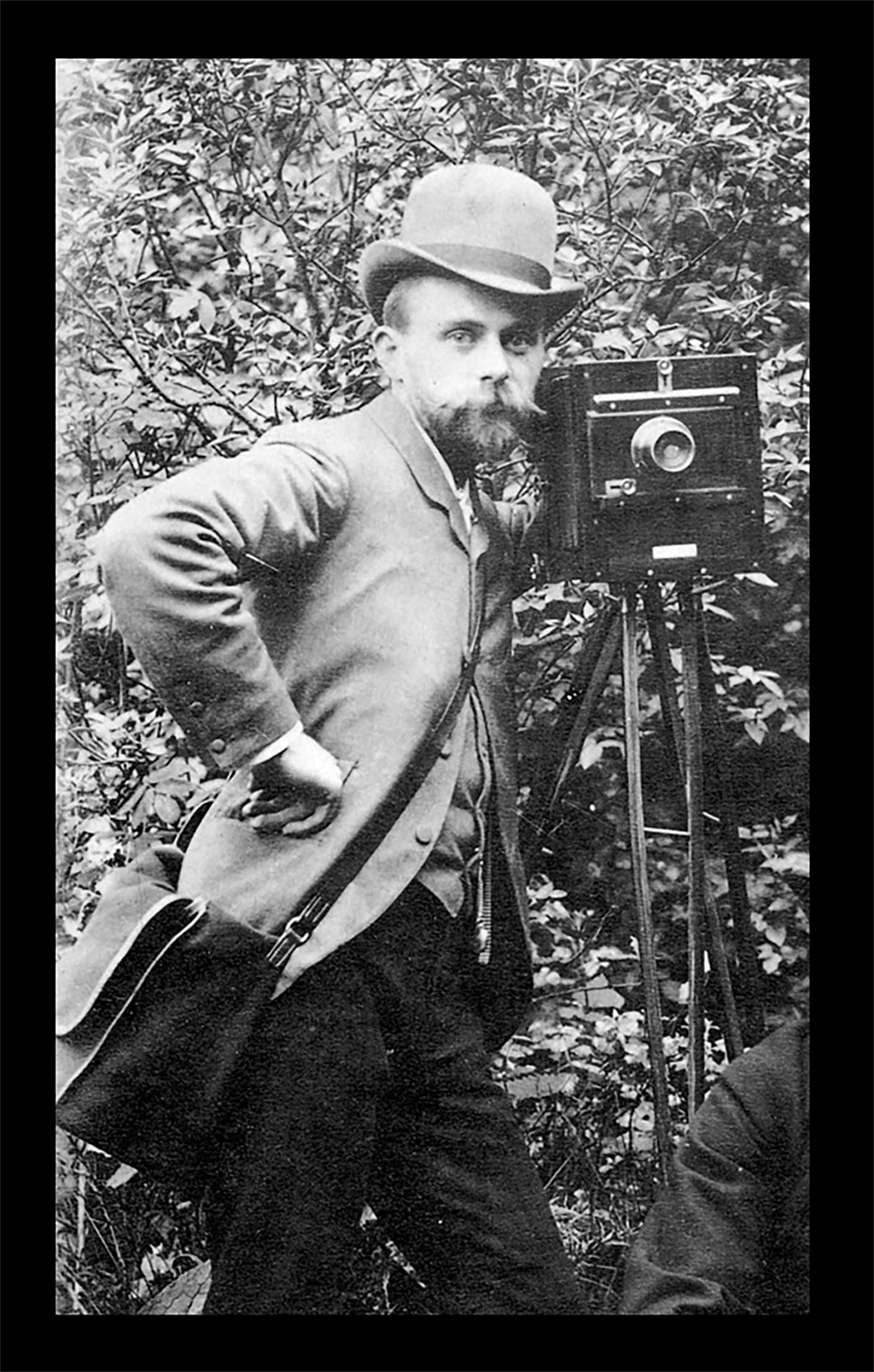
Paul Martin, pioneer of street and night photography| Photo: Stephen Midlane
At 2 p.m. on Friday, 7 November 2025, a plaque was unveiled to the pioneering photographer Paul Martin, and the studio he shared with Harry Dorrett.
Well, not actually "unveiled". The plaque had to be set quite high and few people would have risked going up a ladder, so we all stood around during a count-down to 2 p.m. and applauded at the right moment. The event was part of the Wandsworth Borough of Culture 2025, and was impeccably organised by Emma Anthony from the Heritage Library at Battersea and Stephe Midlane of the Friends of Wandsworth Common. There were speeches from the Mayor and others (including me). Great fun.
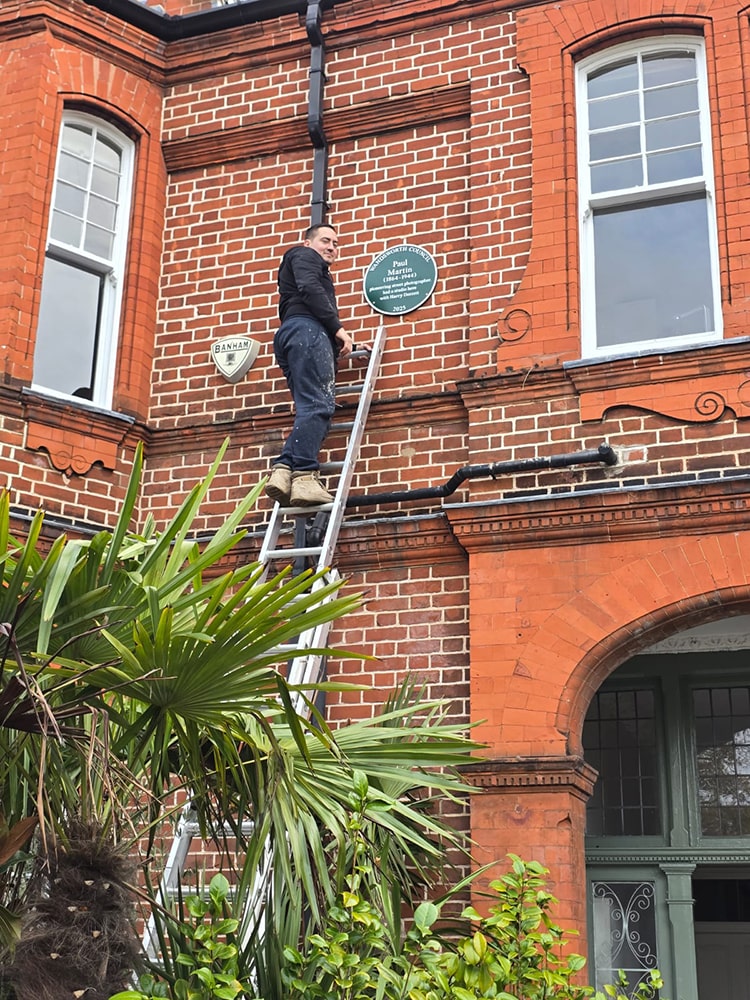
You can read William Garforth's fascinating talk here. William has lived in this house for 47 years.
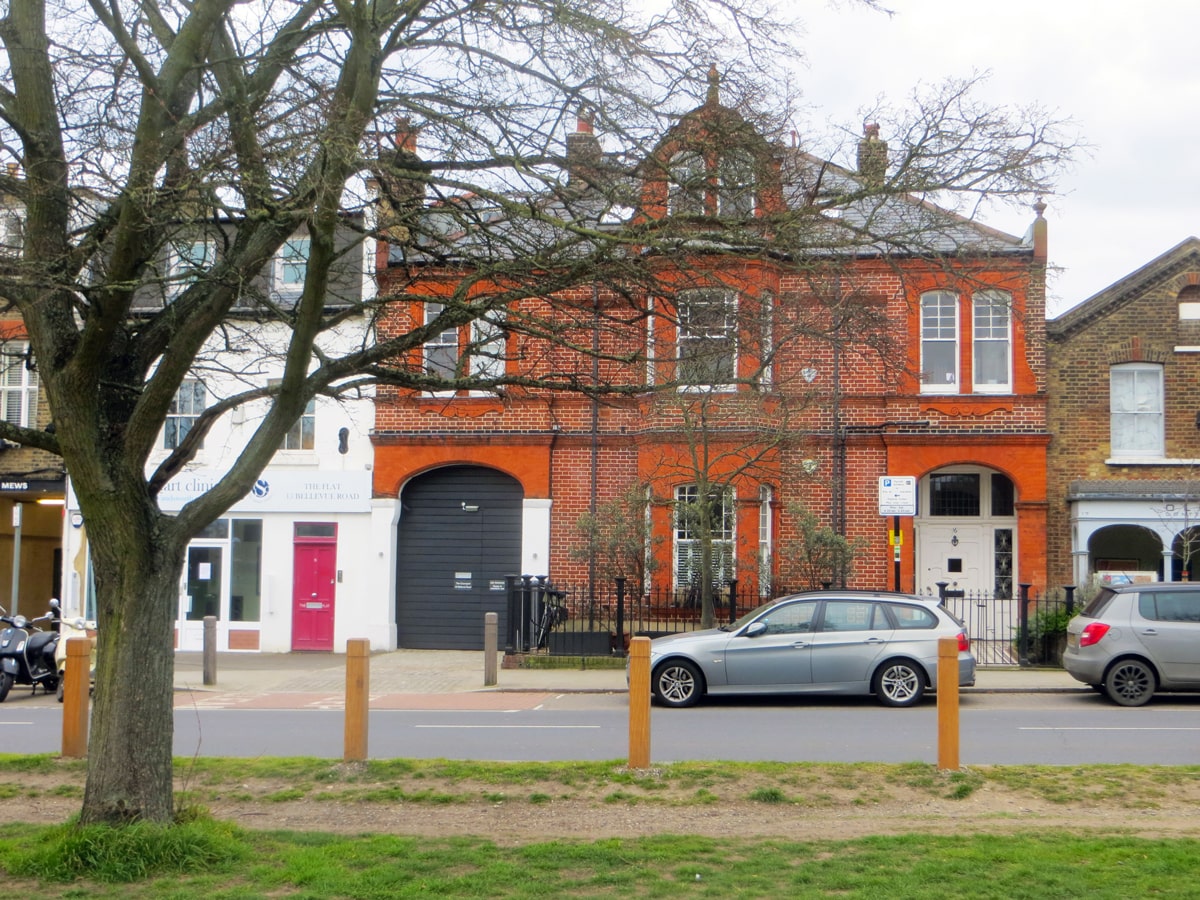
Athol House, 16 Bellevue Road. This was Dorrett & Martin's studio for more tha thirty years from 1899.
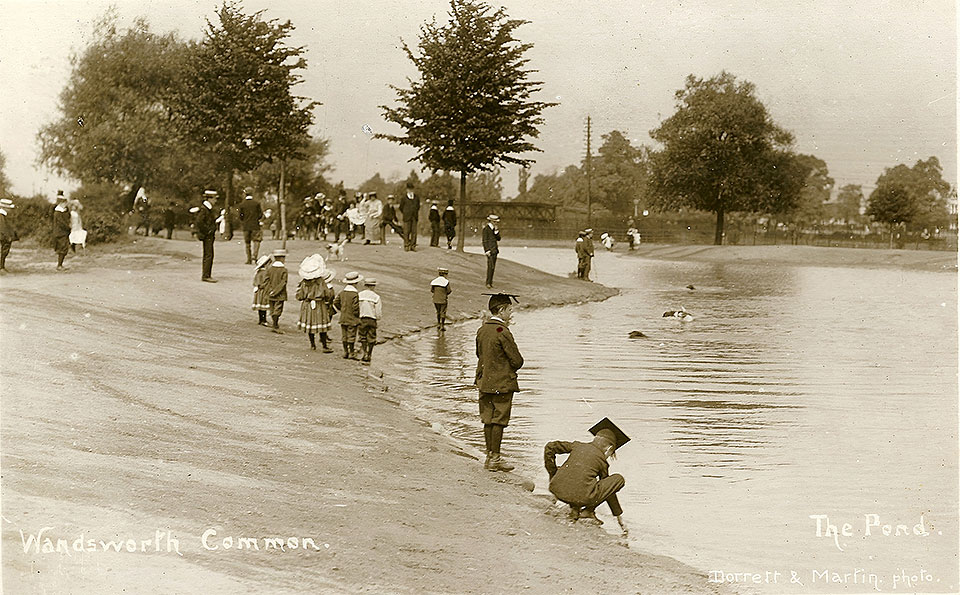
And here's another:
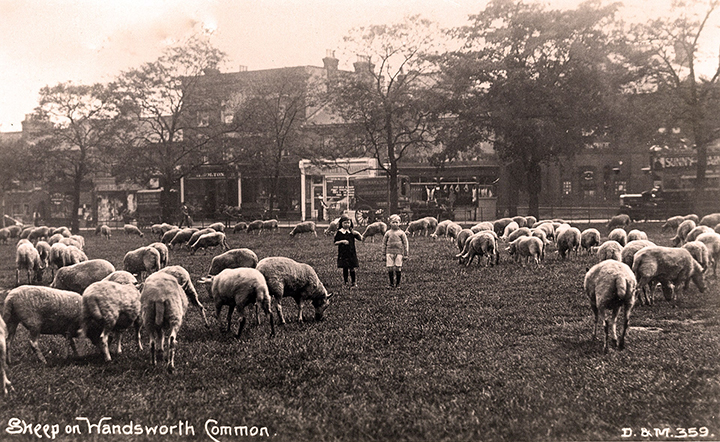
In October 2023, Chris Allies and I spoke to the Friends of Wandsworth Common about Paul Martin and Harry Dorrett as "Pioneers of Photography on and around Wandsworth Common").
Chris started the talk off with an outline of Paul Martin's childhood, his early life in Paris and Battersea, and his career as a wood-engraver. He went to discuss Paul as an immensely creative photographer. I then took over with an account of his and Harry's photographs of Wandsworth Common — which are remarkable, as I'm sure you'll agree.
01
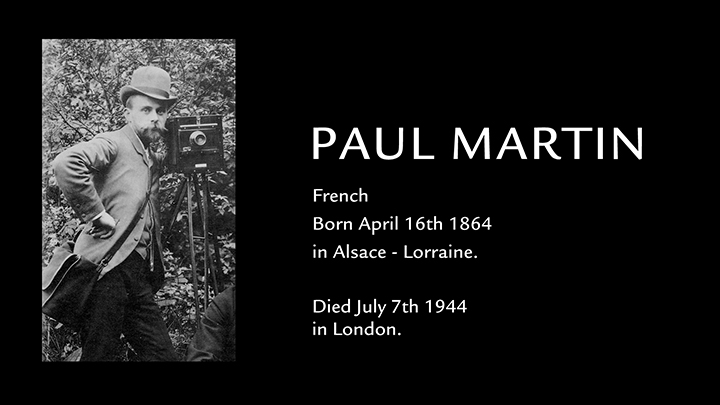
Now, "Paul Martin" — it sounds like quite an ordinary English name, doesn't it? You might even think of the TV presenter from Flog It! But the Paul Martin I'm talking about was actually French — Paul Auguste Martin, born in 1864 in Alsace-Lorraine.
His family had a small farm. His father also owned a vineyard and a mill, near the German border. Times were hard in that part of France, so the family decided their best chance was to move to Paris, where Paul's uncle was already working — making the bone stays used in corsets, which had become quite a thriving business. So Paul, his parents, and his sister all moved to Paris.
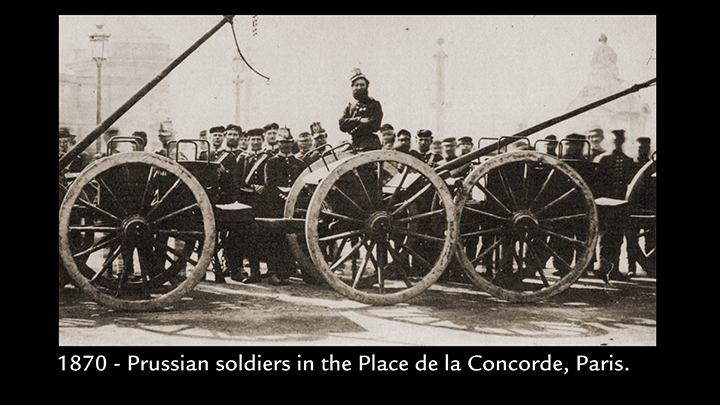
Unfortunately, their timing couldn't have been worse. Within a year, the Franco–Prussian War broke out. The war is little talked about now, but it was an extraordinary and terrible time. The Germans invaded Paris and laid siege to the city. Food ran out, bread was scarce, and many died.
1
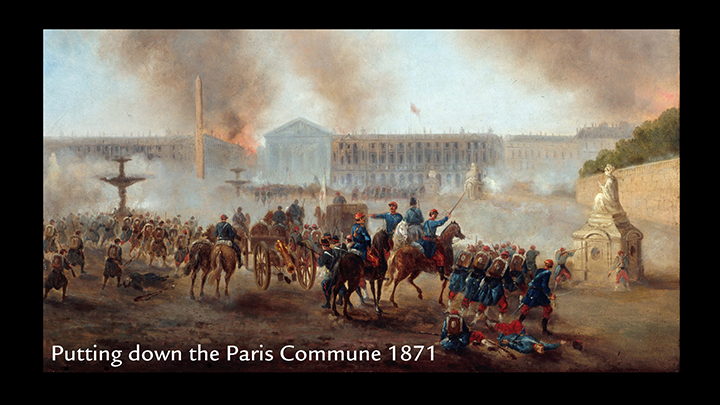
And when the Germans finally withdrew, socialist factions in Paris rose up against the French government and established the Commune.
2
The Commune of 1871 was, in effect, a second French Revolution: it was short-lived, but extremely violent. For the Martin family, it was one disaster after another. Paul's sister was killed during the fighting, probably by shellfire, and the family, traumatised, decided to leave France altogether. They came to London, and settled in Battersea. Although Paul travelled widely as a photographer he spent the rest of his life in Battersea or Balham.
Paul's family settled in Battersea, and he went to a local school there. [Can we find out which school?] Remarkably, he arrived speaking no English, but within two years he was top of his class. His parents, worried he might become too English, sent him back to France for two more years of schooling before he returned to London again.
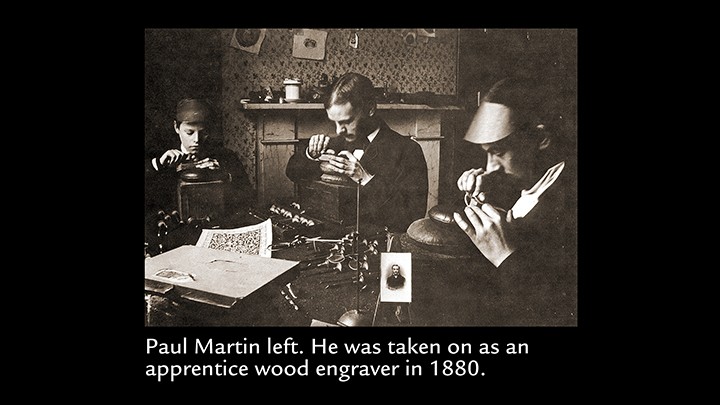
Here's an early photograph of Paul — he's on the left, seated. At that time, he was apprenticed as a wood engraver. The term "woodpeckers" was used for these young apprentices, who carved illustrations for books and magazines.
06
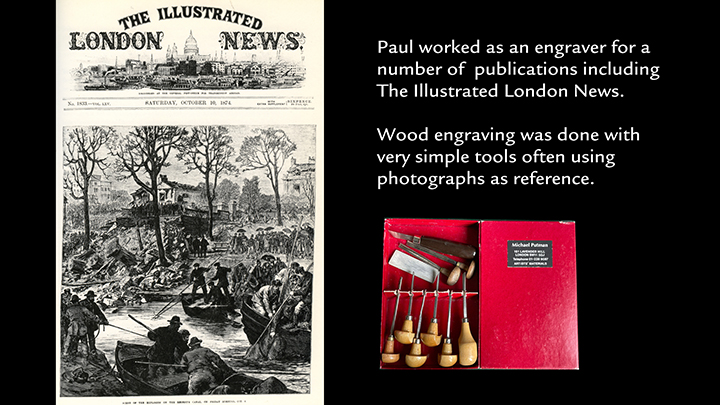
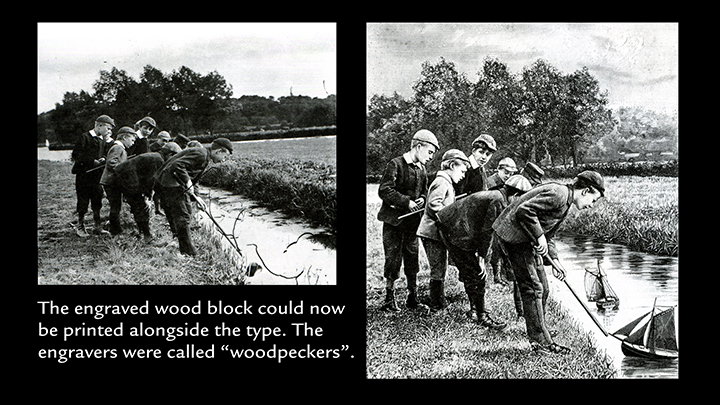
In those days, you couldn't print photographs directly in newspapers — the technology simply didn't exist. Instead, a photograph would be sent to an illustrator, who'd carve it into a wood block, which could then be printed.
08
Often, several people would work on the same engraving, and sometimes they'd make little artistic improvements — adding a boat here or a few figures there — to make the image more pleasing.
09
07
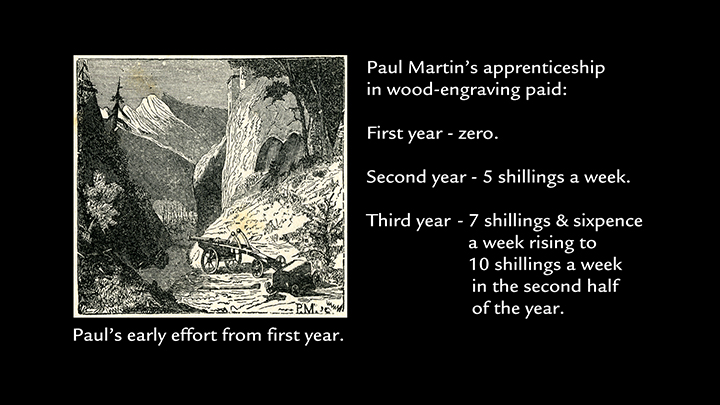
Paul's apprenticeship was unpaid at first, then he earned five shillings a week. But he was clearly talented and soon doing well. Through this work, he came into constant contact with photographs — and at some point, he thought, "I could take better ones myself."
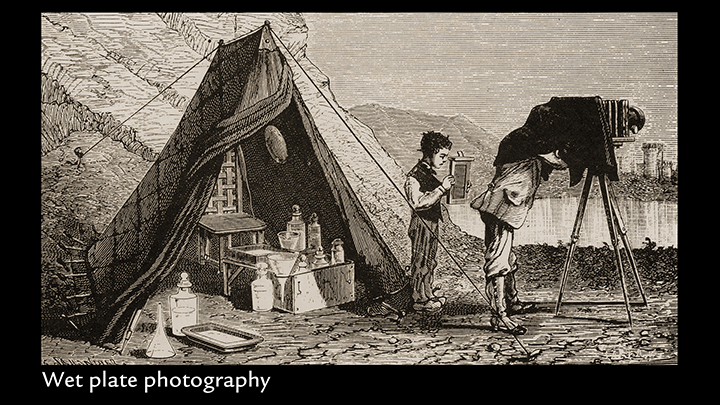
Photography in those days was a difficult and expensive business. You needed a lot of equipment, and you had to be fairly well-off to afford it. Many early photographers were clergymen or gentlemen with leisure and means to pursue it as a hobby.
04
But the technology gradually changed. It became more affordable, and more transportable.
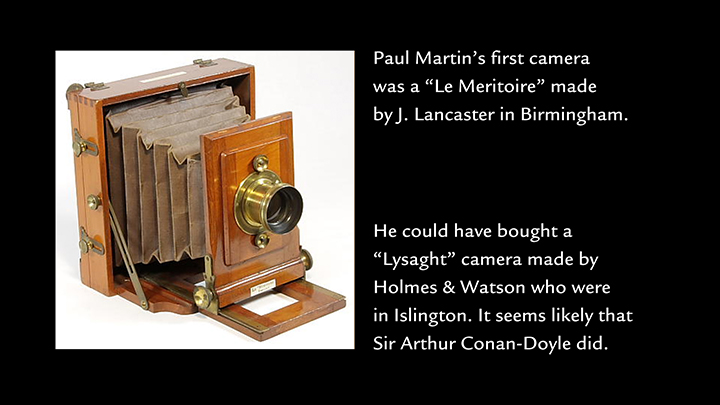
Paul saved up and bought his own wooden camera.
10
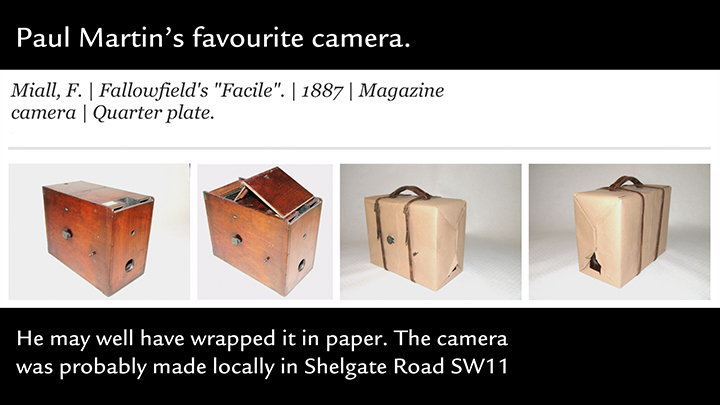
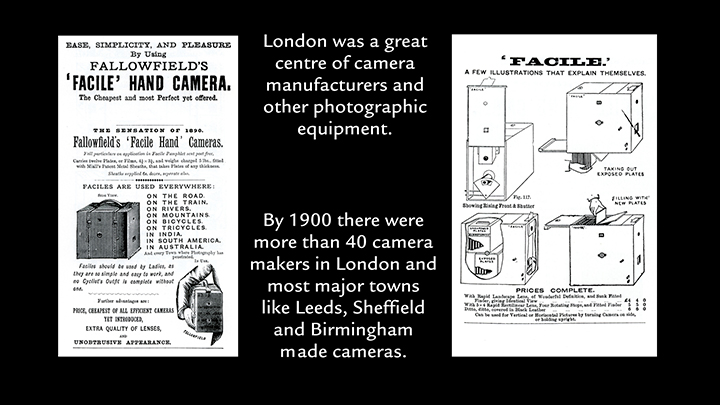
London at that time had dozens of small camera-makers — perhaps forty or fifty. One of the best known was Fallowfield, whose quarter-plate camera Martin favoured. These were sometimes marketed as "spy cameras" — compact, discreet, and easy to carry.
11
12
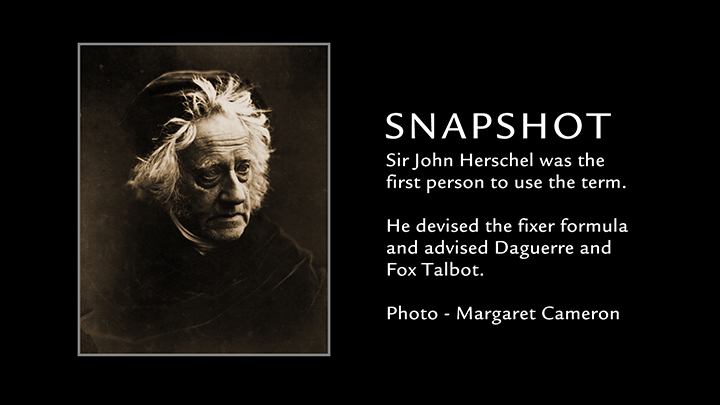
The term "snapshot" was first used around this time by the prodigious mathematician, astronomer, botanist, chemist, inventor and experimental photographer Sir John Herschel. The idea fascinated Paul Martin: capturing a fleeting moment in time. Long before Cartier-Bresson spoke of "the decisive moment," Martin was already pursuing it — photographing life as it happened, rather than posing people.
13
The increased availability of cameras from about 1880 onwards allowed photography to become all the rage, with a potential for formulaic images, sentimentality and intrusiveness.
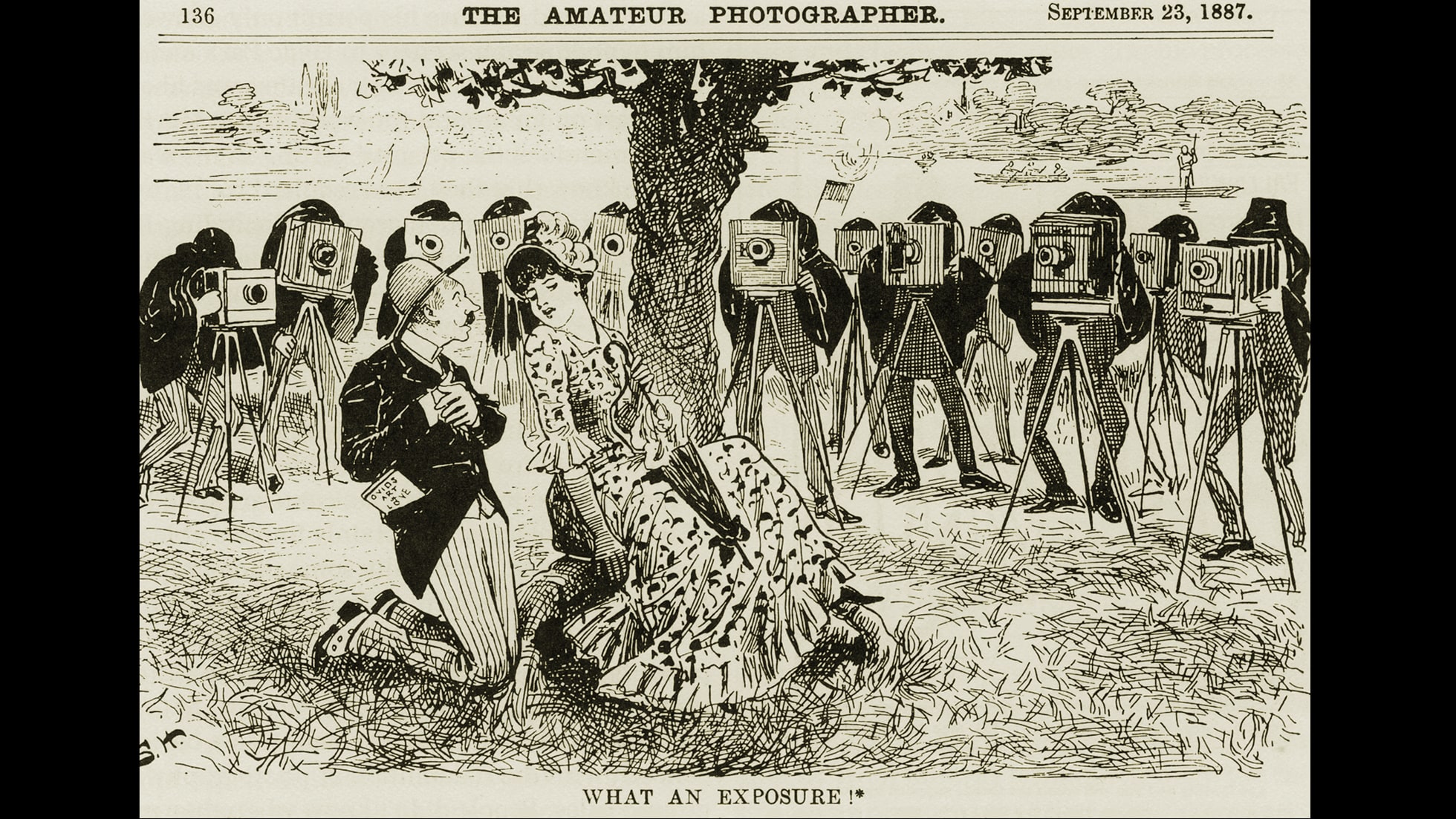
What an exposure
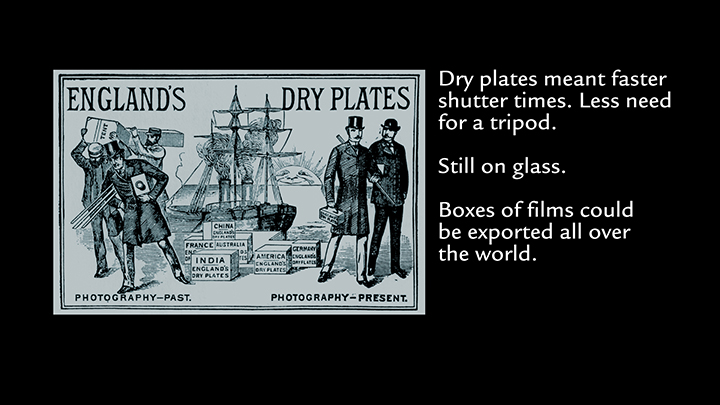
Photography was becoming easier thanks to dry plates. Before that, photographers used wet plates — glass coated with emulsion while still wet, which had to be exposed and developed immediately. It was messy, fiddly, and impractical. Dry plates, which came ready-made and could be stored, opened up photography to many more people.
14
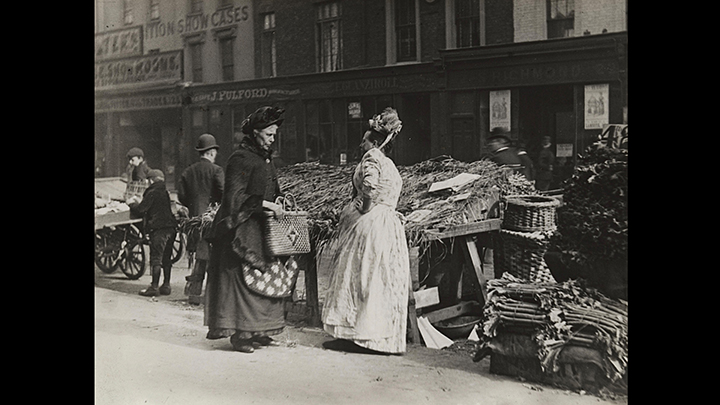
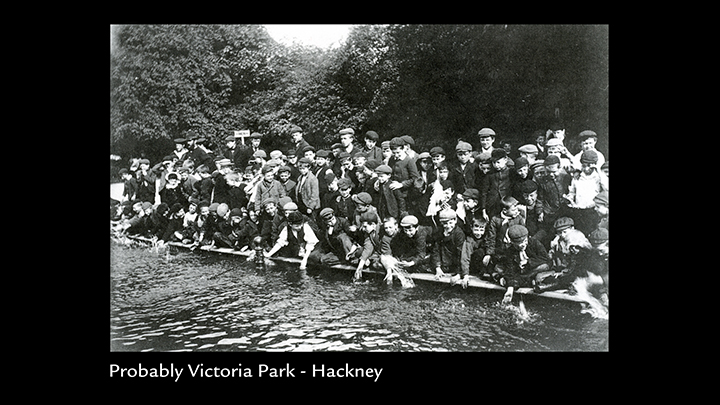
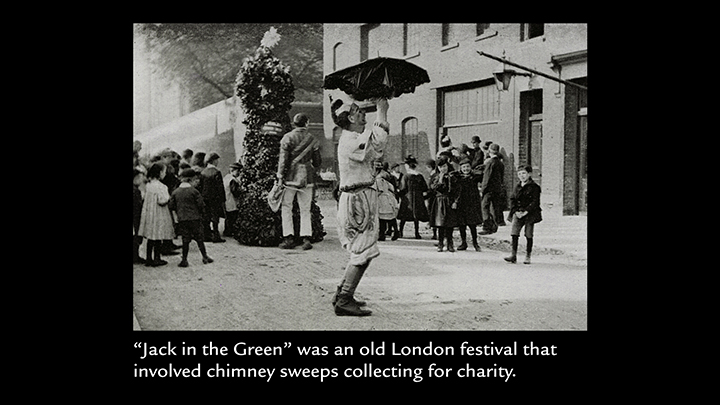
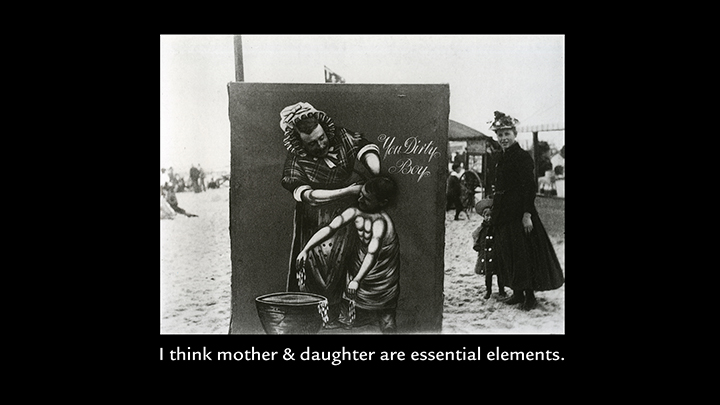
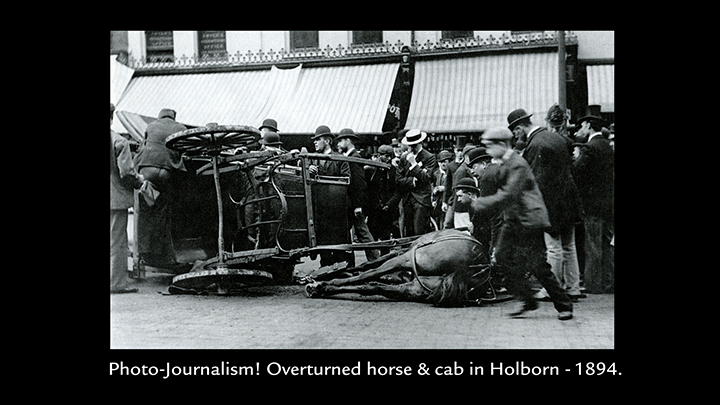
Martin took full advantage of these developments. He wandered the streets and markets of London, photographing everyday life — people shopping, children playing, flower sellers, knife grinders, street traders. Very few were posed. He loved catching people unaware, going about their lives.
21
Eventually, Paul began selling his photographs to newspapers, earning a living that way. By then, wood engraving had been rendered obsolete.
He also became involved with the Linked Ring Brotherhood, a group of photographers who wanted to raise photography to the level of fine art. Their pictures were often soft-focused or tinted to resemble paintings. Paul exhibited with them, though he wasn't much taken with that style. He preferred realism — spontaneous, everyday scenes.
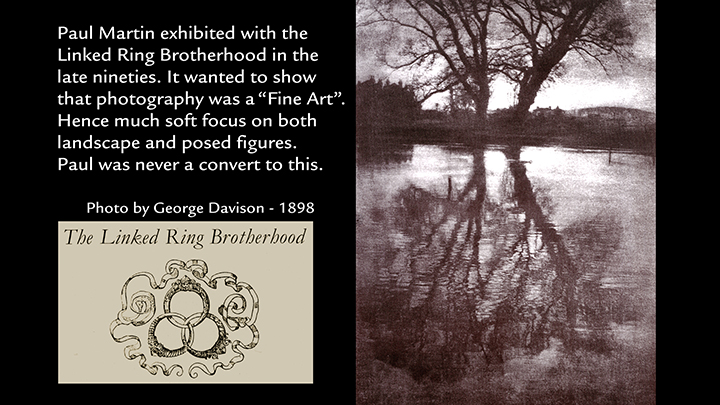
25
Through his friend George Davison, Paul helped found the West Surrey Amateur Photography Society. Davison later worked with George Eastman, founder of Kodak, to establish Kodak in Britain. Davison even got Martin to test some early Kodak cameras, though Martin wasn't entirely convinced. He preferred his old equipment — more control, he said.
Still, Kodak's model — selling cameras preloaded with film, processing the pictures, and returning both prints and a reloaded camera — was revolutionary.
Paul Martin's photographs of street life — and especially of ordinary people at work or play — are still admired for their warmth and immediacy.
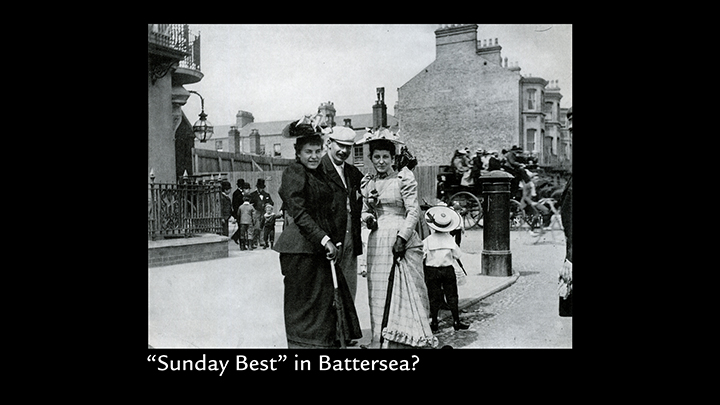
15
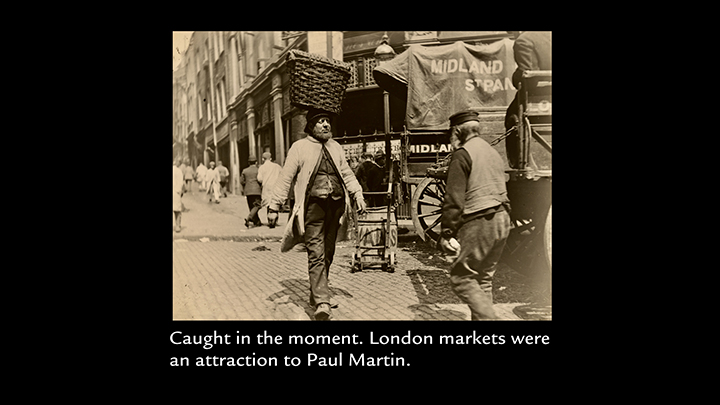
16
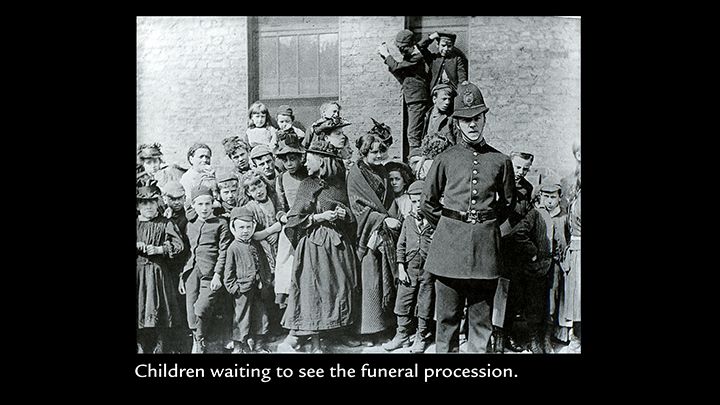
17
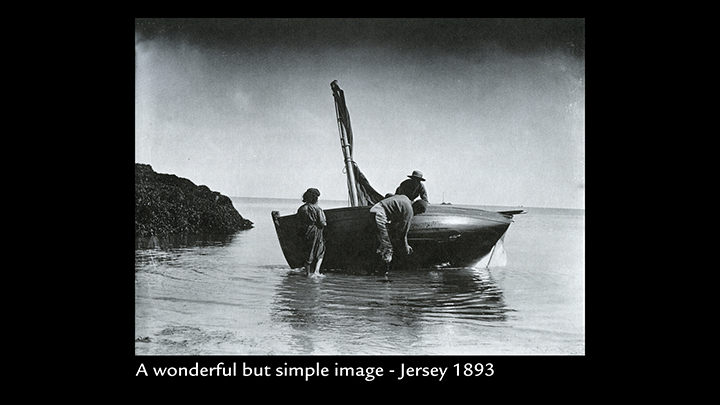
18
He even used a small tent as a portable darkroom, especially when photographing along the river — which he clearly loved.
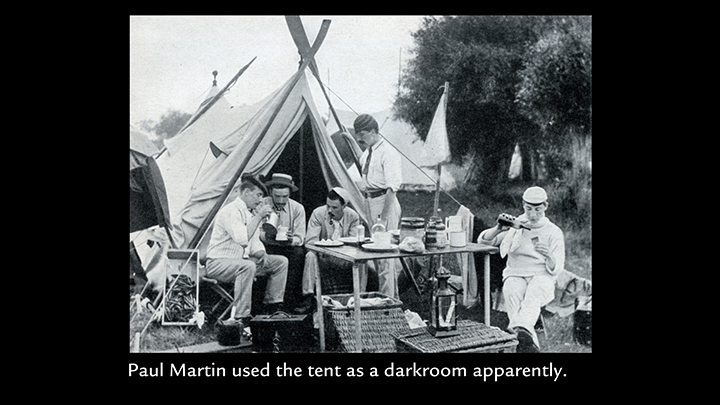
19
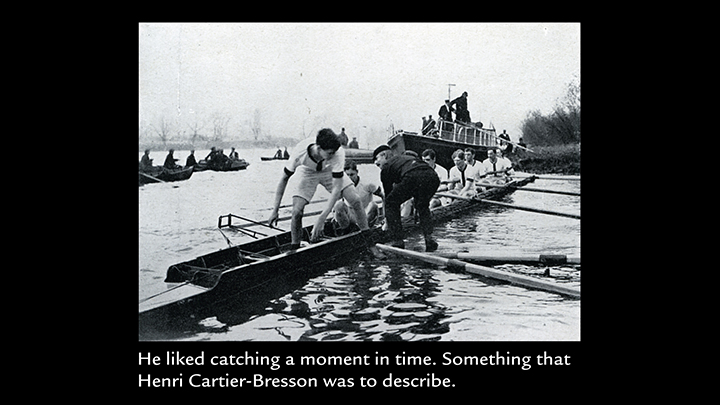
30
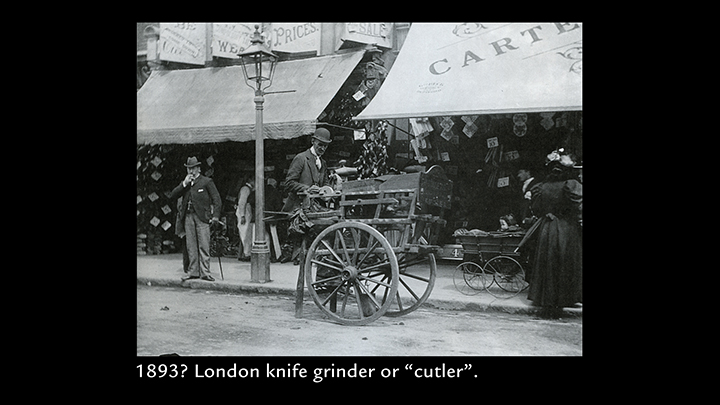
20
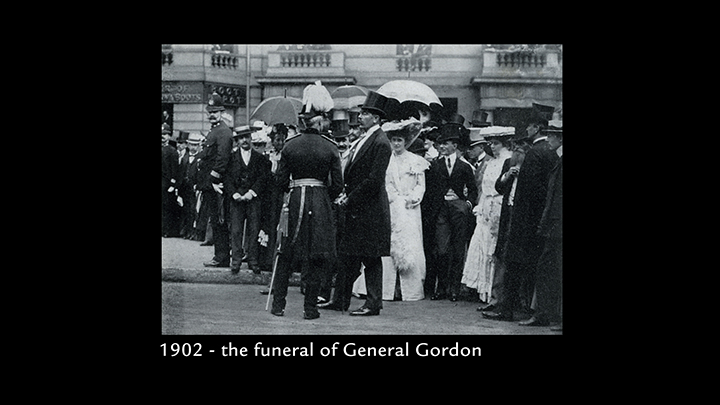
22
[Er, as the ever-vigilant David Ainsworth points out, this can't be Gordon's funeral, since he died at Khartoum in 1885. For a full account of his life and death, see here. And the clothing suggests something much jollier. Thanks, David!]
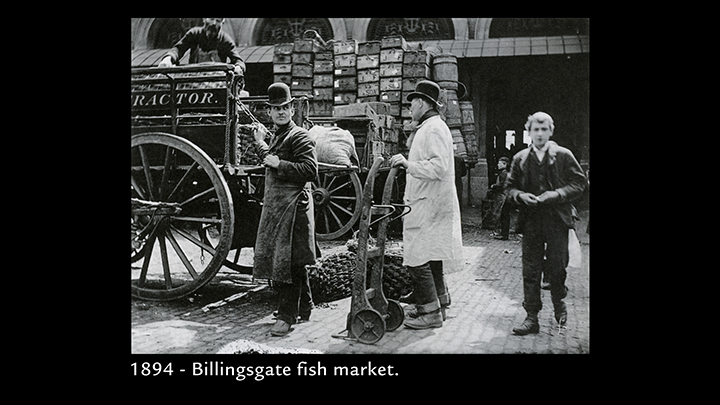
23
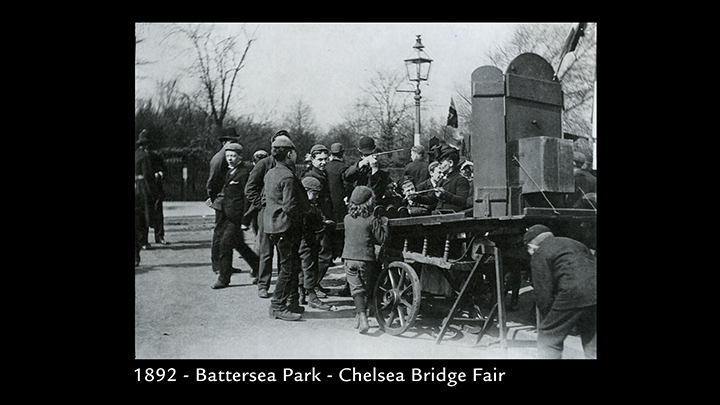
24
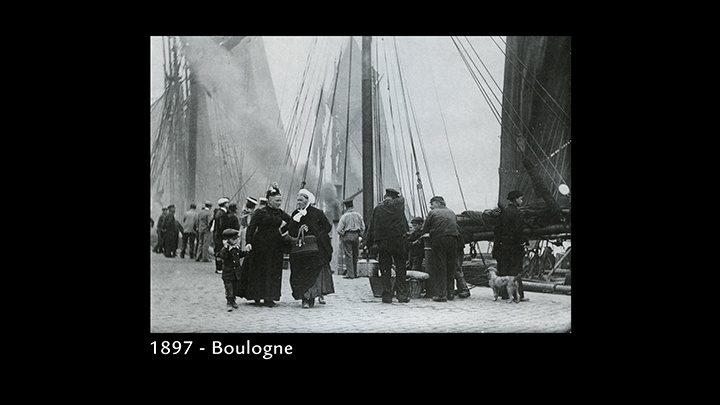
26
27
31
32
33
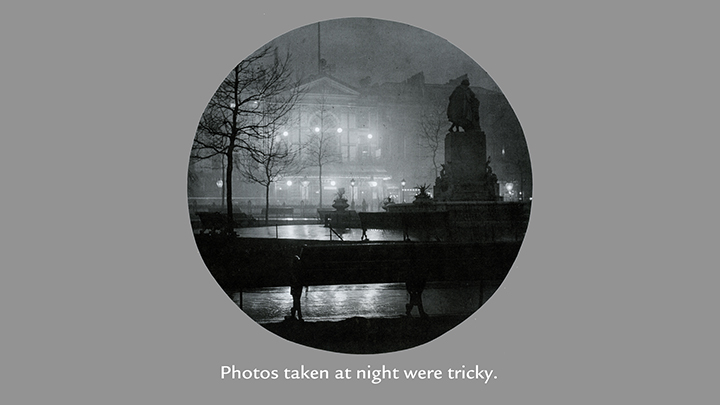
He also experimented with night photography, an extremely difficult technique at the time. He managed long exposures with surprising clarity, even capturing moving figures and cab lights with creative precision.
34
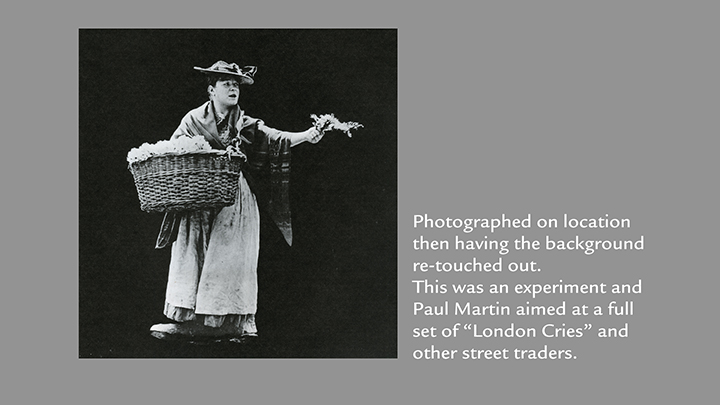
He later produced a series called London Cries, isolating figures from their backgrounds — a painstaking manual process done long before Photoshop!
35
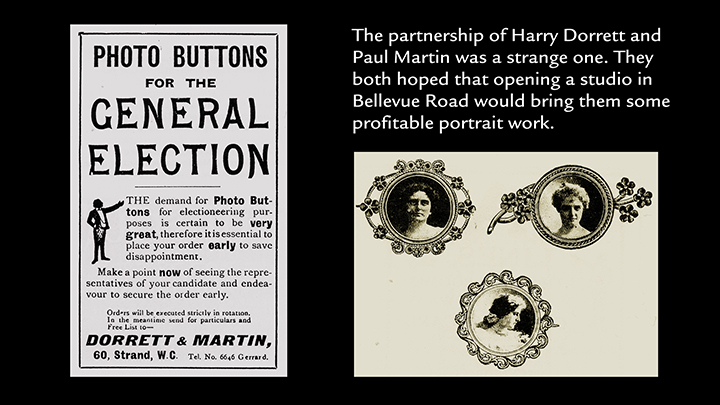
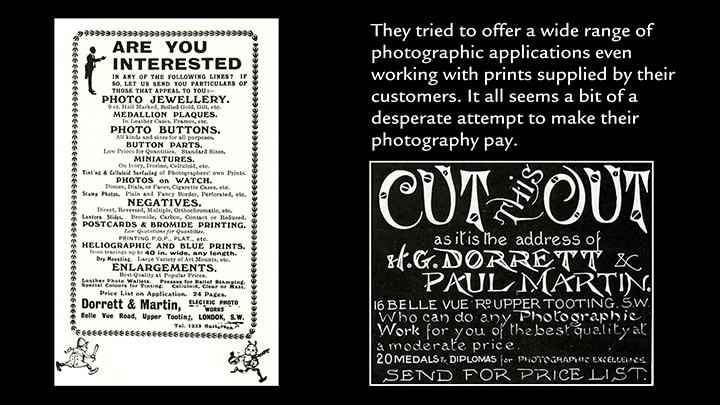
In the 1890s, Martin went into partnership with Harry Dorrett, setting up a studio on Bellevue Road (which Philip will talk about shortly). They tried all sorts of ventures to make photography pay: photo buttons, medallions, miniatures — anything that might catch on.
28
29
The photographer Cecil Beaton once said of Paul that he was the "Charles Dickens of the Lens", with "an unerring eye for the poetry of the ordinary."
Paul Martin remained in Britain all his life but kept his French nationality. He died in 1944, in Hosack Road, just a short walk from his former studio on Bellevue Road.
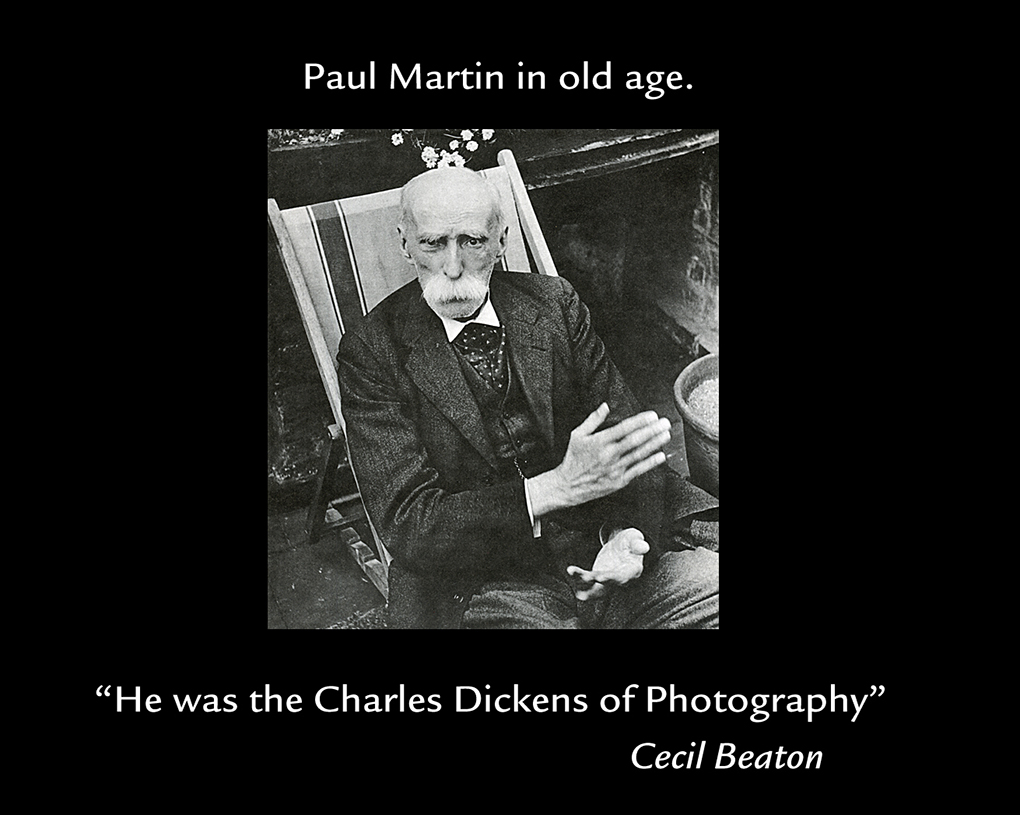
Paul Martin in his garden at 55 Hosack Road, shortly before his death in 1944. Photograph by Kurt Hutton
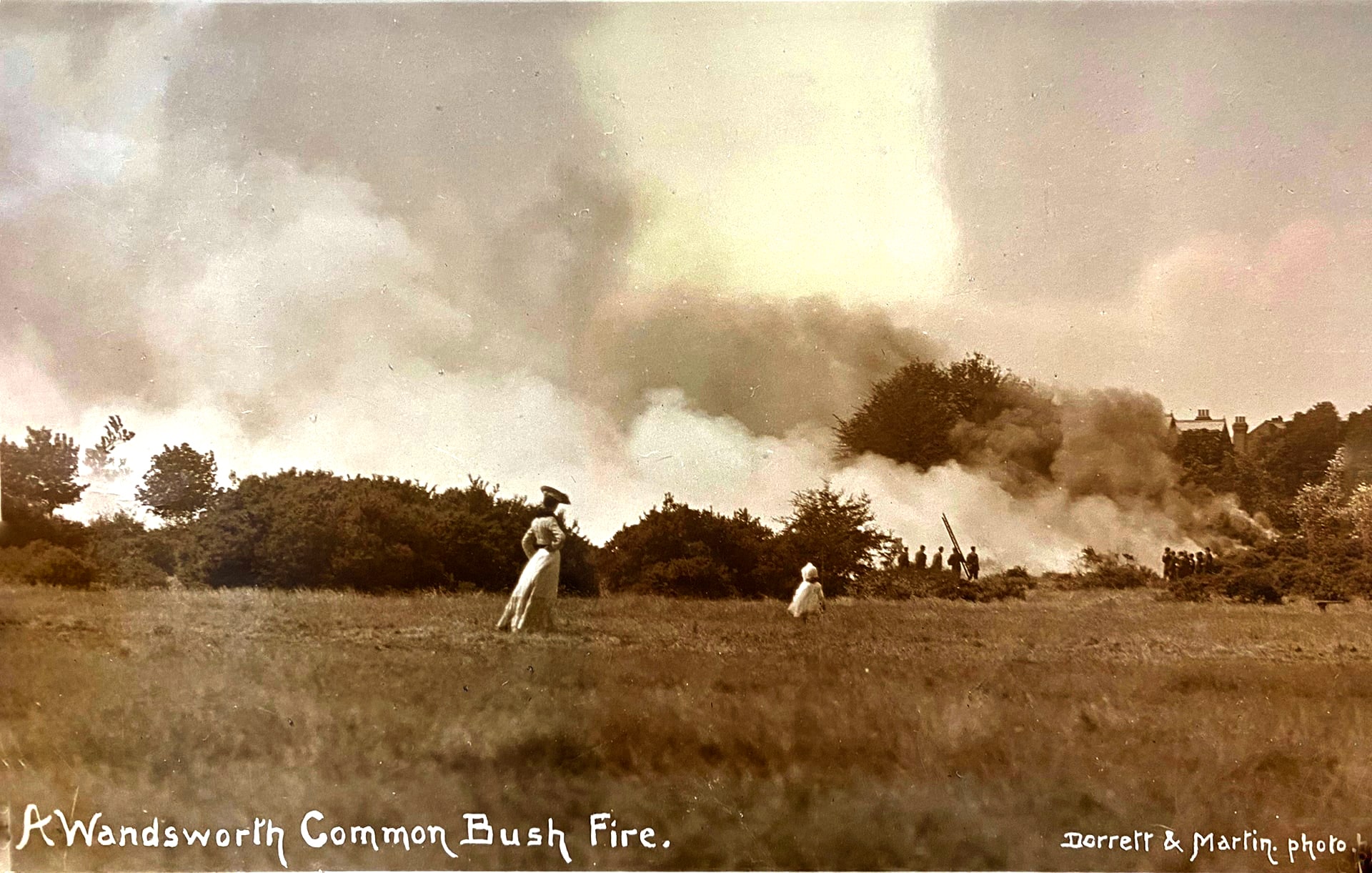
"A Wandsworth Common Bush Fire"
SO many more stories still to tell. But that's all for now, folks.
Send me an email if you enjoyed this post / want to comment on something you've seen on the site / would like to know more — or just want to be kept in touch.
If you would like to receive notifications of new Chronicles, let me know . . .
Philip Boys ("History Boys")
November 2025
— Friends of Wandsworth Common
— Wandsworth Historical Society