Last modified: 3 October 2026
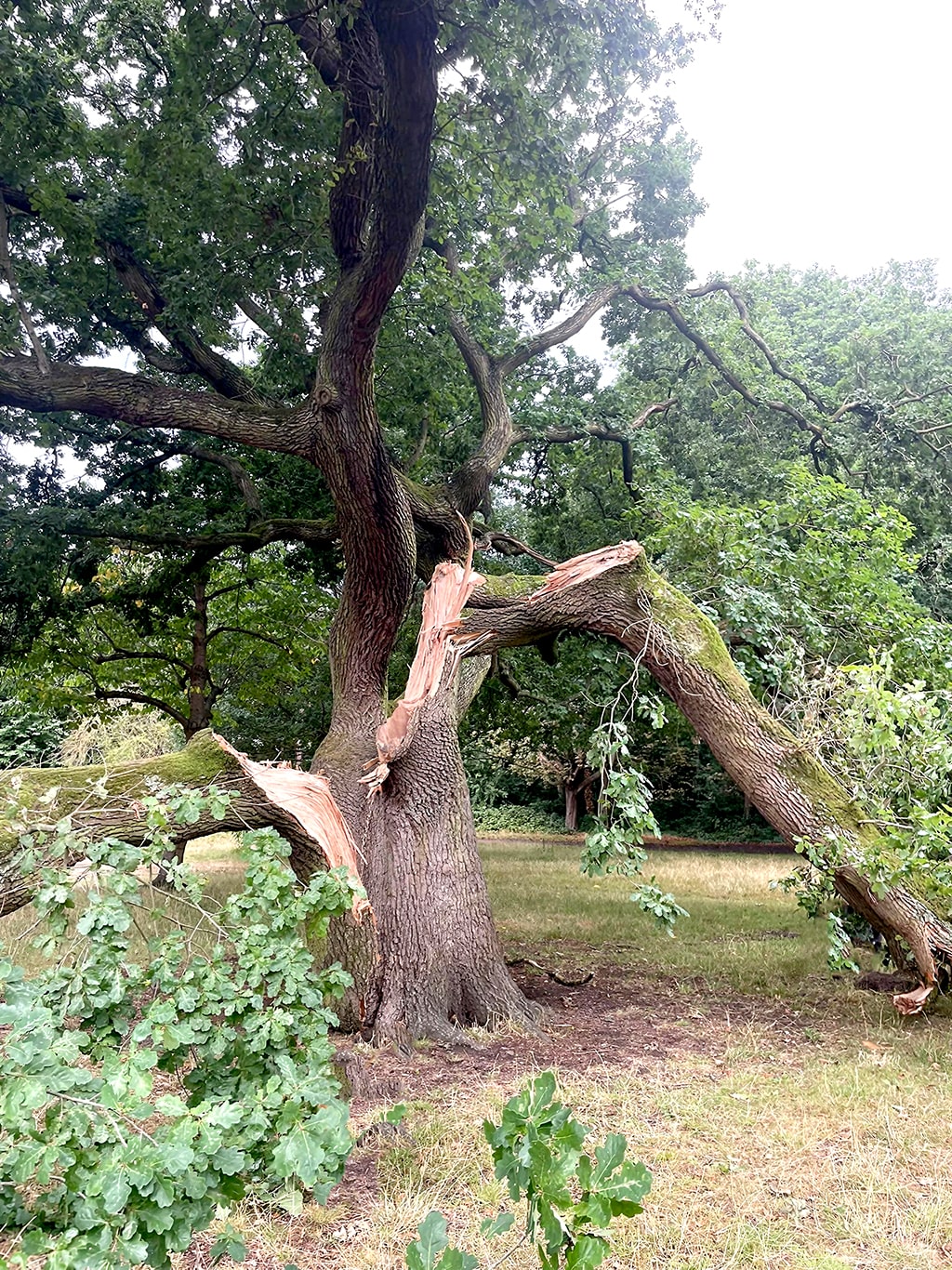
I had intended to write about rather different topics this month, but things changed suddenly when one of my favourite trees on the Common shed some of its massive branches:
Friends of Wandsworth Common, 22 July 2025:
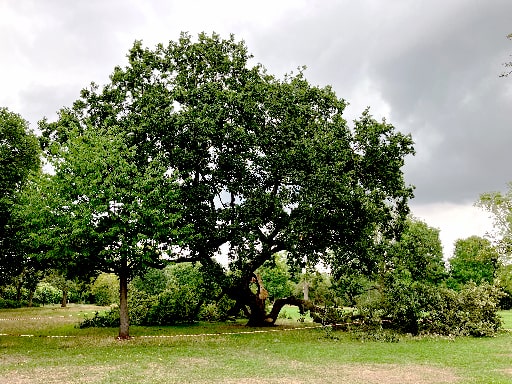
Very sadly we must report that the ‘boundary oak’ — one of the oldest trees on the Common, marking the boundary of Battersea and Wandsworth parishes — lost a major bough overnight. The area has been cordoned off while tree officers assess the situation.
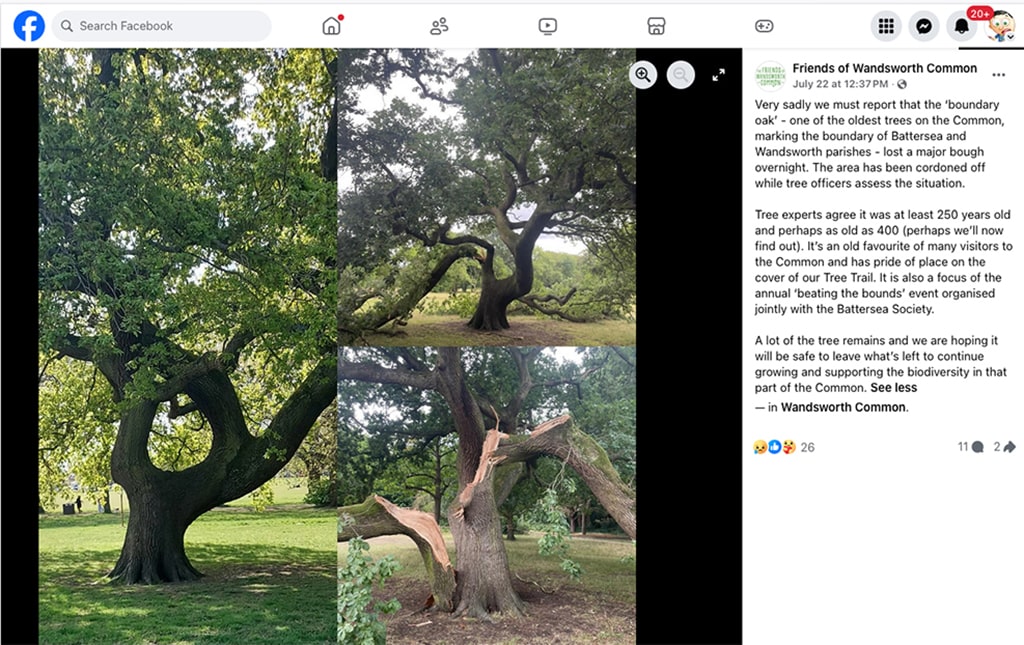
(Photos: Stephen Midlane)
Tree experts agree it was at least 250 years old and perhaps as old as 400 (perhaps we’ll now find out). It’s an old favourite of many visitors to the Common and has pride of place on the cover of our Tree Trail. It is also a focus of the annual ‘beating the bounds’ event organised jointly with the Battersea Society.
A lot of the tree remains and we are hoping it will be safe to leave what’s left to continue growing and supporting the biodiversity in that part of the Common.
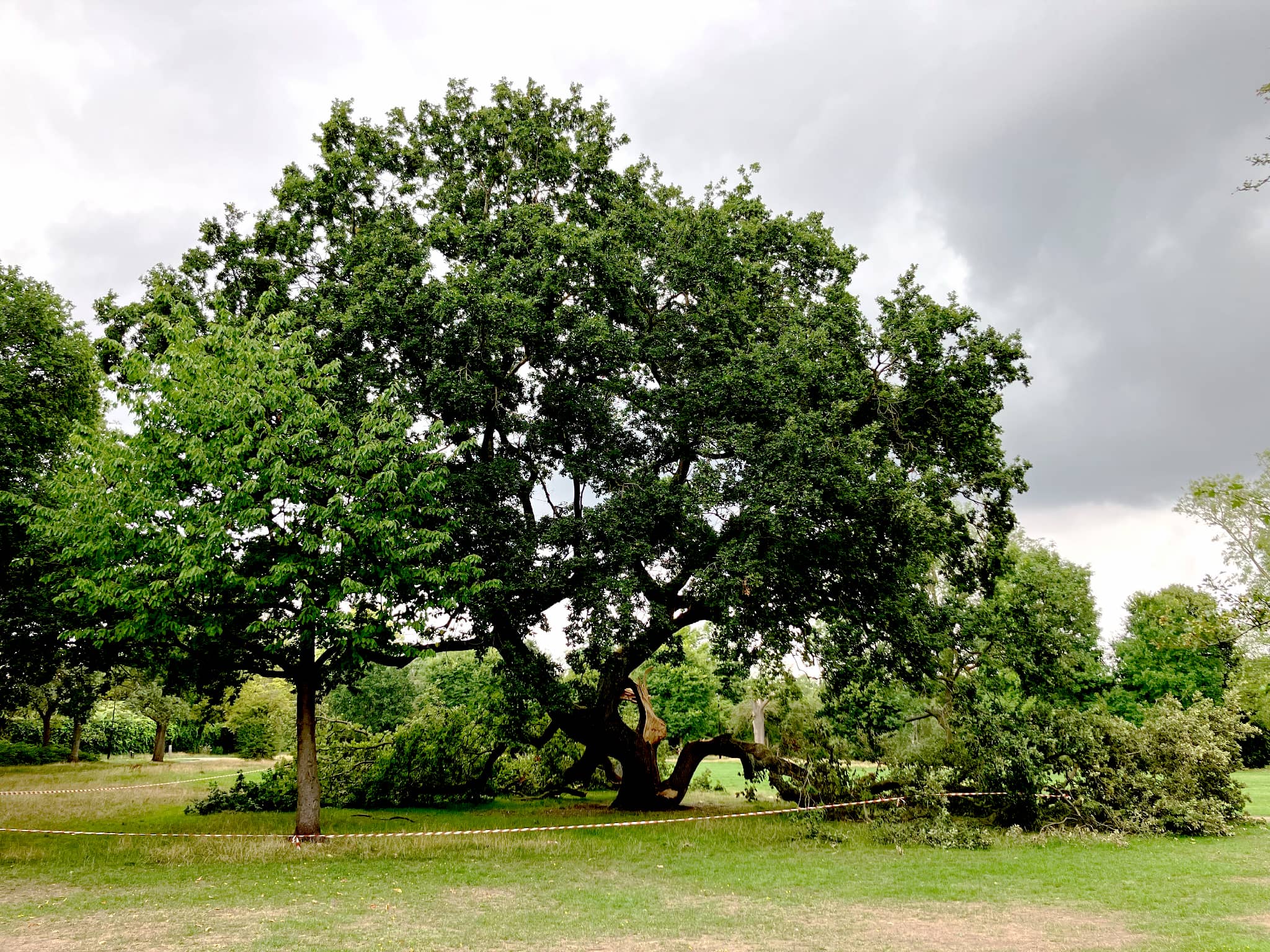
The Boundary Oak, 22 July 2025. (Photo: Philip Boys)
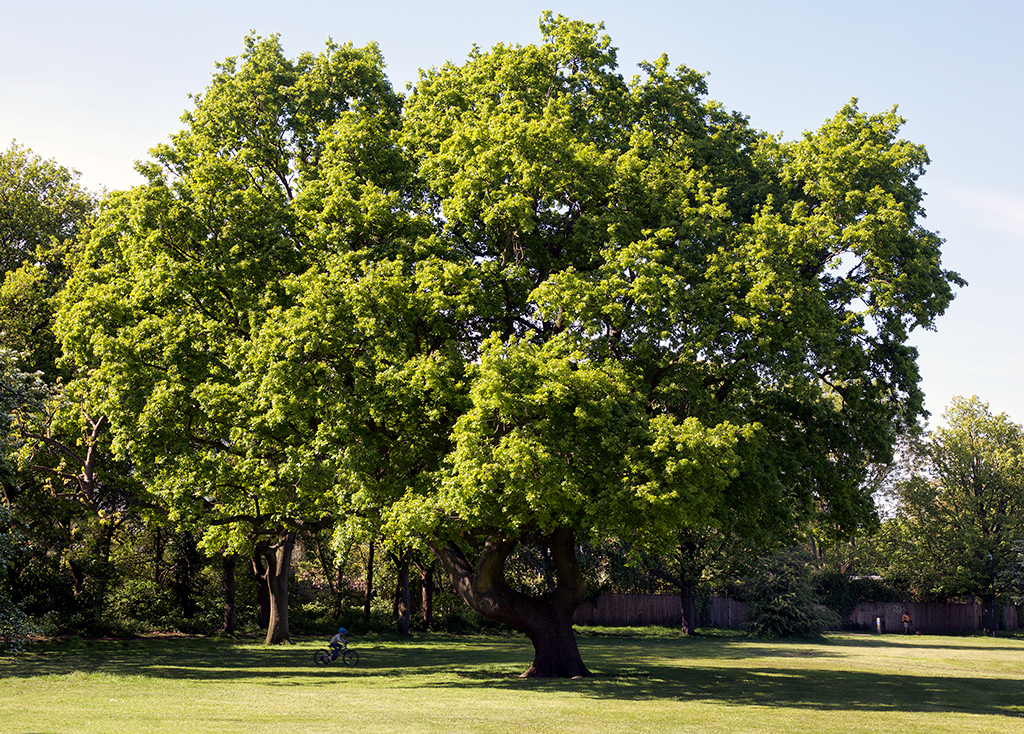
May, 2018. (Photo: Lewis More O'Ferrall)
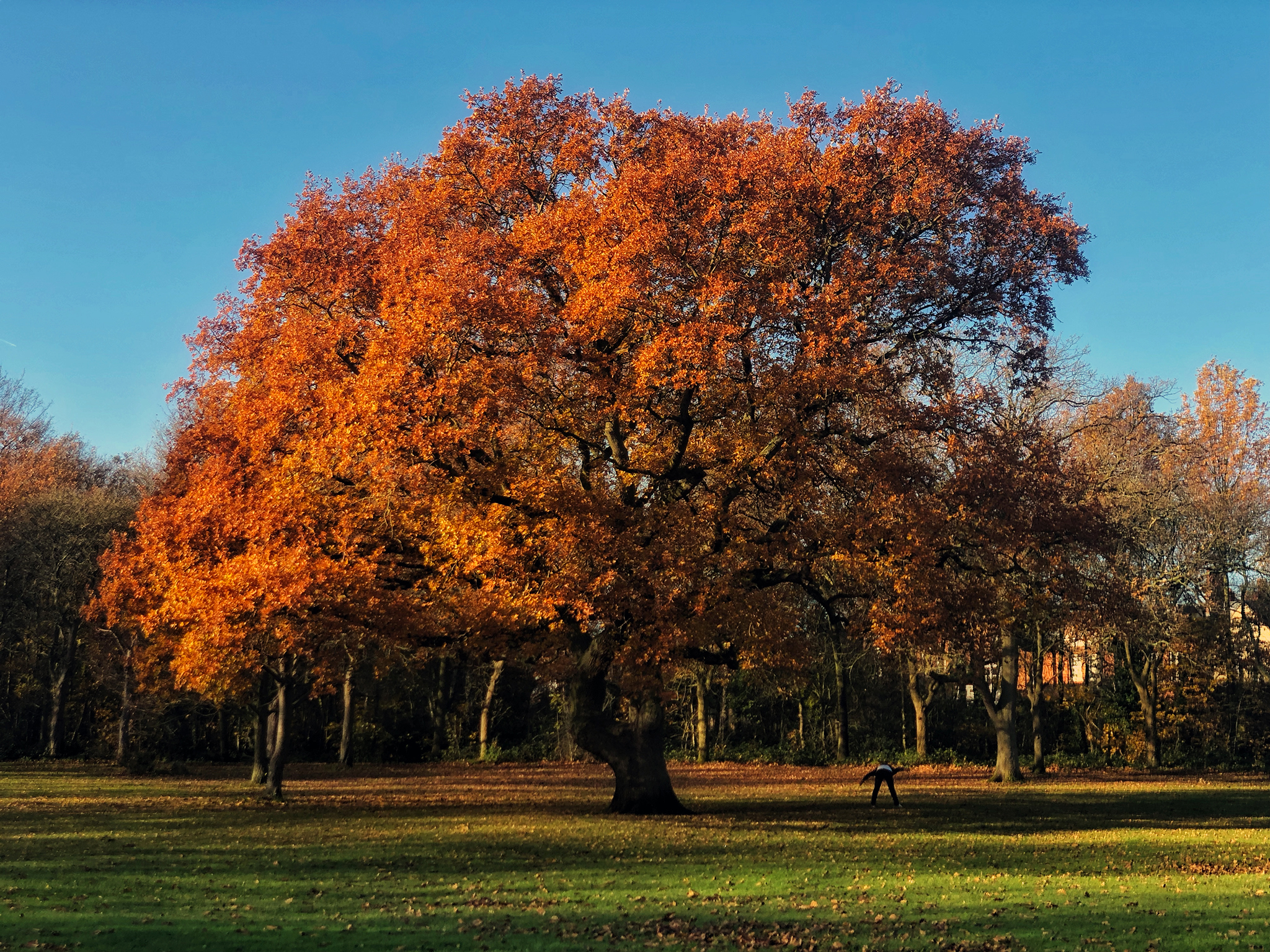
November, 2019. (Photo: Lewis More O'Ferrall)
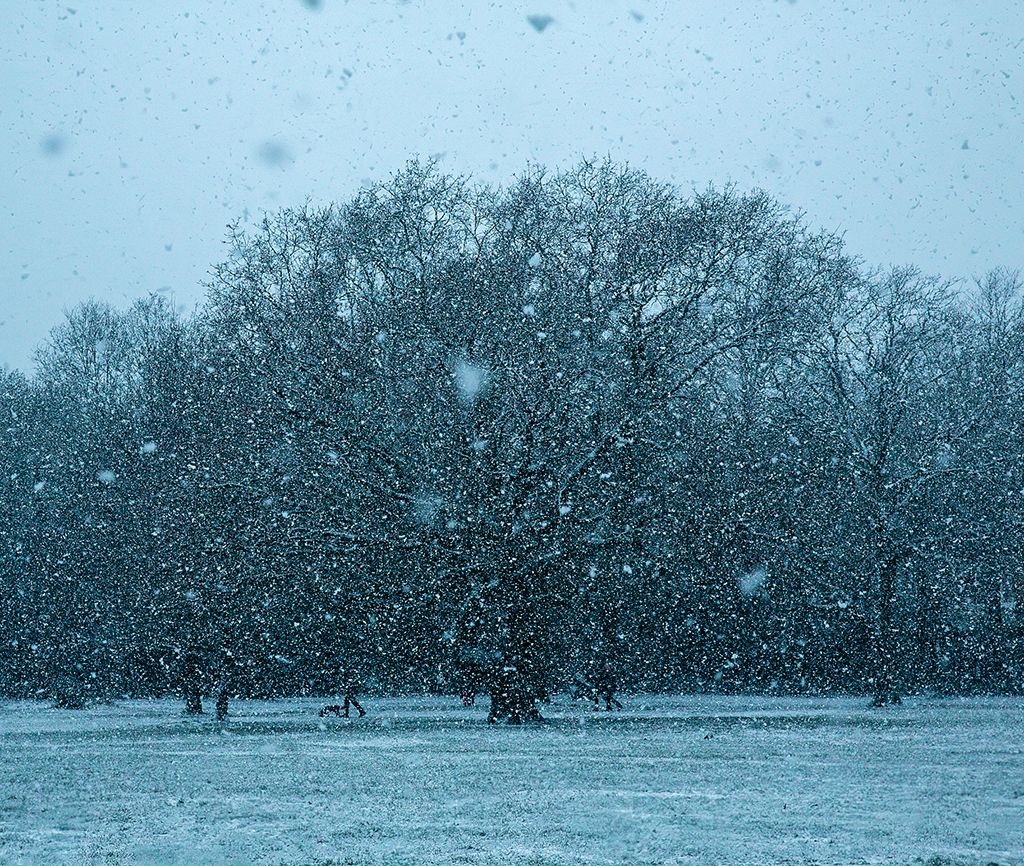
January 2021. (Photo: Lewis More O'Ferrall)
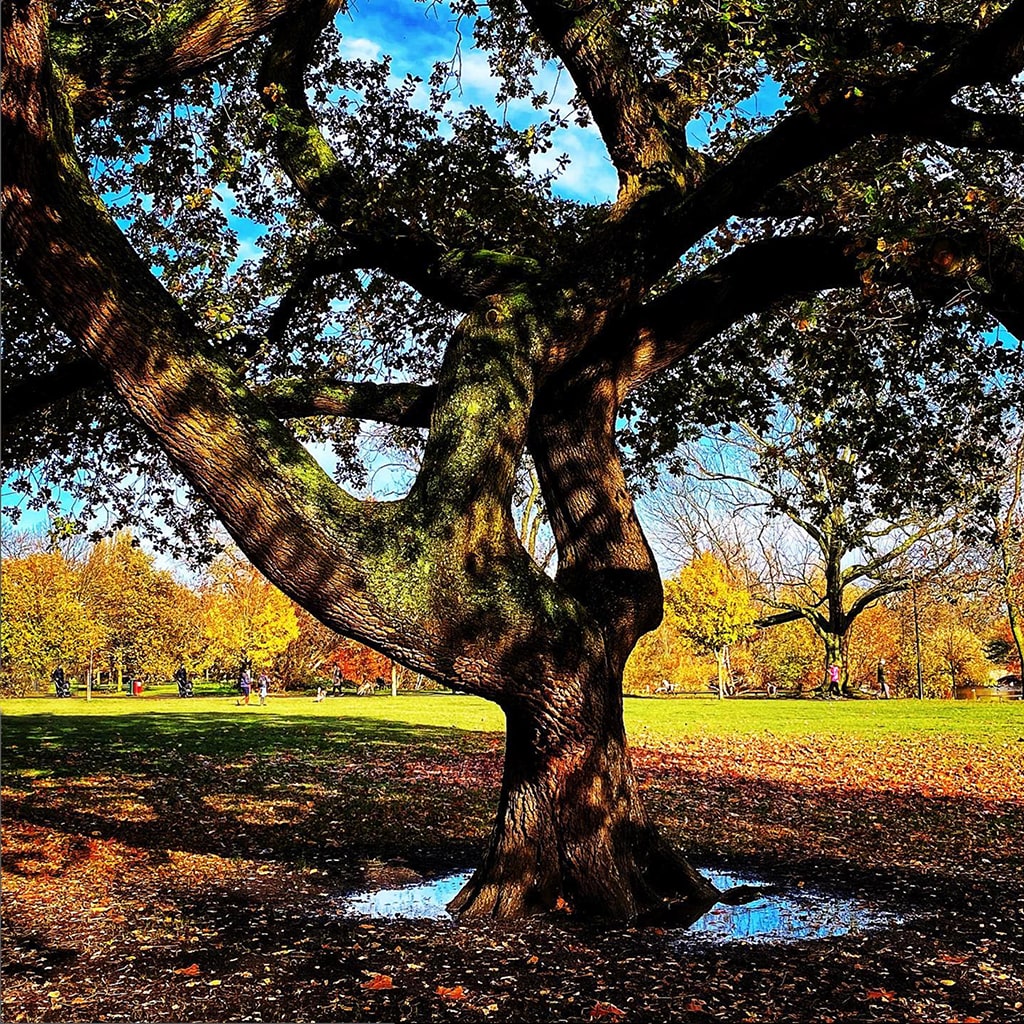
(Photo: Lewis More O'Ferrall)
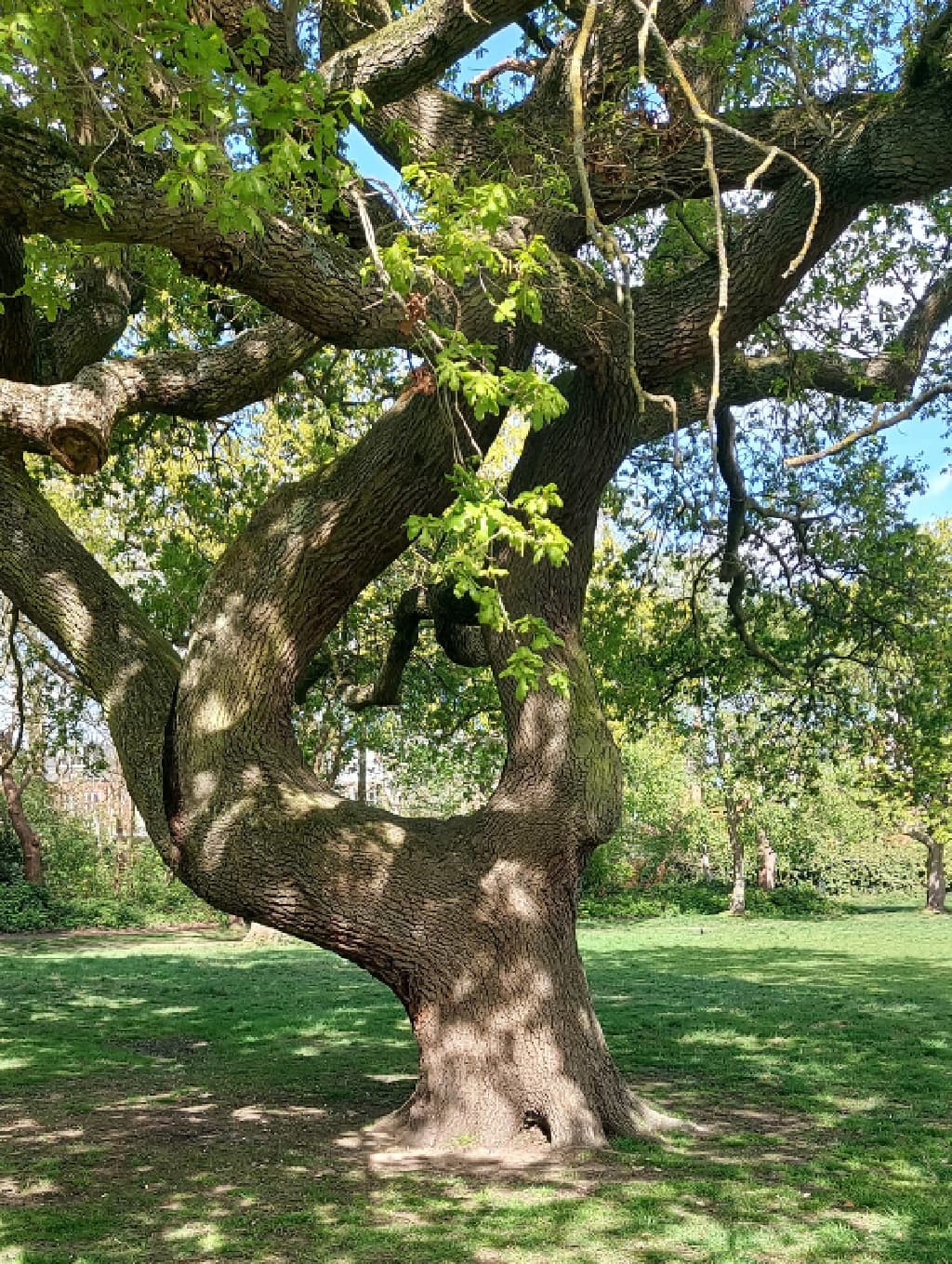
(Photo: Stephen Midlane)
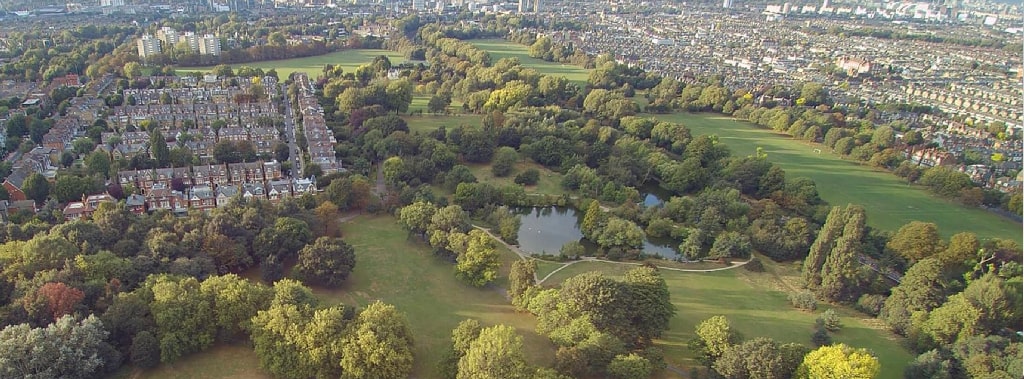
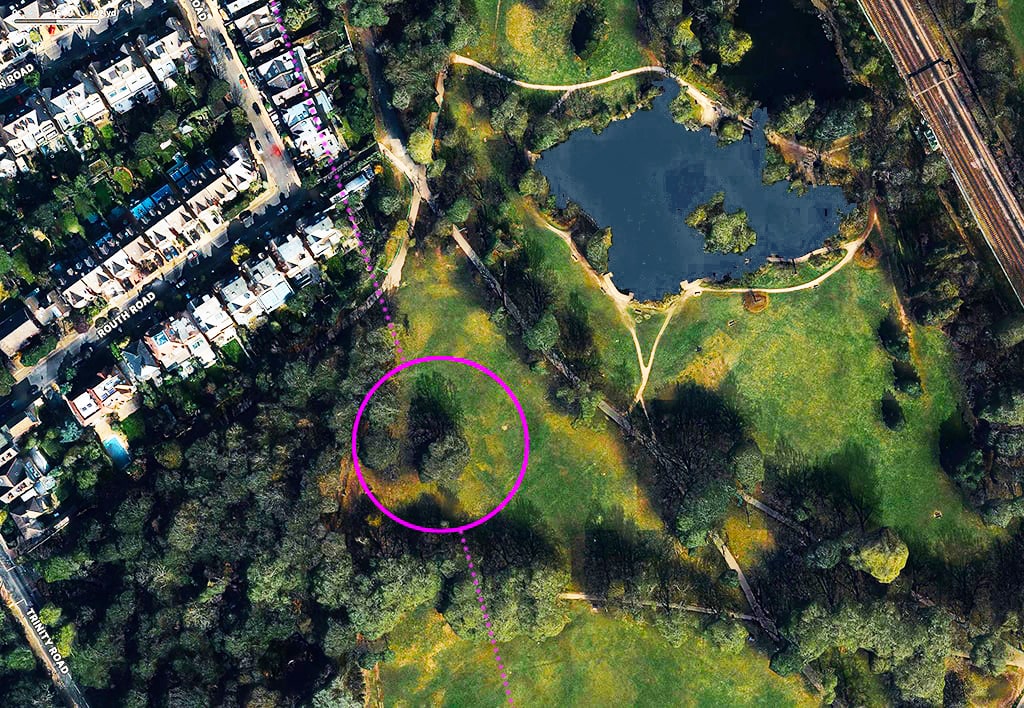
I'd known (and wondered about) this remarkable tree for a long time, but it wasn't until Stephen Midlane pointed out its position on the boundary between Battersea and Wandsworth parishes that I realised its significance. True, we haven't come across any further visual or written evidence, but it makes perfect sense.
[We know of other instances in the area of oaks being deliberately planted on the Common for just this reason, but I can't lay my hands on a better source than my memory at the moment. As soon as I do, I'll add it.]
In the late-19th century, an extraordinary number of boundary posts were erected every few yards to emphasise the parish/borough boundary between Battersea and Wandsworth. (This may seem odd, given how good mapping was by this time.) Previously, boundaries were recognised largely by natural features — streams, for example, or unusually shaped trees.
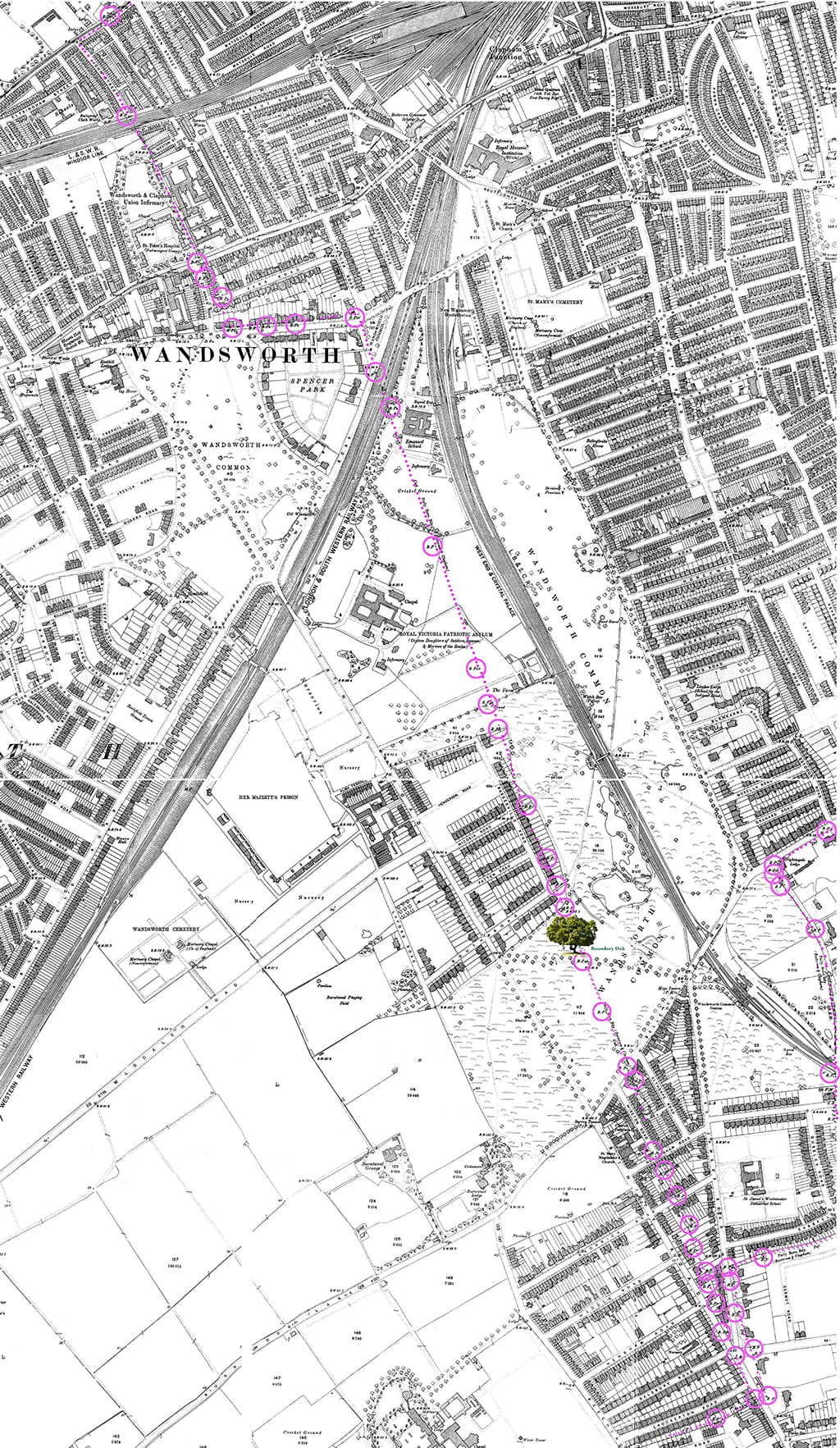
The Boundary Tree on the boundary between Battersea and Wandsworth, shown on an OS map of 1893. A surprising number of metal boundary posts (circled in purple) are shown. Most have now disappeared .
The Boundary Oak stands roughly half-way between two (later) posts or markers:
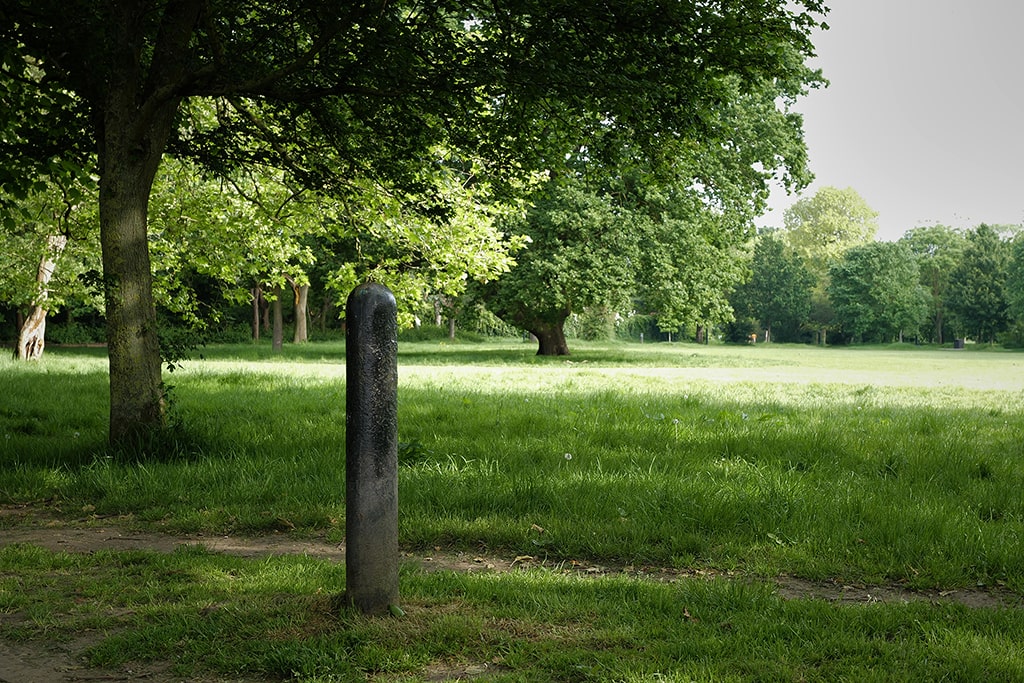
Boundary Tree seen from the post on the Avenue. (Photo: Tim Wren, 2024)
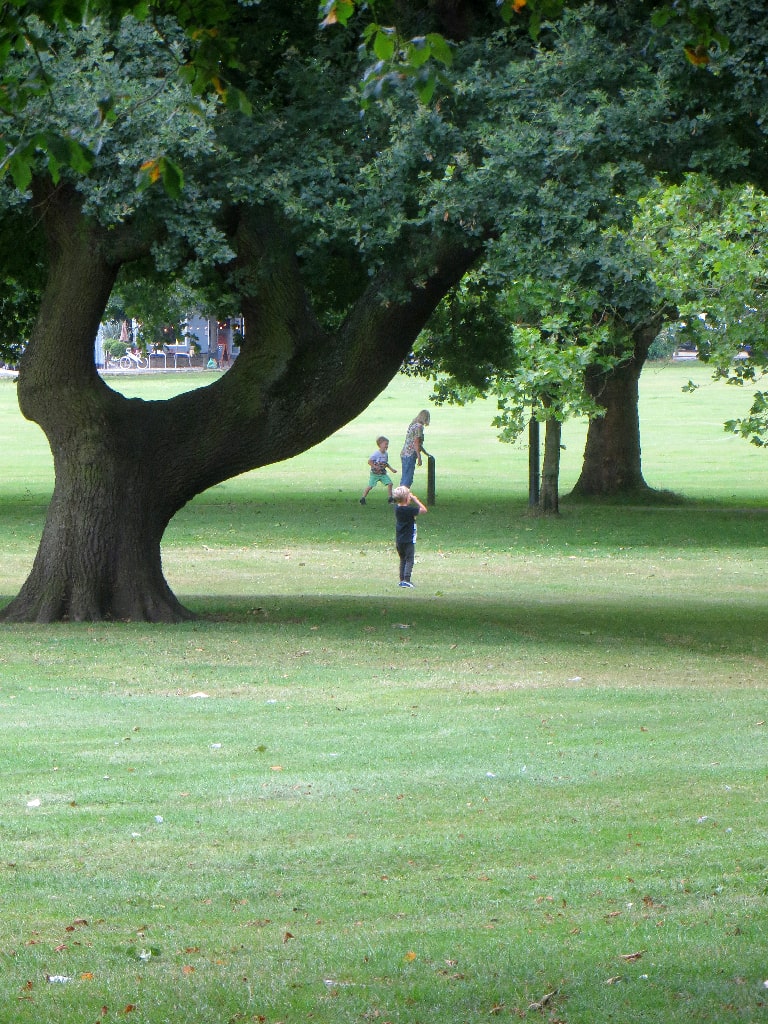
The same post seen from the reverse angle. Maggie (my wife), Theo and Marlowe (grandchildren) hunting for boundary posts, 31 July 2019.
Looking the other way, there is a very unusual pair of boundary markers, near the corner of the Toast Rack salient:
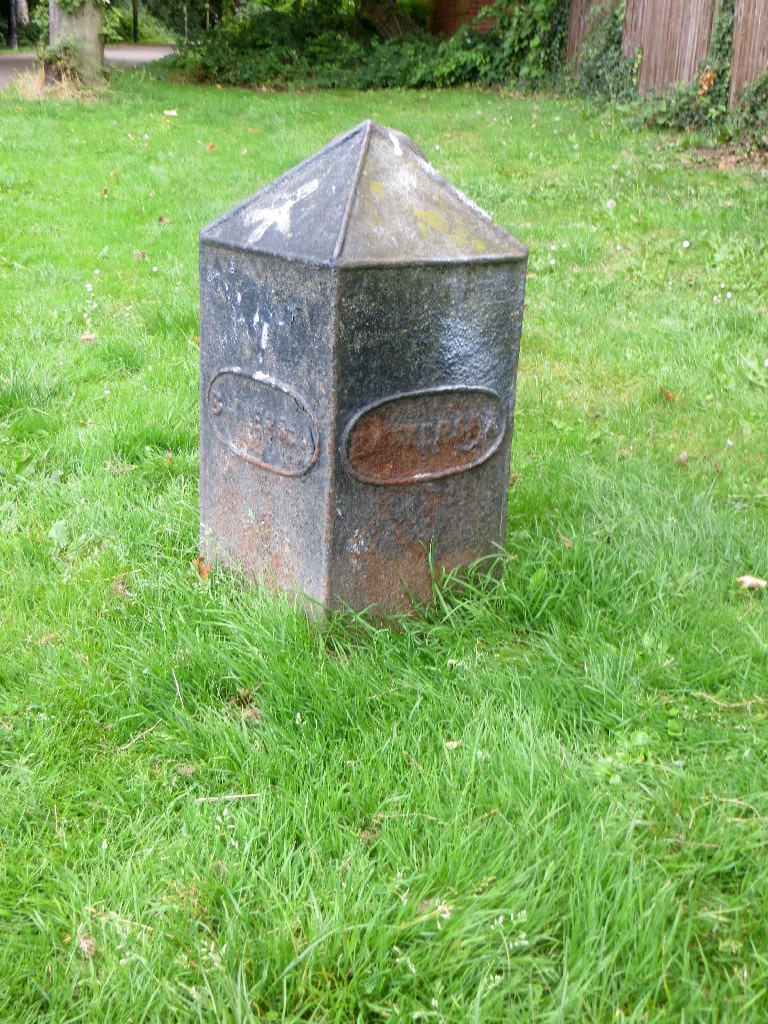
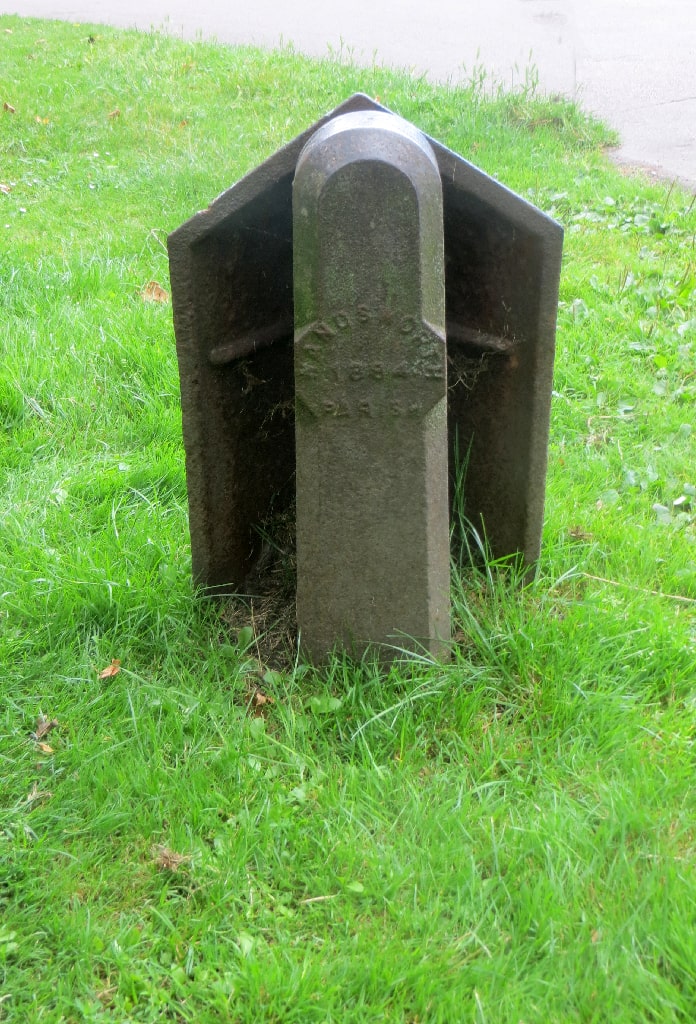
Very unusual paired boundary markers separating Wandsworth (1894) and Battersea, c.1910. (Photos: Philip Boys)

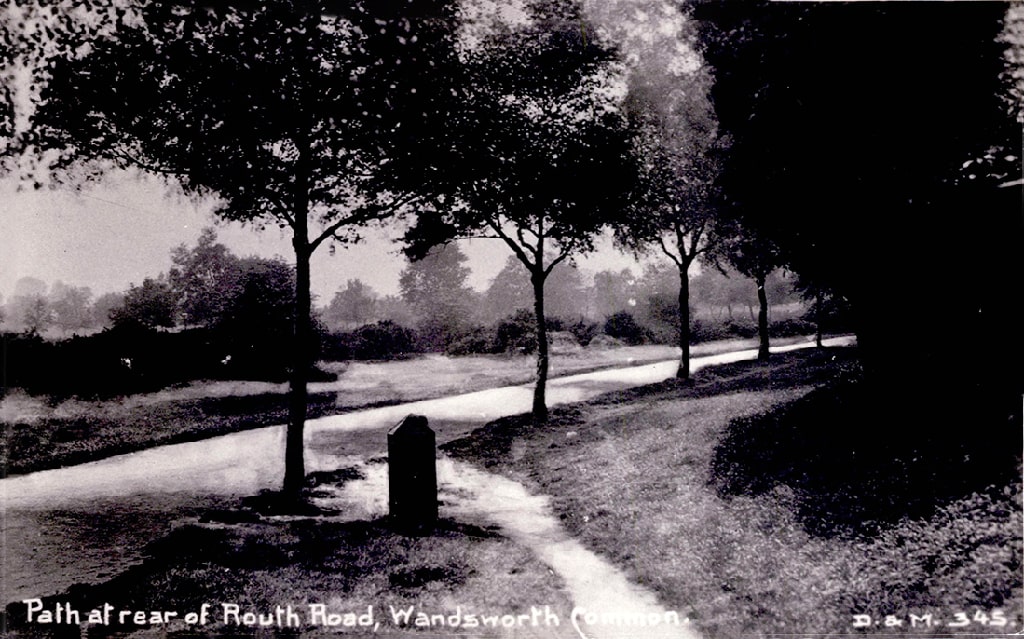
Postcard by Dorrett & Martin, whose studio was nearby on Bellevue. I think the Boundary Oak is just about visible in the distance, on the left. (Ron Elam Collection.)
You can just about see these boundary posts in the distance on the extreme left.
Our Boundary Oak must have been well-known to generations of beaters of the local bounds. I wish there were more (and more detailed) records of these perambulations, both by Battersea and Wandsworth parishioners.
A few years ago, I transcribed and annotated a wonderful account from 1862. Also a collection of photographs of boundary posts. Looking back at them again, I see I'd left them in a bit of a mess. which I'll try to tidy up. Let me know if you'd be interested.
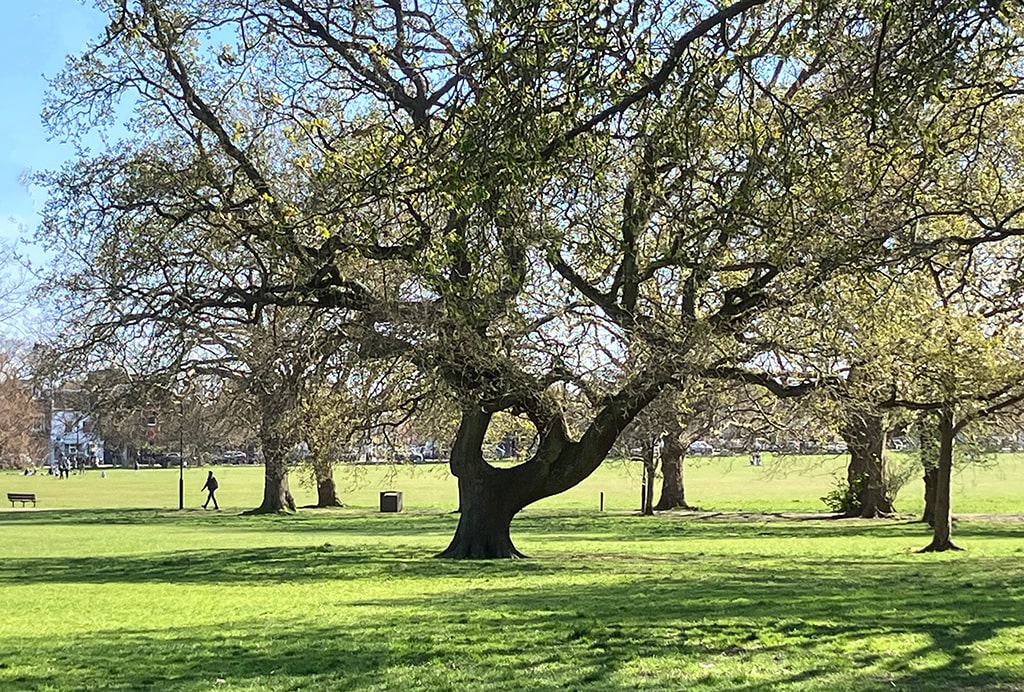
The Boundary Oak, a.k.a. the "Elephant Tree". Just to the right of the trunk, the boundary post on the Avenue. In the distance, Bellevue Road. (Photo: Lewis More O'Ferrall)
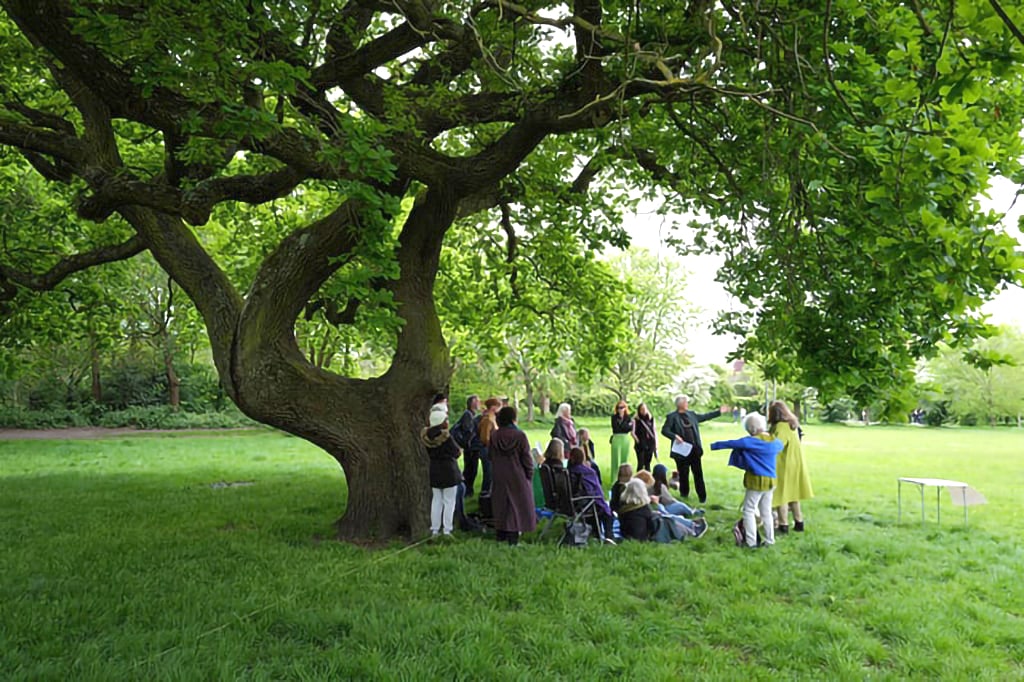
Beneath the Boundary Oak: me (in heroic pose) addressing exhausted Battersea-boundary-beaters about the history of their route, May 2024. (Photo Tim Wren)
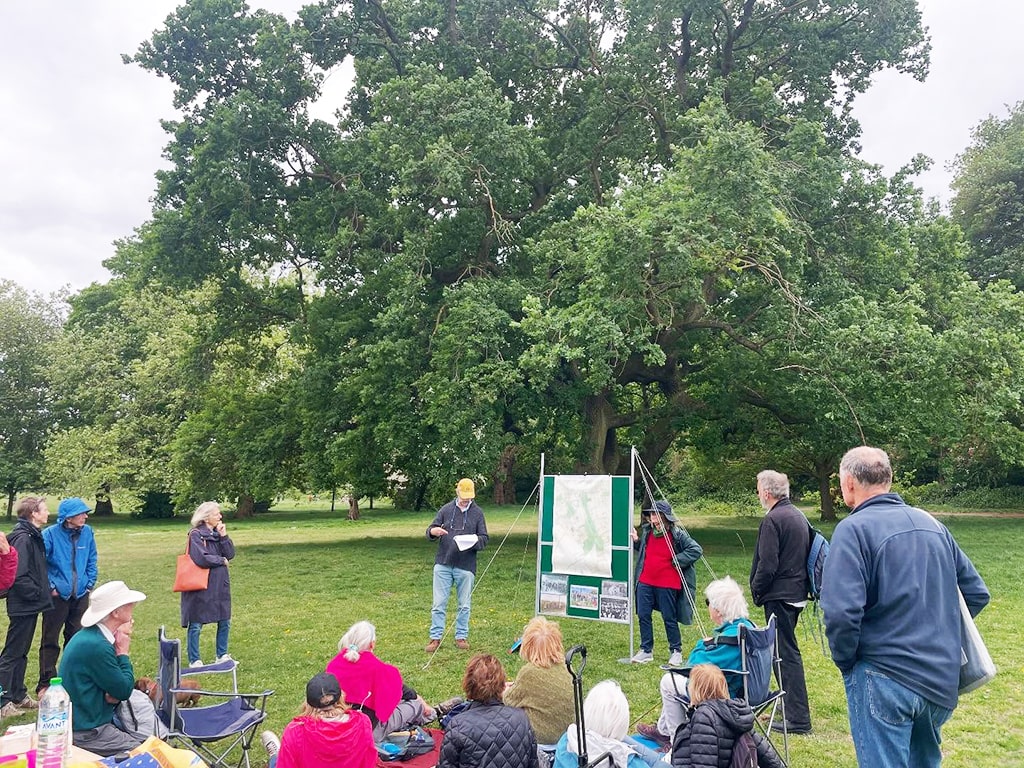
Stephen Midlane, doing likewise, May 2025.
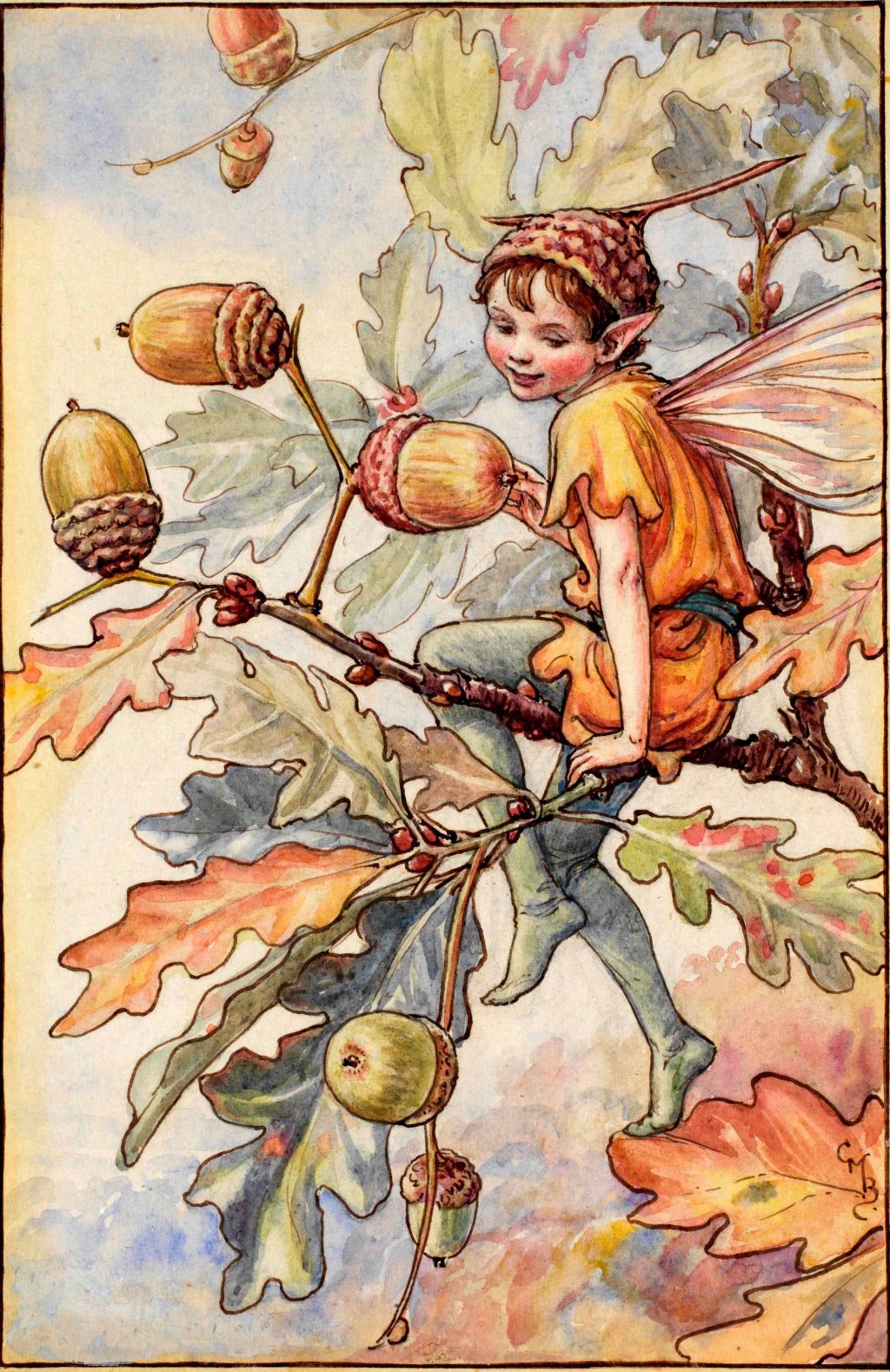
Cicely Mary Barker, The Acorn Fairy (from The Fairies of the Autumn (1925))
To English folk the mighty oak
Is England’s noblest tree;
Its hard-grained wood is strong and good
As English hearts can be.
And would you know how oak-trees grow,
The secret may be told:
You do but need to plant for seed
One acorn in the mould;
For even so, long years ago,
Were born the oaks of old.
After just a couple of days, the tree people came to assess the damage properly and make the Boundary Oak safer. The ambition, I hear, is to keep as much of the fallen wood as possible, and to carpet an area around the trunk with mulch as a way of keeping the tree better protected from drying out. The outer edge of the mulch matches the canopy — a good guide to the reach of the roots. I think they've done a wonderful job.
Reports suggest that what may explain the shedding is the sudden heavy rainfall that occurred a few days earlier. Coming after a severe extended drought, the boughs took up too much water and broke sunder the strain of the extra load.
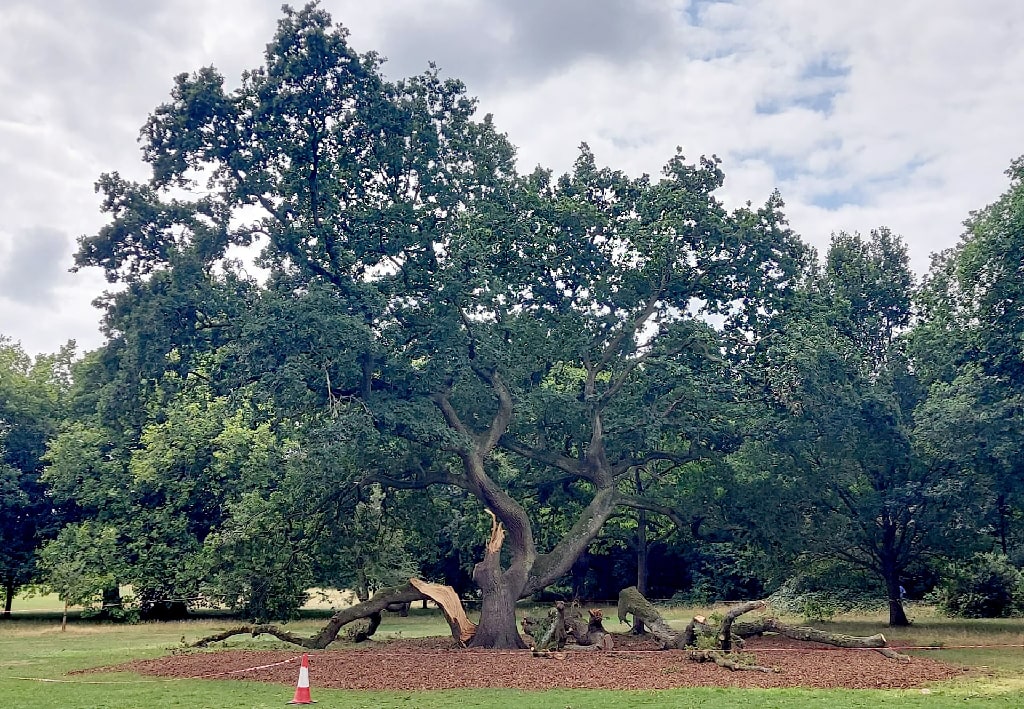
(Photo: PB.)
Do you have special memories or favourite photographs of the Boundary Tree? Please send them to me — I'll add them to a commemorative page I'm putting together.
SO many more stories still to tell. But that's all for now, folks.
Send me an email if you enjoyed this post / want to comment on something you've seen on the site / would like to know more — or just want to be kept in touch.
If you would like to receive notifications of new Chronicles, let me know . . .
Philip Boys ("History Boys")
August 2025
— Friends of Wandsworth Common
— Wandsworth Historical Society
