
— Index / Links - Edward Thomas.
— Titles . . . .
— Talk Draft 1 Intro . . . .
— Talk Draft 3 Edward and Helen . . . .
— Index / Links — Edward Thomas.
— Talk — Notes.
— Titles . . . .
— Talk Draft 1.
— Homes 1 . . . .
— Homes 2 . . . .
— Helen Thomas, On Storm's Wing [text part-OCRd].
— Halbrake / St John's Hill House School.
— Sir Walter St John's / Battersea Grammar School.
— Chronicles so far [contents with links].
— Chronicles — all text so far [all text].
Philip Edward Thomas was born on 3 March 1878 — almost but not quite 150 years ago. He was the first child of Mary Elizabeth Townsend and Philip Henry Thomas, an ambitious Clerk rising up in the Civil Service. All four of his grandparents had been brought up in Wales, though his mother had been born in Headingley, Yorkshire.
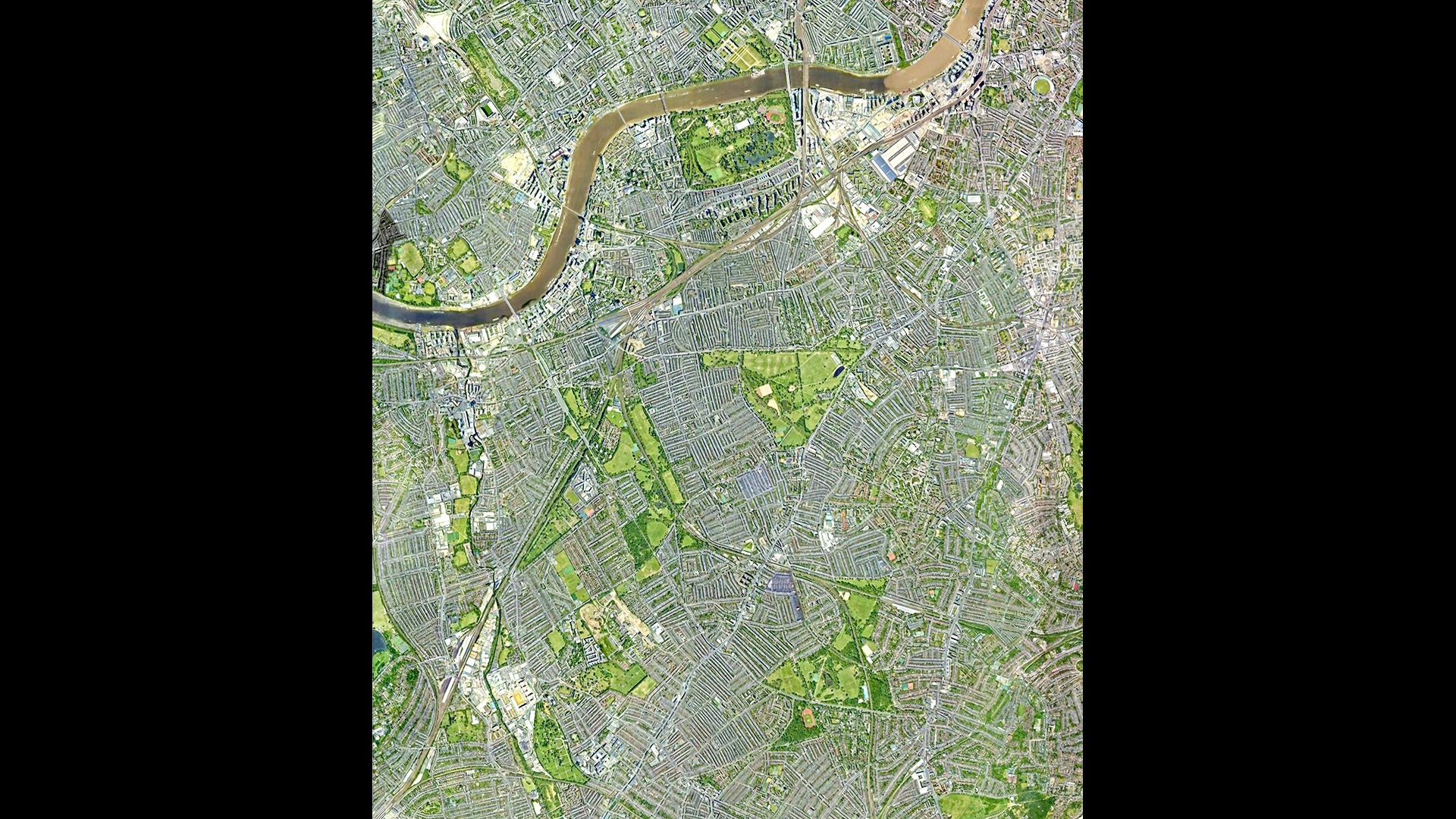
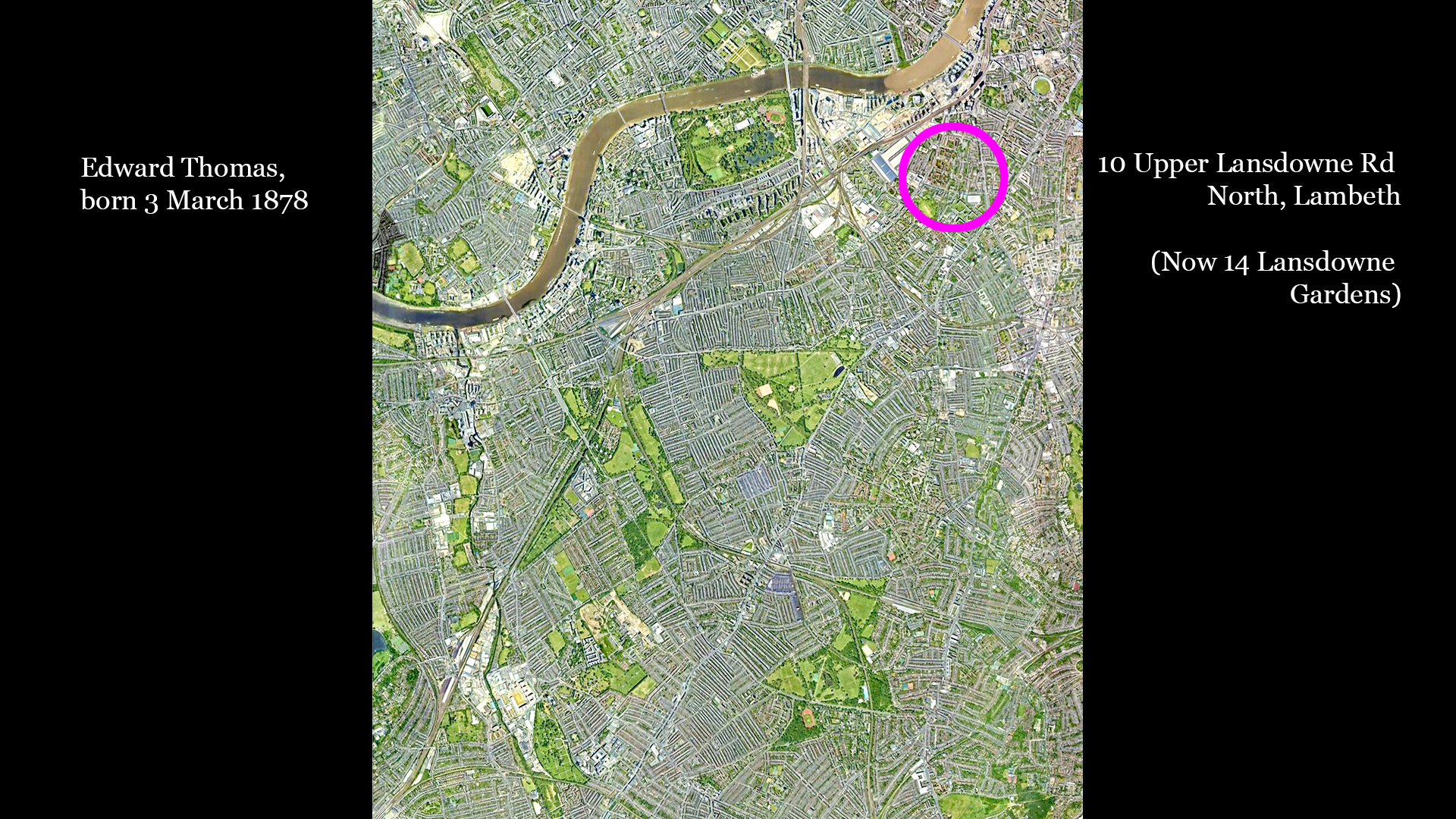
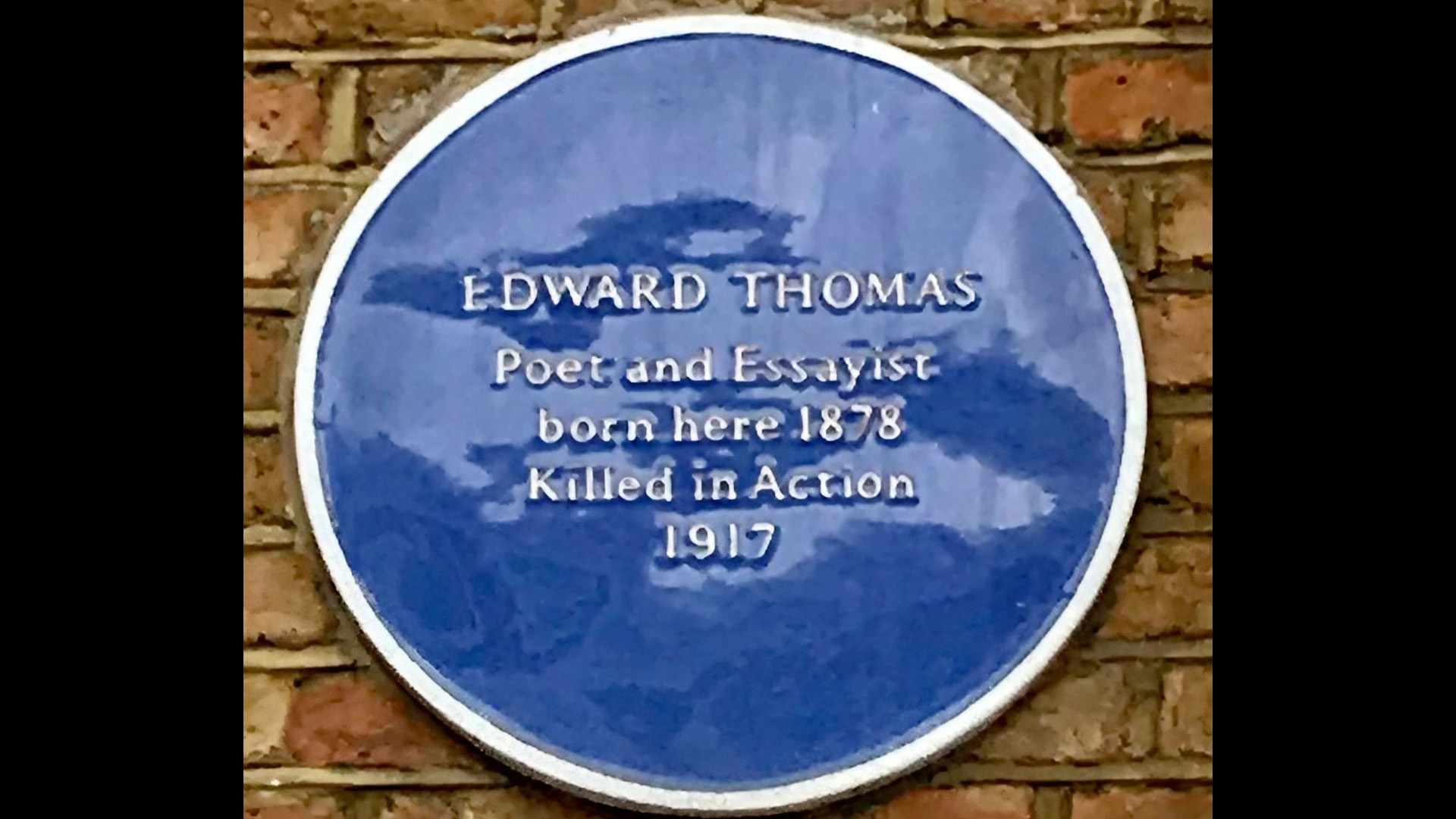
The couple married in Lambeth in 1877. Their first child, Philip Edward Thomas, was born a year later, on 3 March 1878, at 10 Upper Lansdowne Road, Lambeth — not far from the border with Battersea.
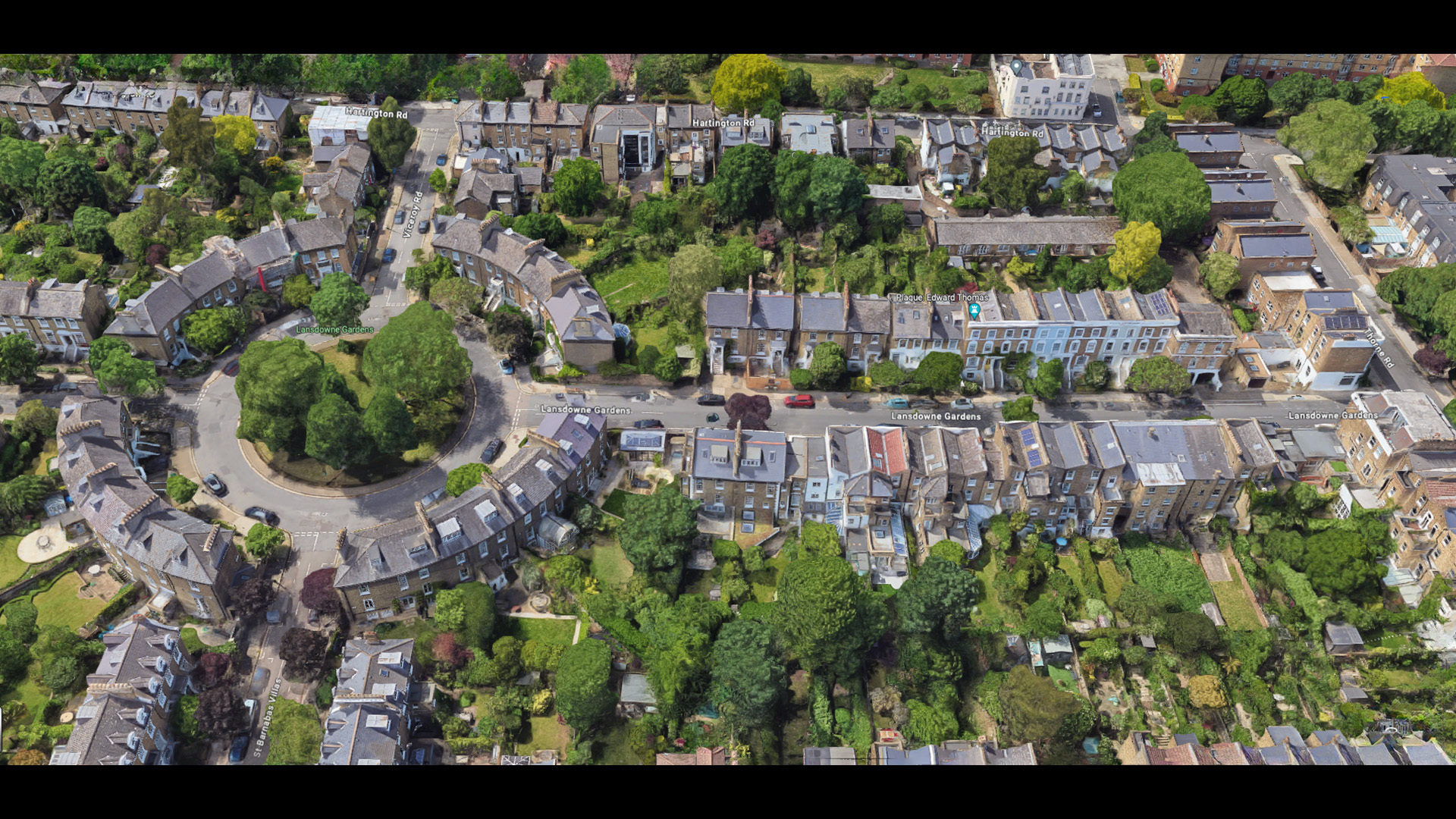
Here's an aerial view today:
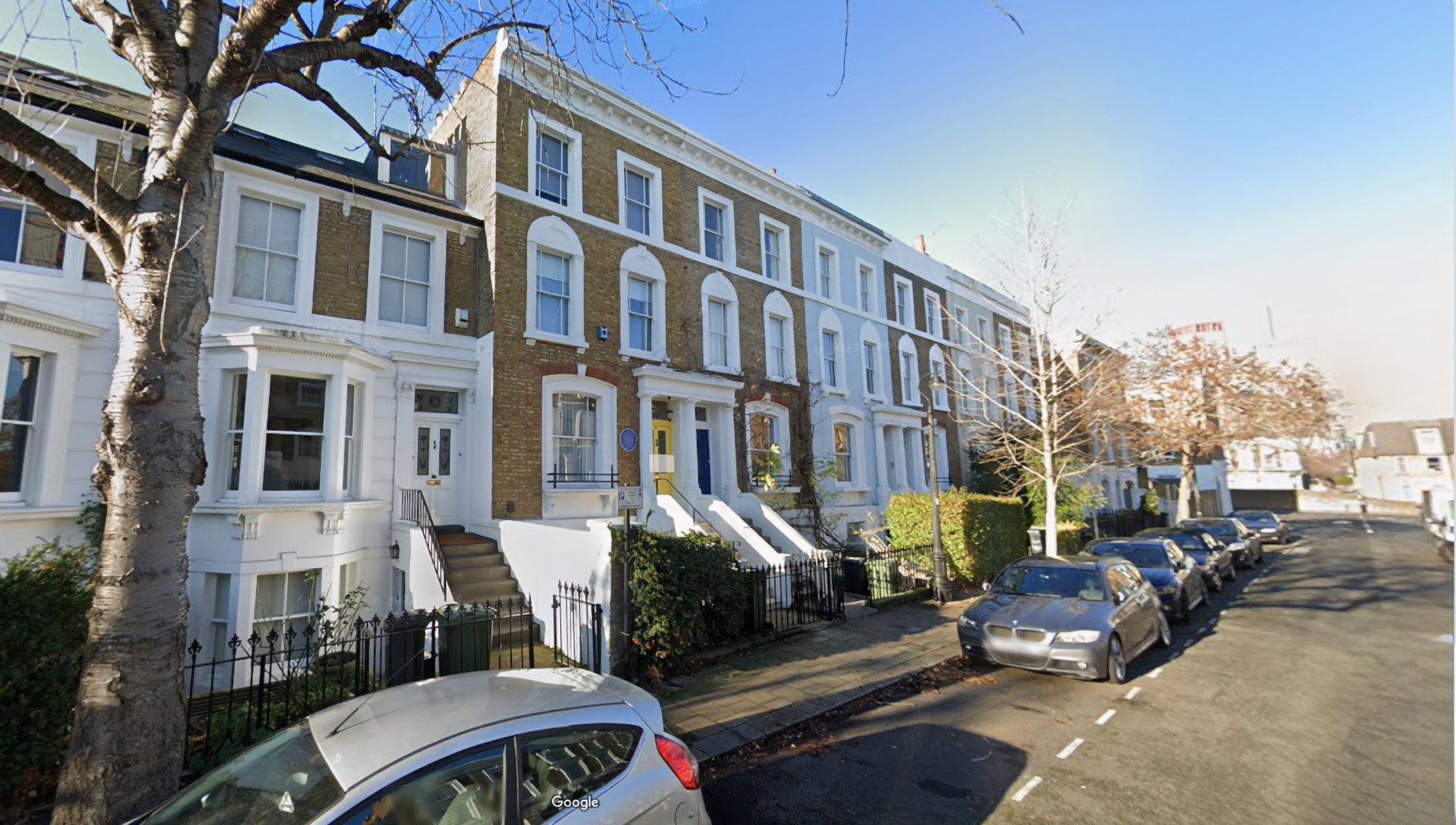
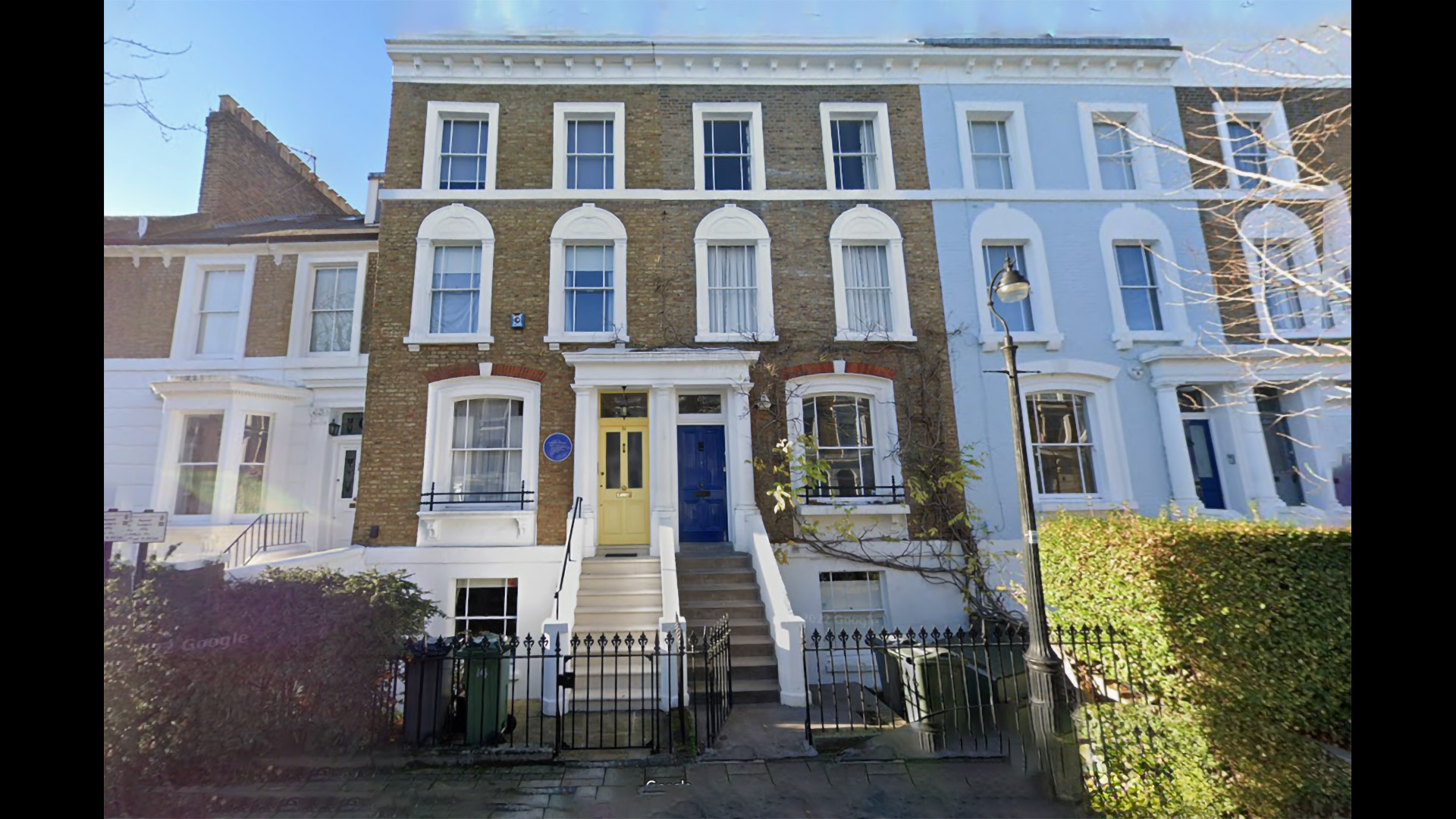
Today there's a plaque on 14 Lansdowne Gardens. An unusual style. It doesn't look in any way "official" — it's not LCC, English Heritage, or the Vauxhall Society. I suppose it was placed there by someone who owned the house and was tickled to learn it was associated with Edward Thomas?
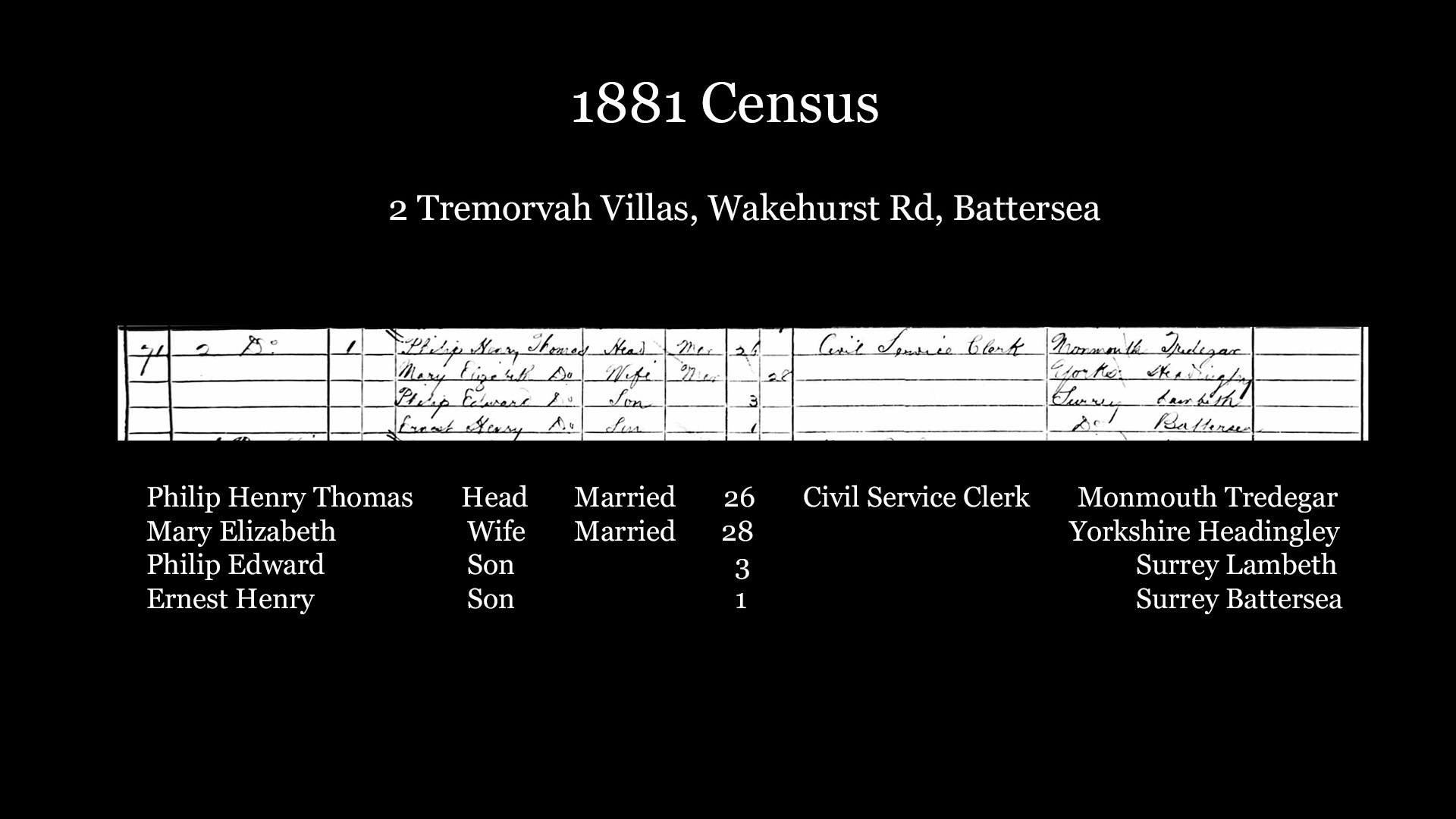
A brother — Ernest — was born. When Edward Thomas was just two, the family moved to Wakehurst Road in Battersea, very close to Northcote Road.
(So far as I know Edward was rarely called "Philip", except in official documents. He was often called by its Welsh form "Edwy".)
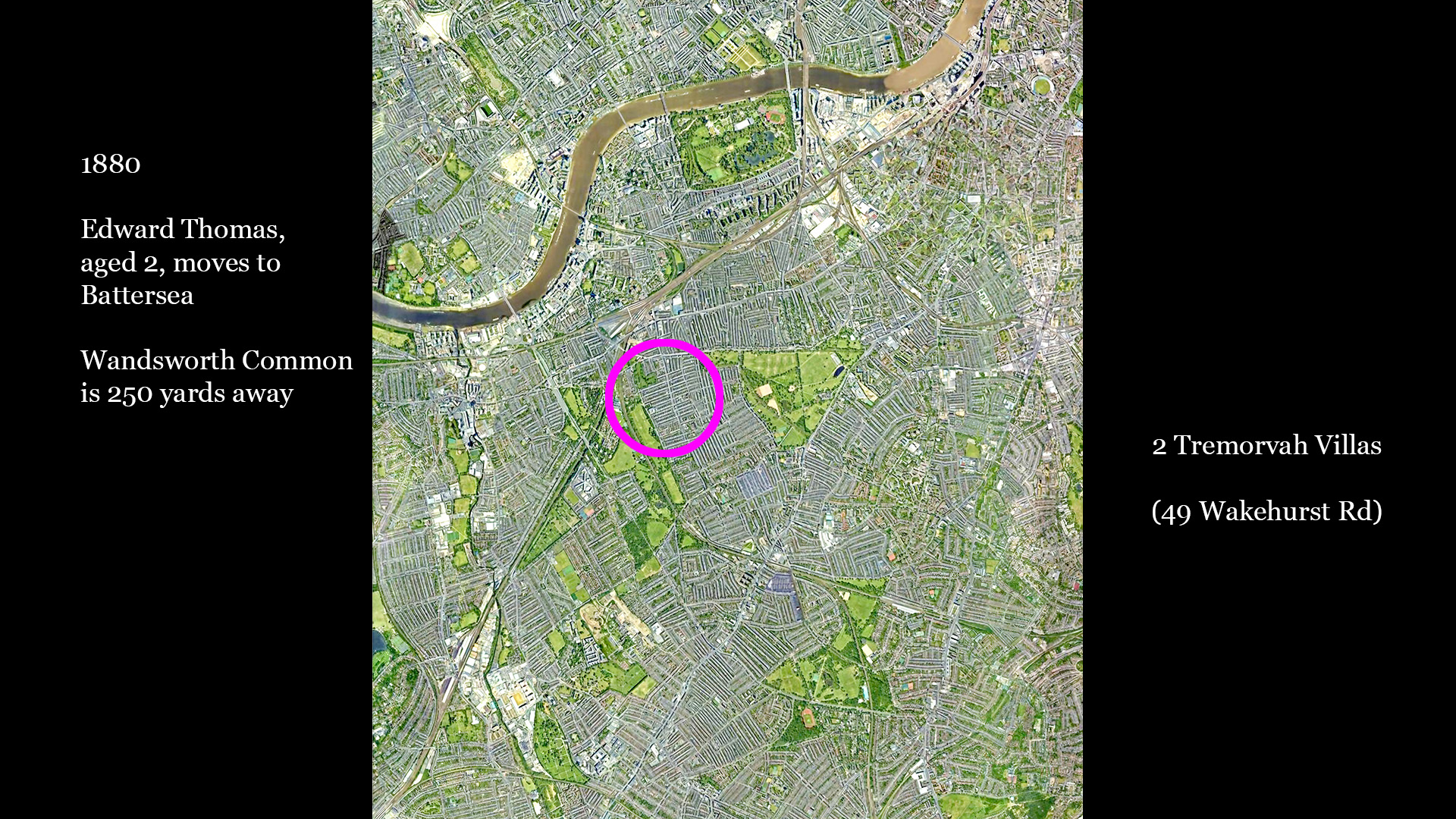
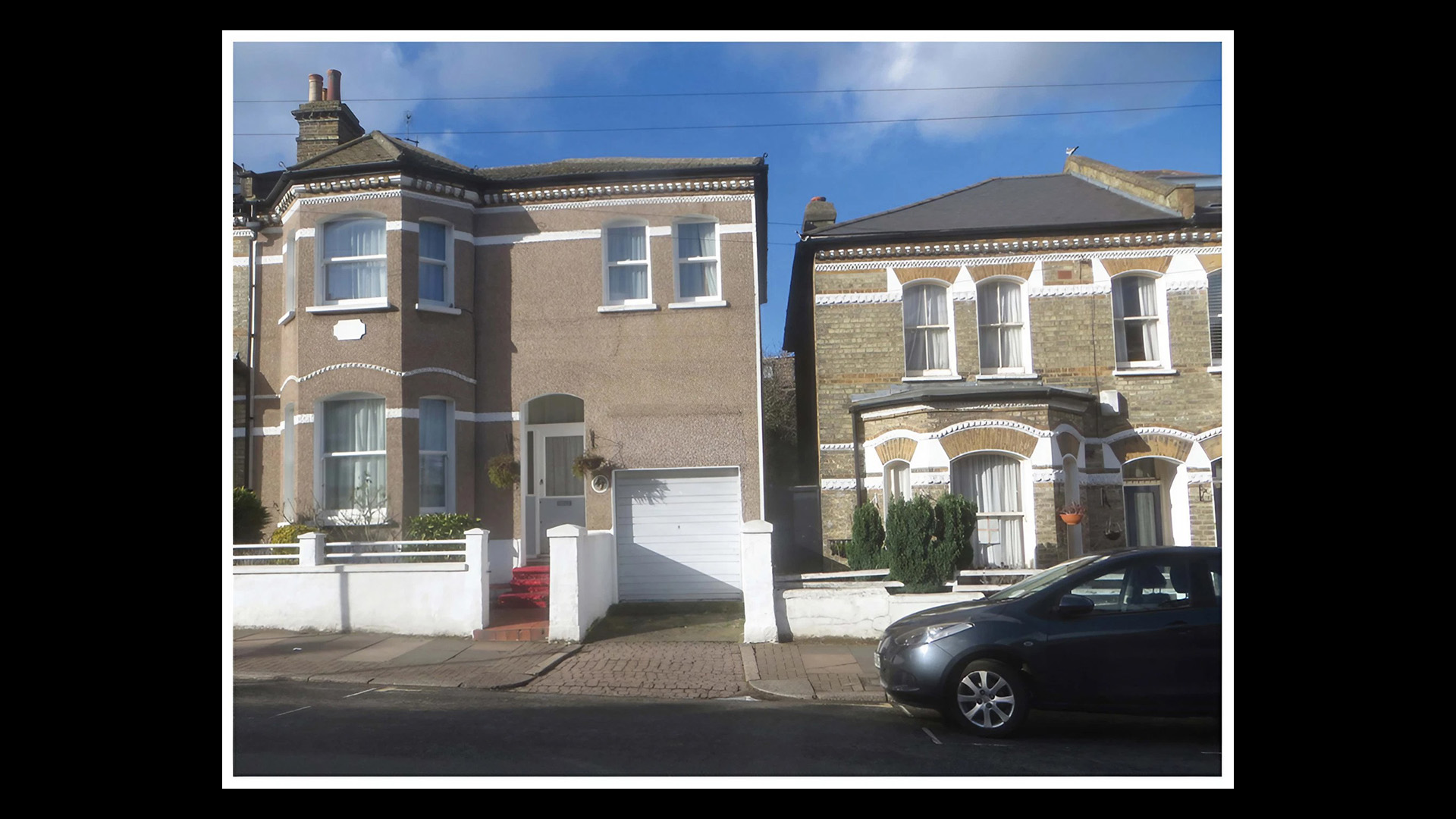
Here they are the following year, in March 1881:
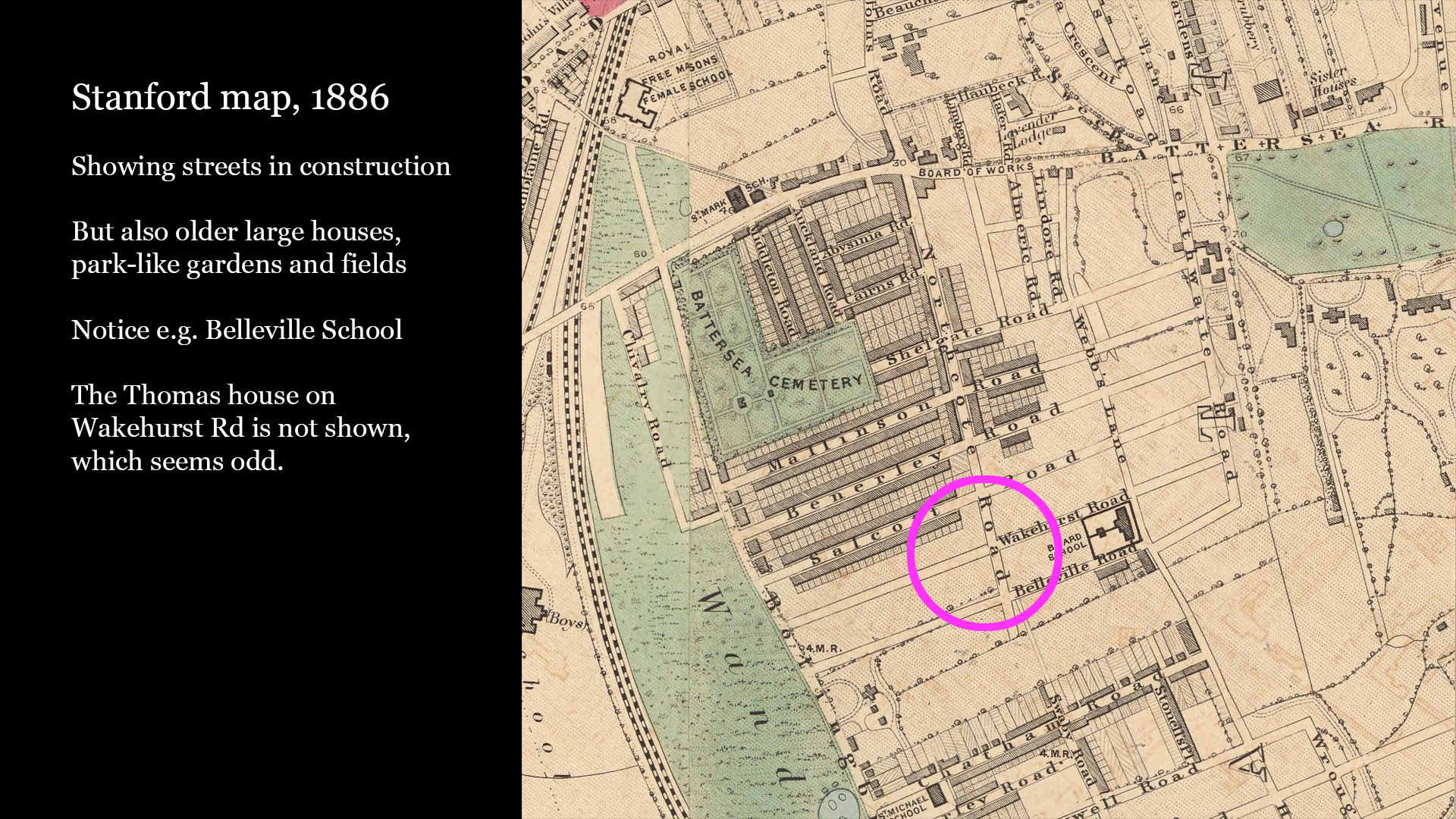
This Stanford map, from 1886 [apparently], shows the area, and suggests how similar but also different it was from today. There are a lot of fields, and a number of large houses with parklike grounds.
But the openness of the recent past is changing. Streets are being planned out, even if they're not actually built on yet. It looks as though a tide of houses is flowing southward between Battersea Rise, Bolingbroke Grove and Northcote Road — oddly clustered around the cemetery,
Strangely, the Thomas's house on Wakehurst Road, which they've already lived in for 6 years at this point, is not shown.
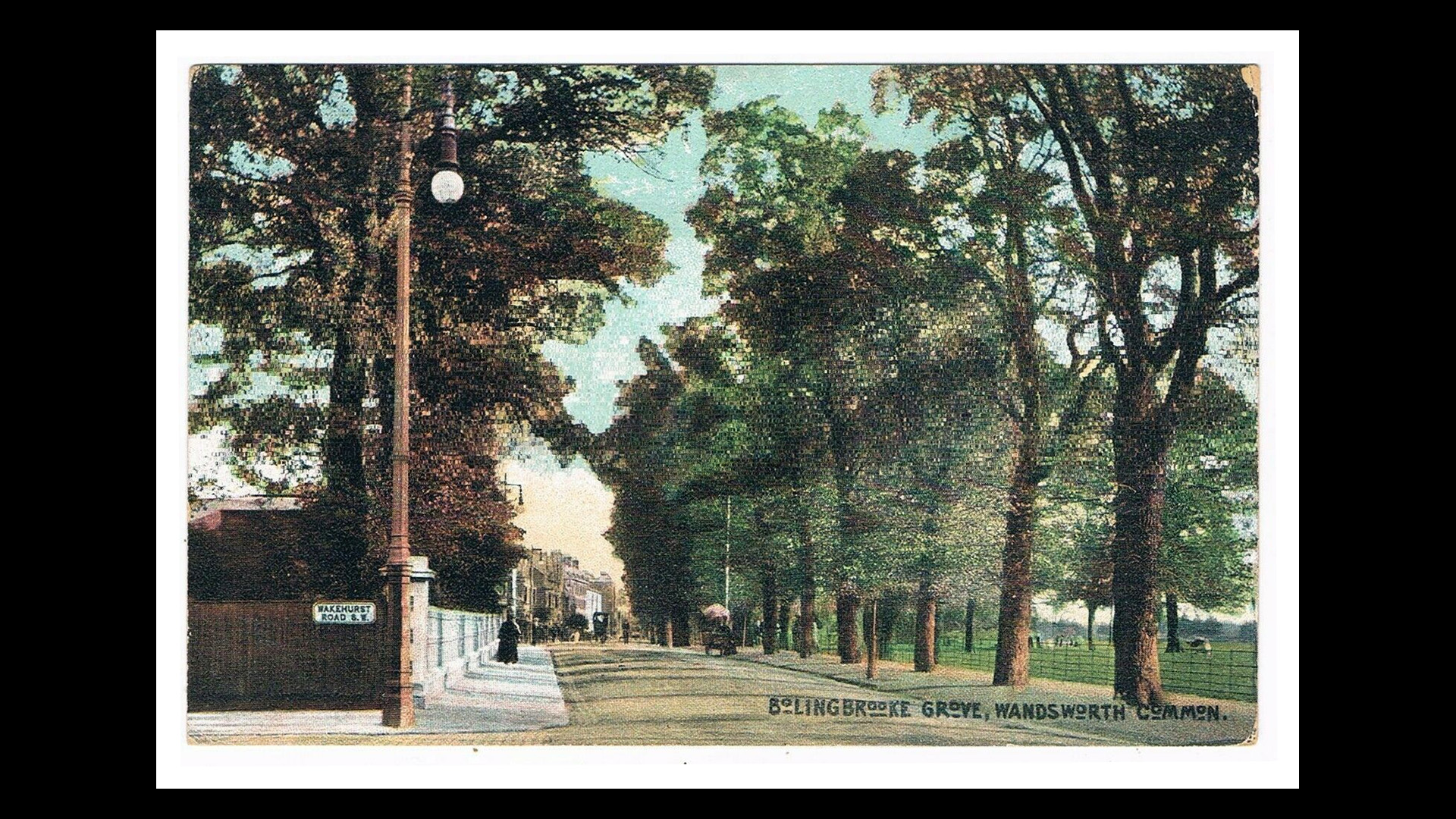
Our street like three or four others parallel to it was in two halves, running straight up the opposite sides of a slight valley, along the bottom of which ran the principal street of mixed shops and private houses.
Our house was low down in the half which ran up westwards to Bolingbroke Grove, the eastern boundary of Wandsworth Common.
These little semi-detached one-storied pale brick houses in unbroken lines on both sides of the street had each, even then when they were new, something distinguishing them and preventing monotony.
The people in them made them different. In addition, some were beginning to be draped in creepers. Some gates stood open, some were shut. One had bushes in the garden, another had flowers, another nothing but dark trodden gravel.
The house above ours, in the next pair, was presumably meant for a doctor, and possessed a coach house which looked almost as if it belonged to us. That was our outward distinction.
[Childhood, p.23.]
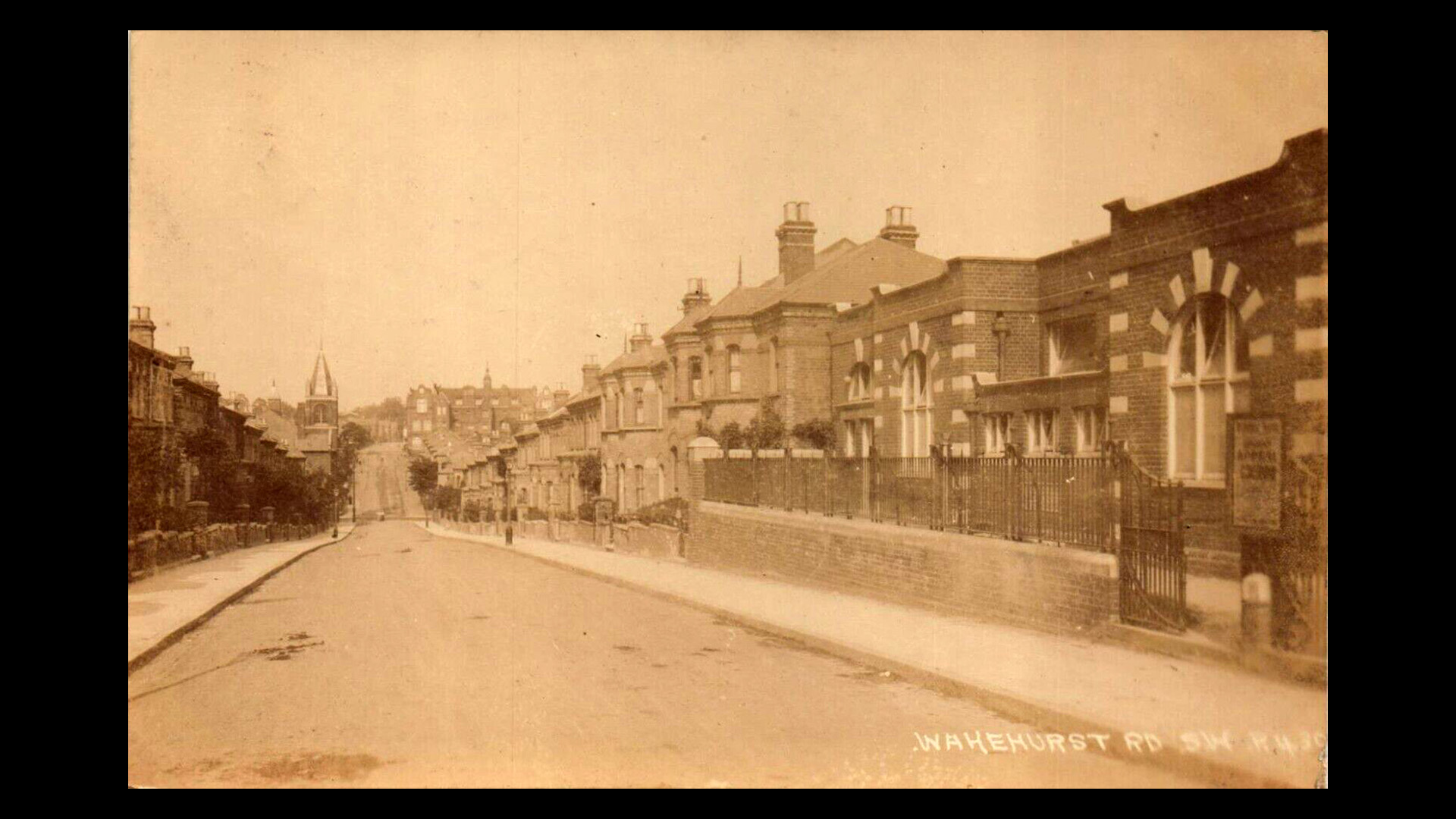
Here's an evocative view of Wakehurst Road. It was probably taken twenty or 30 years later, probably about 1910, but is likely to appear much as it was when Edward Thomas lived there:
[The Bolingbroke Hospital buildings on the right are of course more recent.]
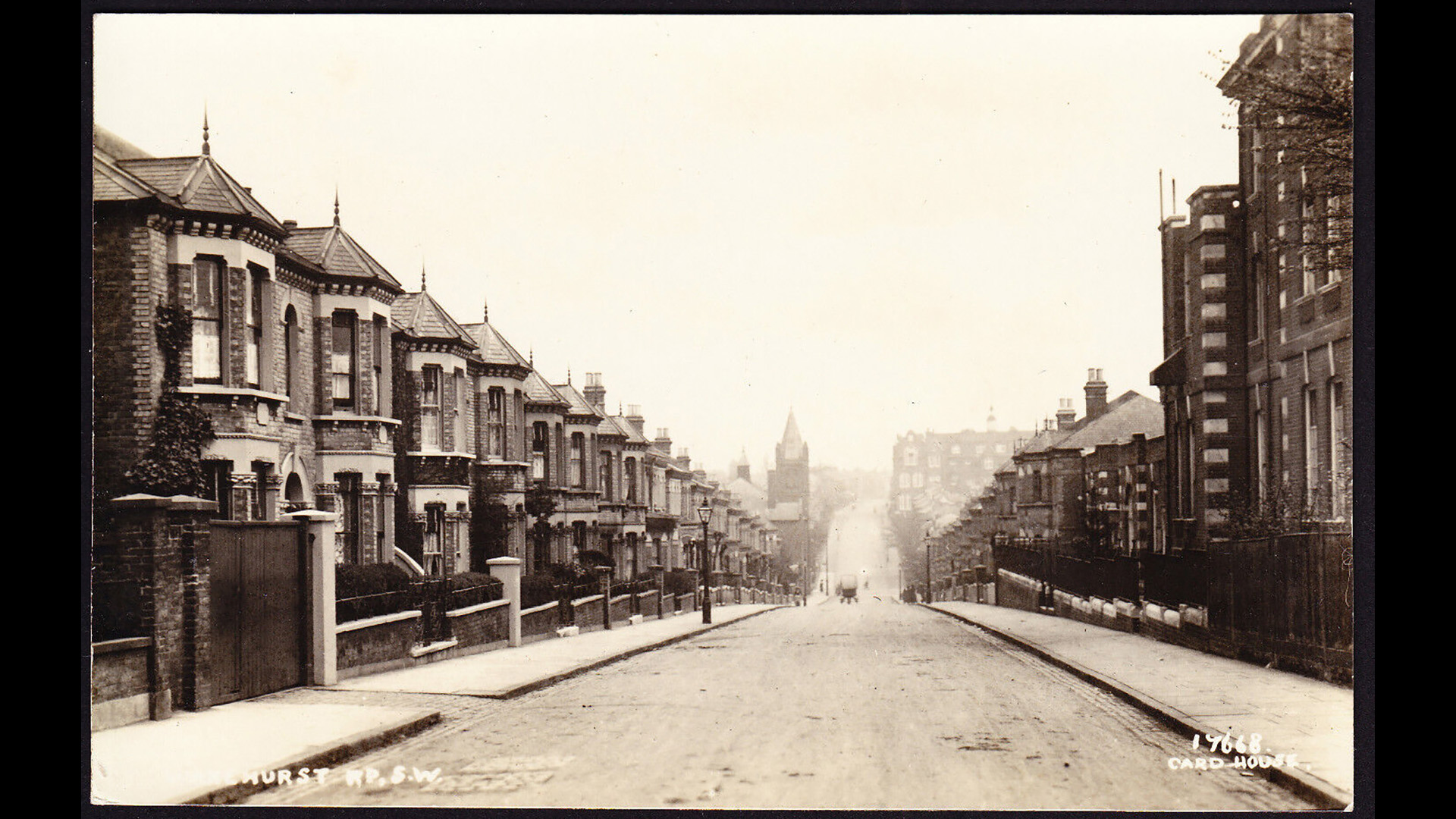
Here's another view:
Notice in the distance, top right, Belleville School.
In about 1882 or 1883, Edward went to a fairly new Board School — "Belleville Road School" — in plain sight of his home on Wakehurst Road — it was in the other direction from the Common, and in every sense its diametrical opposite.
The freedoms associated with the Common were all denied him and all other children. Compulsory attendance, regular times, bells, supervision and control by adults, formal rules and restrictions, rote learning by endless repetition . . .
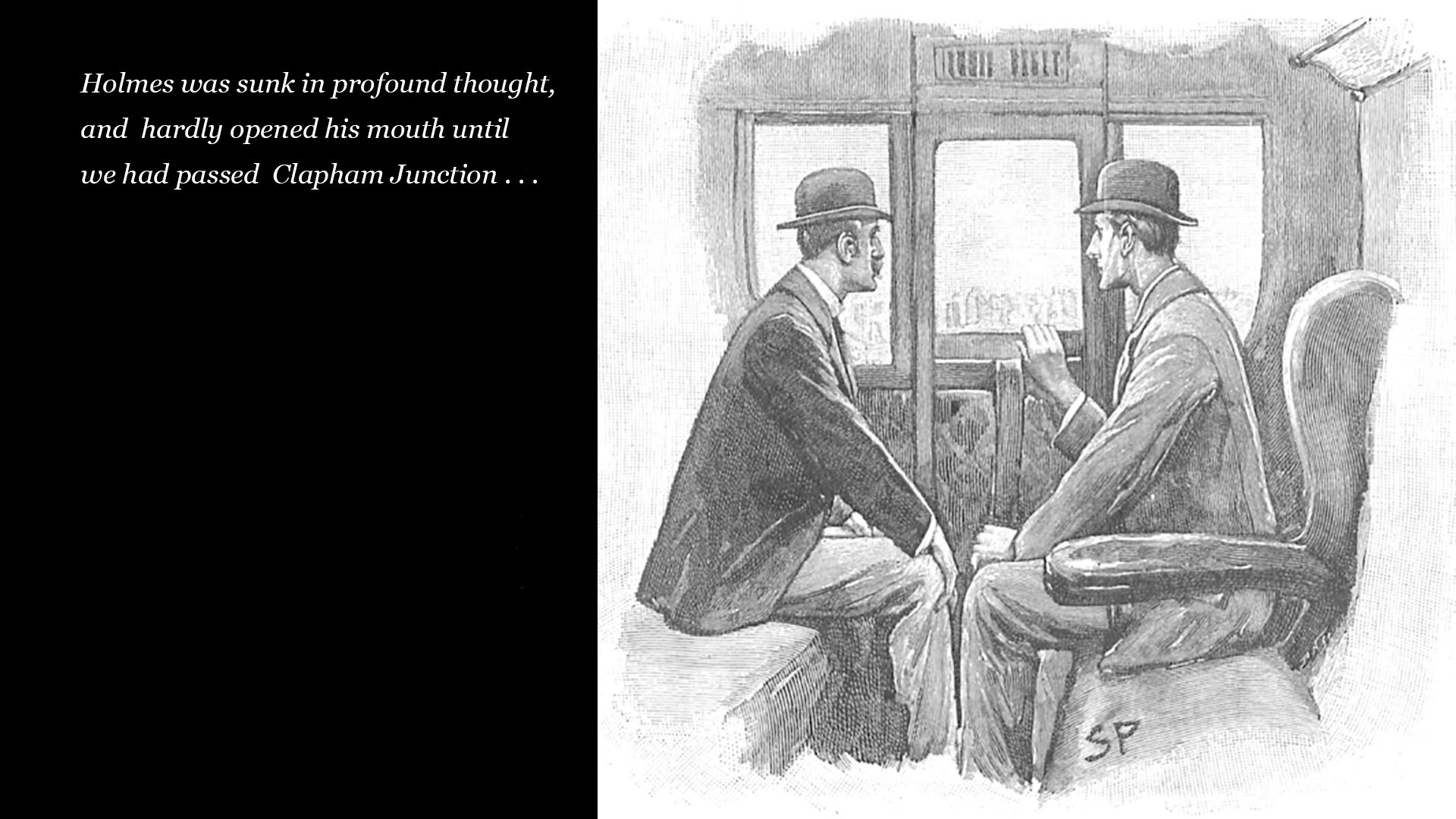
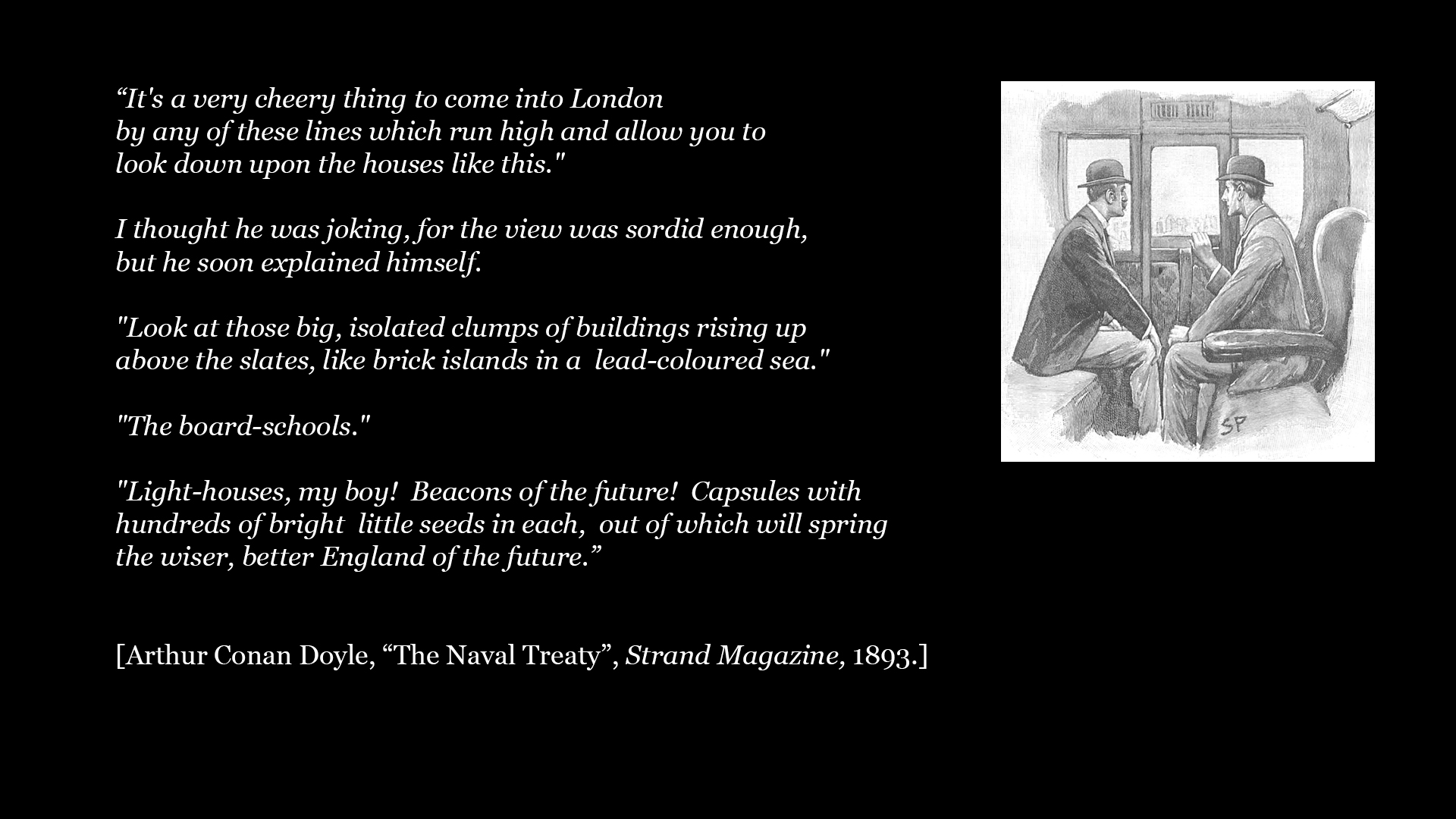
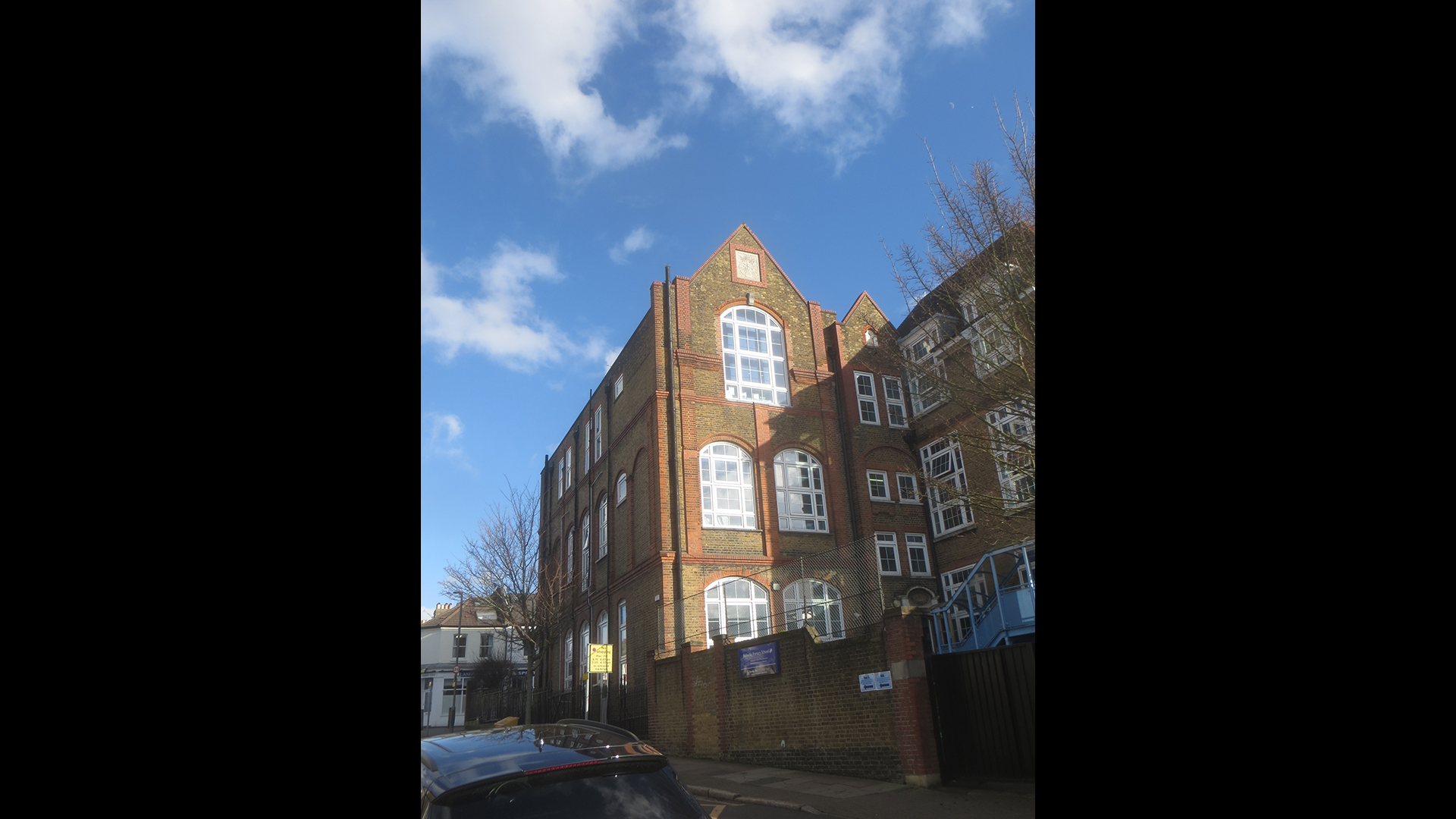
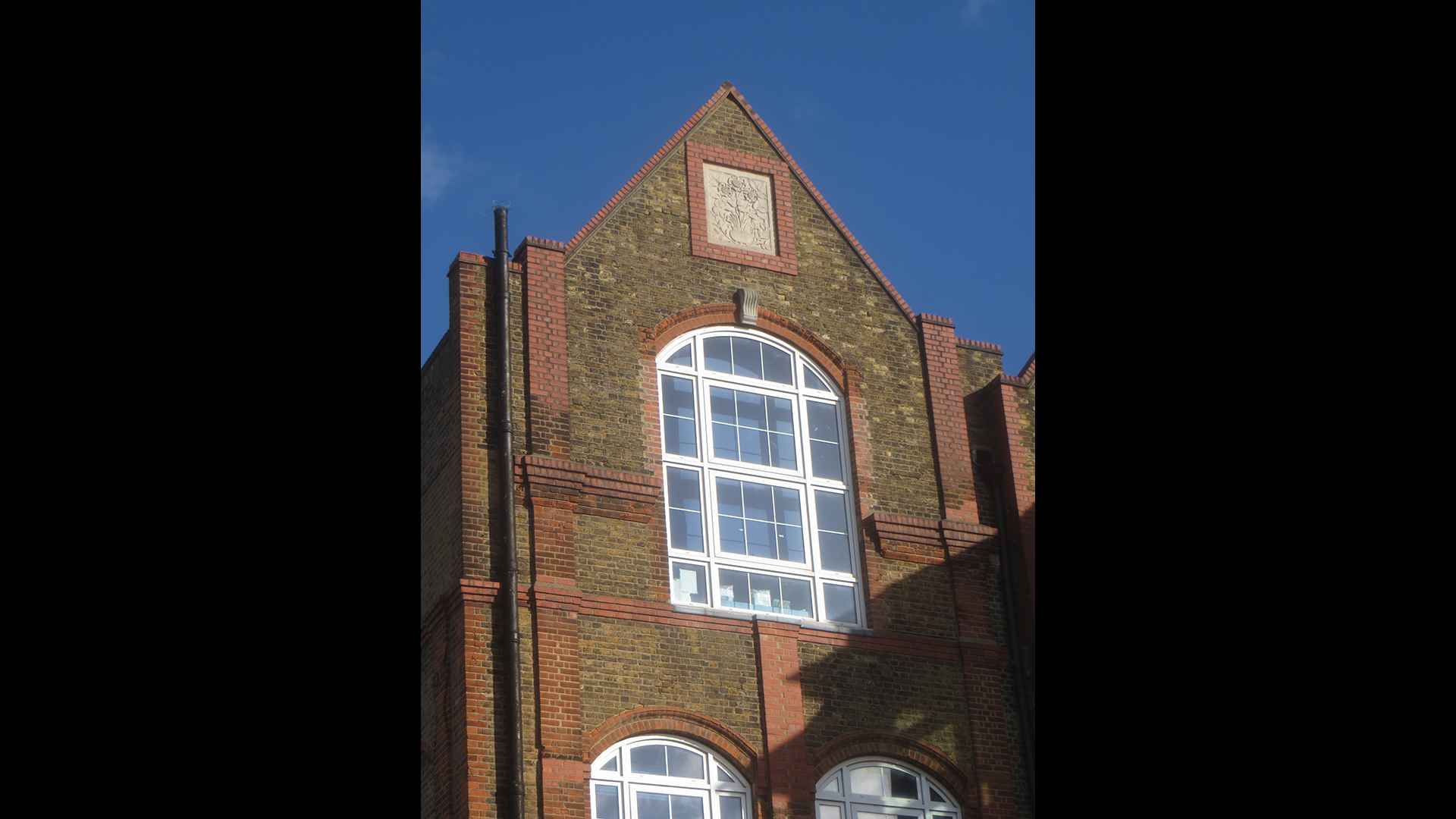
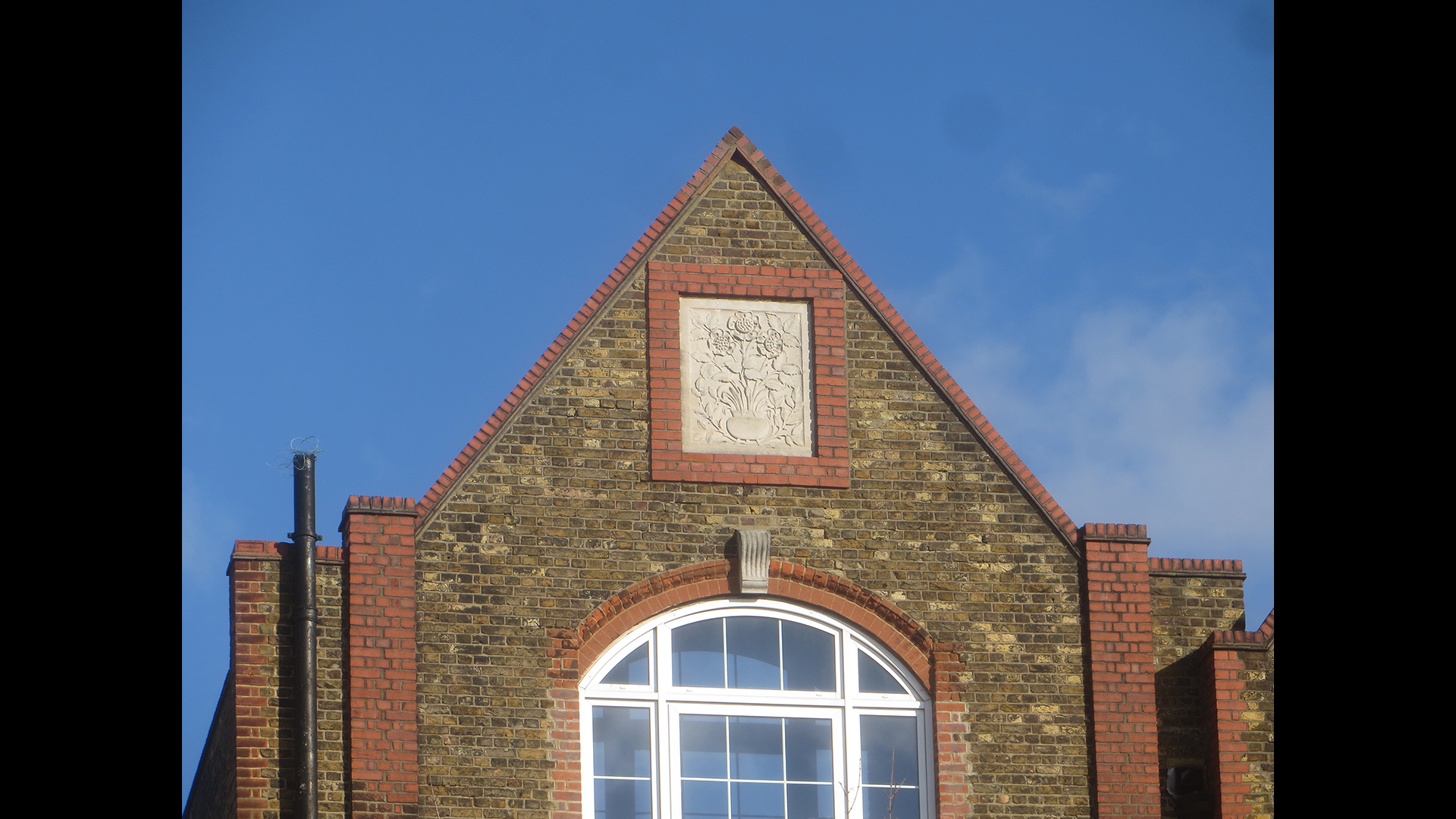
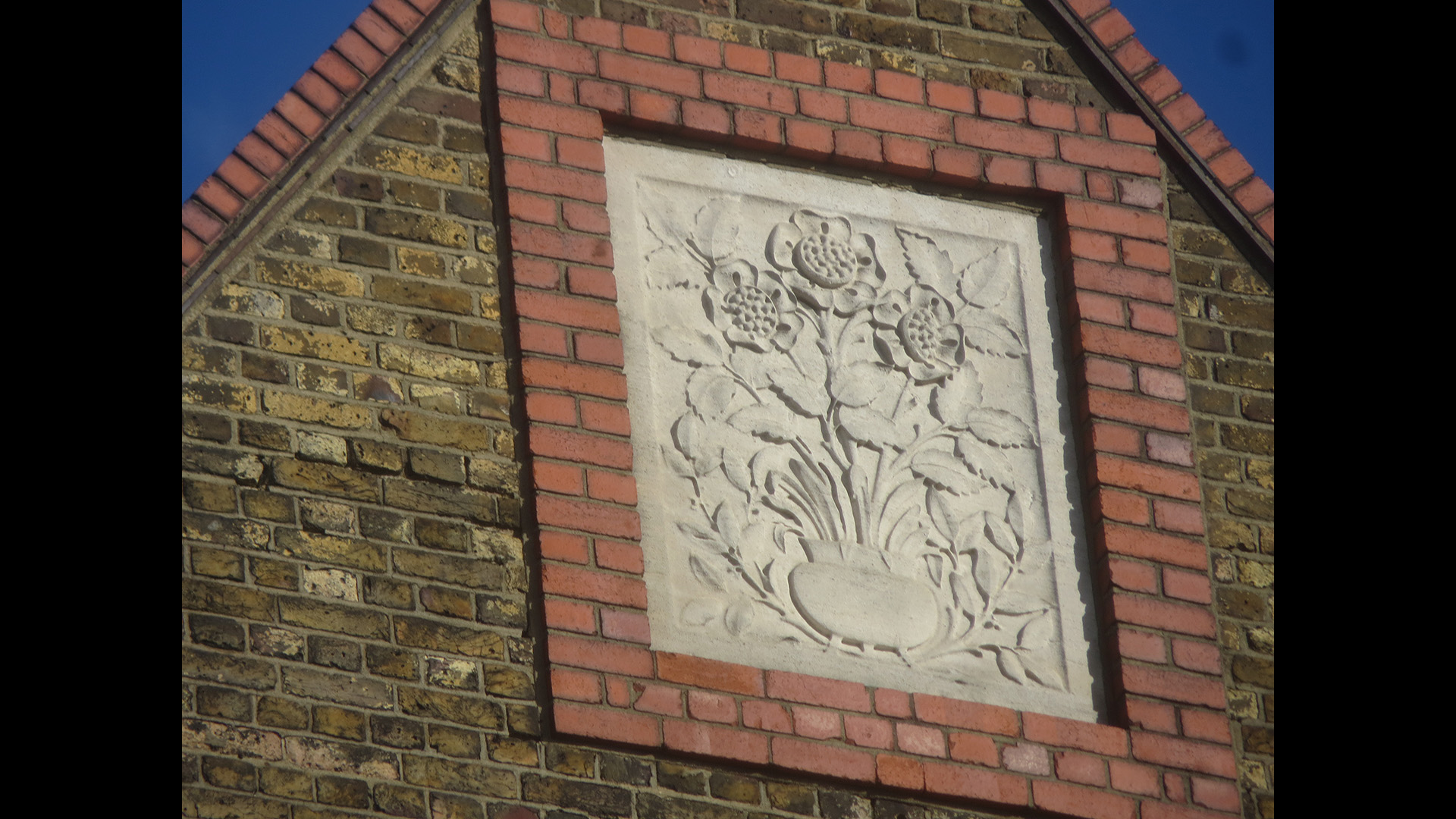
"Then I entered the lowest class of a large suburban board school . . . "
These "Board Schools" — typically "triple-deckers" built by the London Board School — were still very new, the product of the 1870 Education Act wherever private, charity and church provision was insufficient or too costly.
They promised to transform young people, and indeed create a whole new world.
[Sherlock Holmes — "Beacons of Light.]
Belleville Road School opened in ????.
[Board Schools were nearly always named after the road they were situated on. I believe the renaming of schools only took place after the second world war. Hence, Beatrix Potter School, which I entered in 1954, was simply "Magdalen Road", and Earlsfield, was "Tranmere Road". "Belleville" and "Honeywell were blessed with road names that already sounded distinctive and rather lovely, so they stayed almost the same.]
Edward started in a mixed-sex infant class, with a female head and teachers. And then at about age 8 (I suppose) moves into an emphatically all-male environment (even within the same building) — boys and masters only.
[Just as it was when I was at school.]
He describes his class-mates, his teachers, the building and the classrooms, the big windows, the daily rituals, the smells:
When I think of school I smell carbolic soap. I see the caretaker by the wall of one room ringing the bell. I deposit my weekly fourpence on the master's desk. I go round, as a privilege, filling the scores of inkpots from a tin with a long thin spout. I join in the one-verse hymn before and after lessons. I see large light bare rooms with a map or two, and boys in long parallel desks facing a master; for we were soon separated from the girls. We repeated aloud "Witney on the Windrush manufactures Blankets". We learned the names of the tributaries of the Thames for ever and ever.
[Do you remember filling the inkwells? Do you remember the double curved spout?]
"What I most enjoyed was doing maps of Great Britain and Ireland, inking in the coast lines with red, and marking the mountain ranges with thin parallel strokes arranged herringbone fashion. I never tired of the indentations of the western coasts, especially of Scotland. The line of the Hebrides I think I actually loved."
One day, he will instruct his fellow-soldiers how to read maps.
He mentions the smell again, and his effortless achievements:
We were huddled close together in great lofty rooms with big windows and big maps and on Mondays a smell of carbolic soap. Addition, subtraction, multiplication, parsing, were easy to me, and I did them pretty well. Sometimes things were tediously easy to me, sometimes I took a pleasure in overcoming what looked hard and of course in earning praise, reward, a superior position.
Edward returns time and again to his feelings about children, particular girls.
There is often something of DH Lawrence about his descriptions. Not explicitly sexualised, but charged:
I knew boys and girls in several of the streets parallel to ours or crossing it. One or more of them was with me when I found myself somehow on the forbidden side of a black fence which divided the back gardens of one street from a meadow and cut short another street; there were trees and cows in the meadow, and a small pond not far from the fence. With one of these friends, a girl, I went home once and in her back garden I first saw dark crimson dahlias [4]and smelt bitter crushed stalks in plucking them.
[Edward and Helen knew Lawrence.
]Of his young classmates at Belleville, Edward writes:
There were some boys and more girls whom I desired and sometimes struggled to sit next; and at least two whom I avoided. One a poor dirty girl without eyelashes who came from an old hovel at the top of one of the poorer and older streets, and has lent a certain disrelish ever since to the name of "Lizzie’; the other was a boy whom I had seen charging at his desk with his head lowered, like a bull.
[Childhood, pp.14-15.]
["one of the poorer and older streets" — possibly Chatham Road?]
Edward continues:
Their faces are invisible to me all except one: I can say only that some were fat and the eyes narrow, and that some girls had dark hair, others fair.
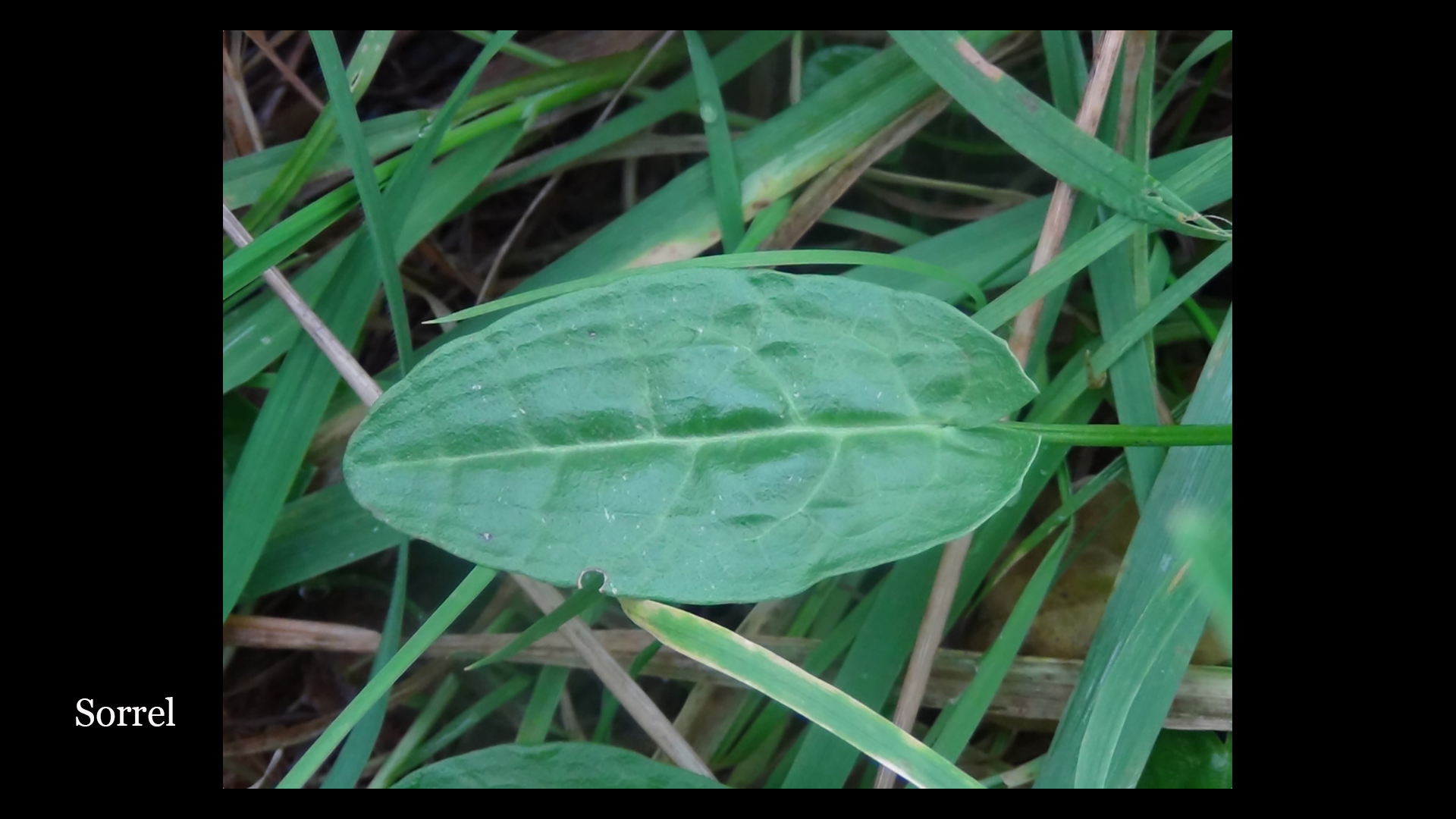
The one that I can see has black curly hair, dark eyes and cherry lips; and she is smiling: her name was Tottie Armour. We picked sorrel leaves and ate them among the gorse bushes on Wandsworth Common.
A railway ran across the Common in a deep bushy cutting, and this I supposed to be a natural valley and somehow peopled it with unseen foxes. The long mounds of earth now overgrown with grass and gorse heaped up at my side of the cutting from which they had been taken were "hills" to us, who wore steep yellow paths by running up and down them.
"The one that I can see has black curly hair, dark eyes and cherry lips; and she is smiling: her name was Tottie Armour. We picked sorrel leaves and ate them among the gorse bushes on Wandsworth Common."
I must admit I became rather obsessed with Tottie.
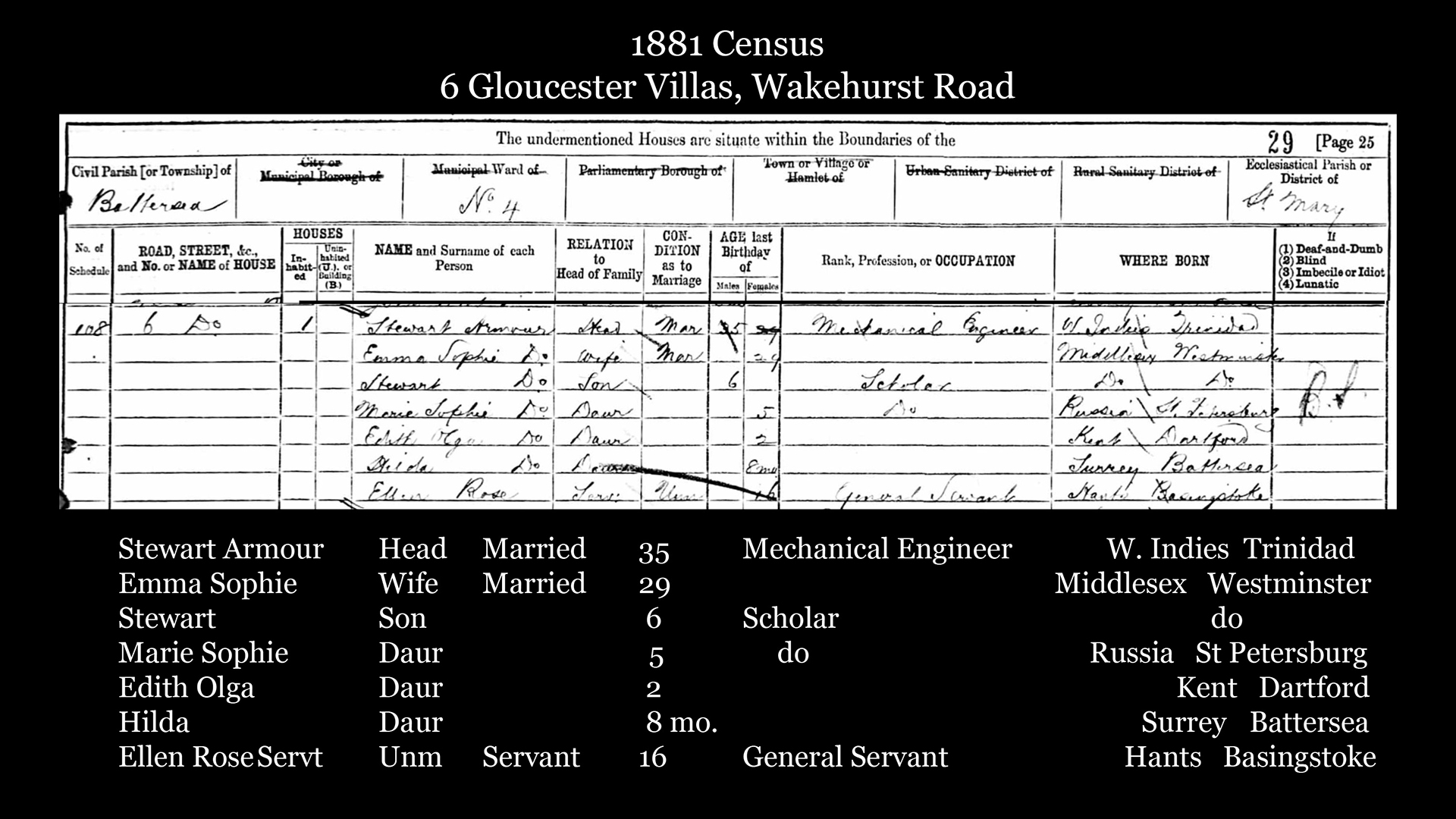
"Tottie Armour" — what do you think "Tottie" was an affectionate name for?
I assumed at first that Edward had made her up. But no. Here is her family in the 1881 Census — on Wakehurst Road!
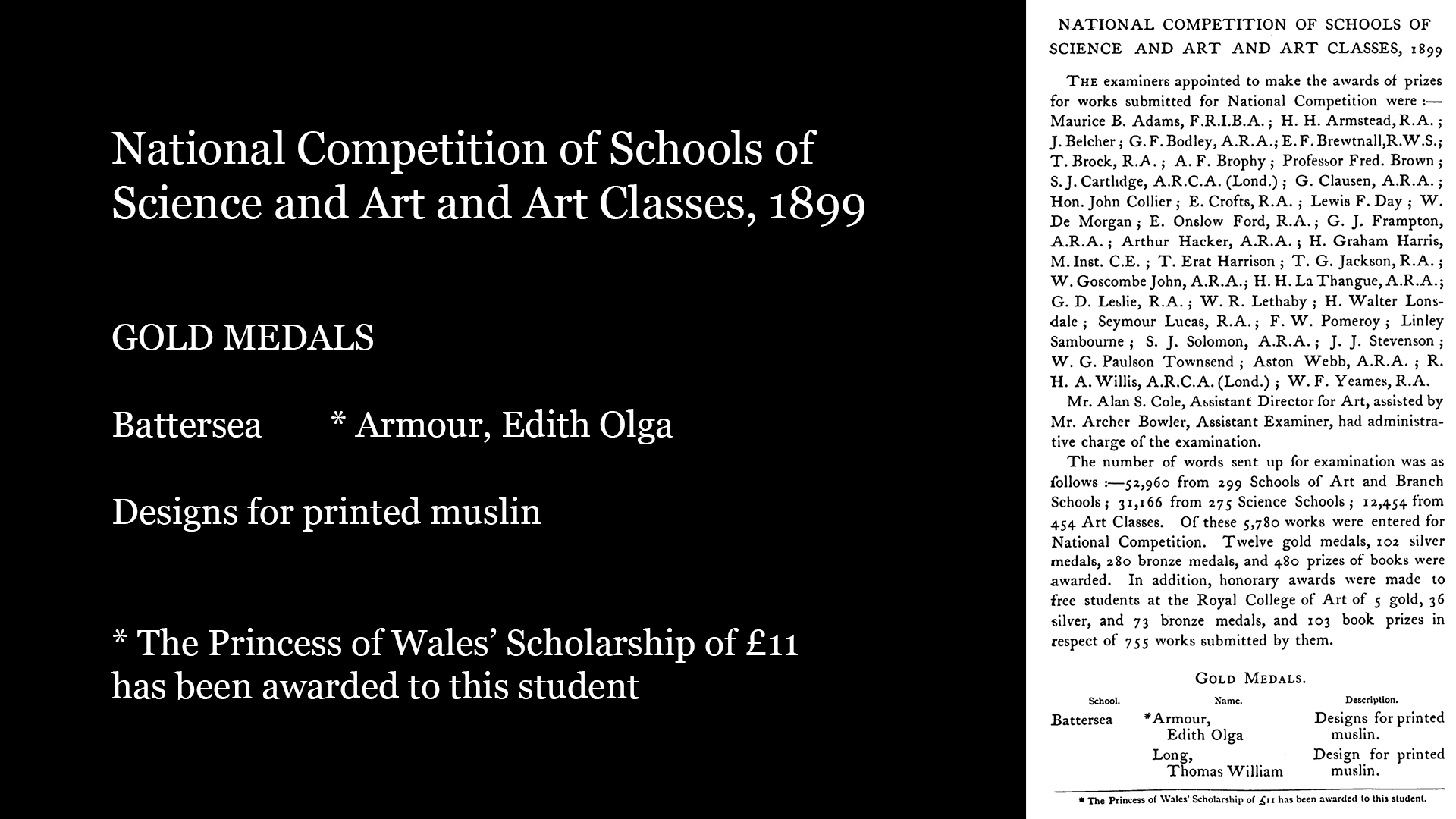
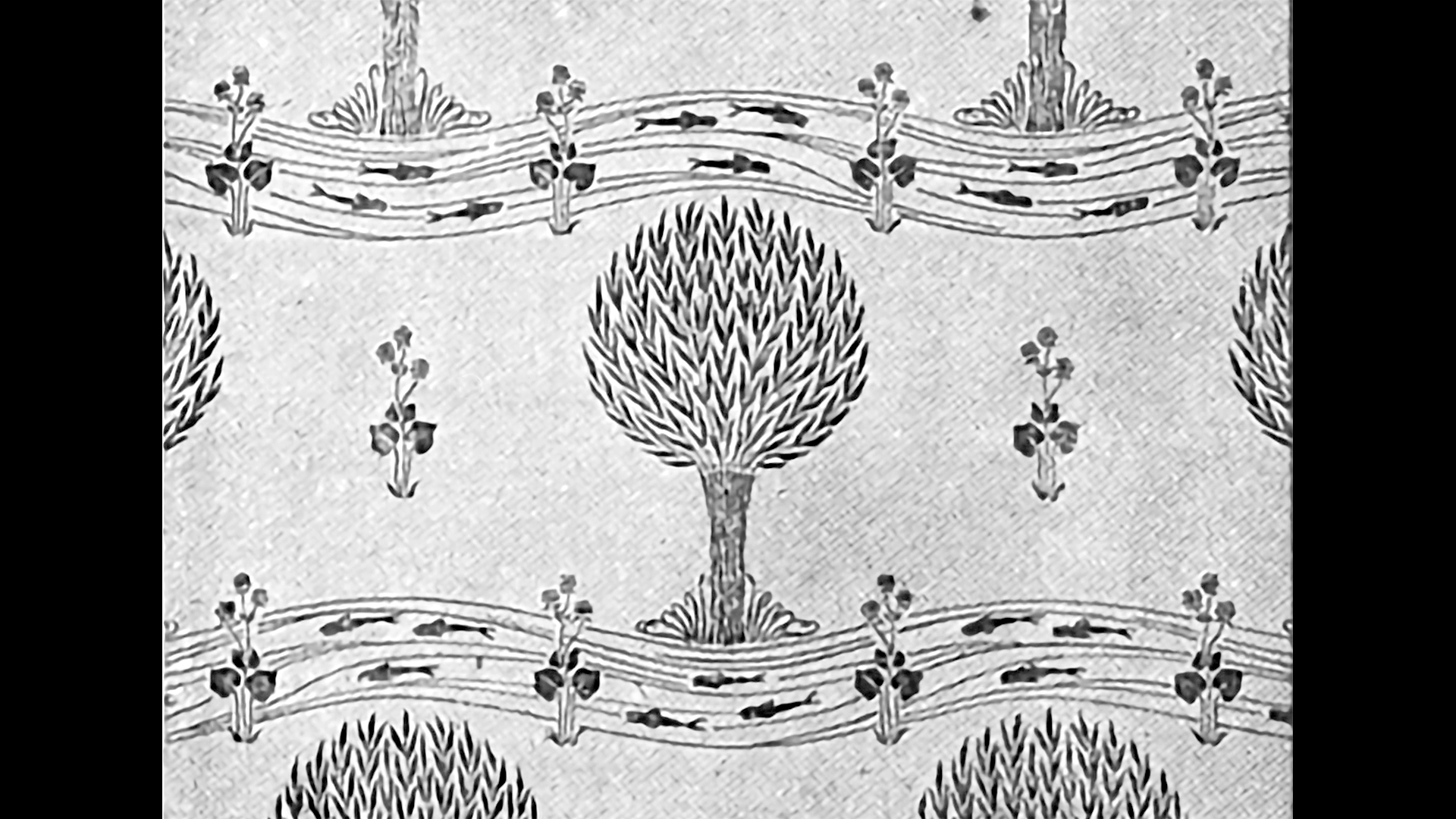
I found Tottie — Edith Olga Armour — again in 1899. She has just won a prestigious gold medal in the National Competition of Schools of Science and Art for design for printed muslin. There is a substantial publication recording the fact, in which her name is mentioned a number of times. There is even a photograph of her winning work.

So whatever happened to Tottie Armour?
If you do an internet search, you'll come across a small collection of her work, shown in colour, on the website of the Museum of Applied Arts, Budapest:

Notice the use of natural forms (as by William Morris's protegee and close associate, the designer John Henry Dearle, who was living nearby in Balham or on the other side of the Common at exactly this time.)
I know a bit more about Tottie, but of that another time, perhaps.
[According to Benedict Mackay: "Thomas graduated from the Infants to the Junior section in 1886, staying till early 1888. His father, solicitous for his elder son's future, then moved him to the private St John's Hill House School, from where he went, aged 12, to Battersea Grammar School and, at 15, to St Paul's, London."]
But the most important feature of this house in Edward Thomas's life story lies in the opposite direction — in its proximity to Wandsworth Common, a couple of hundred yards away, as we shall see later.
A little later, there's another girl, Mabel Looms, who he associates with the Common.
Here's a wonderful recollection of Christmas Day on Wandsworth Common more than a century ago, featuring a sword and Mabel Looms (who lived on Broomwood Road).
Whose recollections? Where did he live? Which school did he and Mabel attend?
To add to the festive fun, I've interspersed the text with some wonderful images of swords, all by the same (local) artist.
Who painted the images? And which stories do they depict?
ONE CHRISTMAS MORNINGI woke up and felt a long lean smooth straight cold thing with straps at my bedside. It had a handle, and pulling that with one hand I brought out what I discovered to be a sword, while in the other hand was a scabbard.

The daylight came upon me still unsheathing and sheathing the sword, trying hard for the hundredth time to put it back the wrong way. As soon as I could I fastened the belt round my waist so that the sword hung on the right instead of the left side and went out alone.
The streets were empty. I was proud though without spectators. Once or twice the weapon caught between my legs. I marched up the street, crossed the road separating it from the Common and turned to the left between the elm-trees of Bolingbroke Grove, having the road upon my left, the Common upon my right.

At the top of one of the streets parallel to ours, but at that time divided from it by that big private meadow with the pond and elm-trees, I stopped and looked down. For there lived Mabel Looms, a schoolfellow whom I adored. She had had a Christmas card from me that morning.
The street was empty. I walked backwards and forwards along the Grove past the top of the street, waiting, sufficiently proud not to be overcome by long disappointment. How many times since have I waited thus for somebody, with a dog's patience. There began to be others in the streets.


At last Mabel came up towards the Common, in the company of some elders. Without a sign I continued walking backwards and forwards. They turned to their left at the top, away from our street. I turned in the opposite direction homeward, pleased with my swinging sword and believing that the passers-by admired it.

At home they knew well where I had been.
My attachment to Mabel lasted for several years and more than once after it had been broken I attempted to renew it. She was a perfect loving friend. I thought her beautiful. Her hair was light brown, her face round rather than a long face.

A year or two later, "I exchanged the Board-school when I was ten for a private school". Changing schools disrupted many of his social relationships. For a while he doesn't see Mabel.
Mabel and I had forsaken one another. If we met we smiled without words, without stopping.

[It's not entirely clear which school this was. Most biographers don't say, and the few that do say it was "St John's Hill House". Well, possibly. Such a school certainly existed at this time.
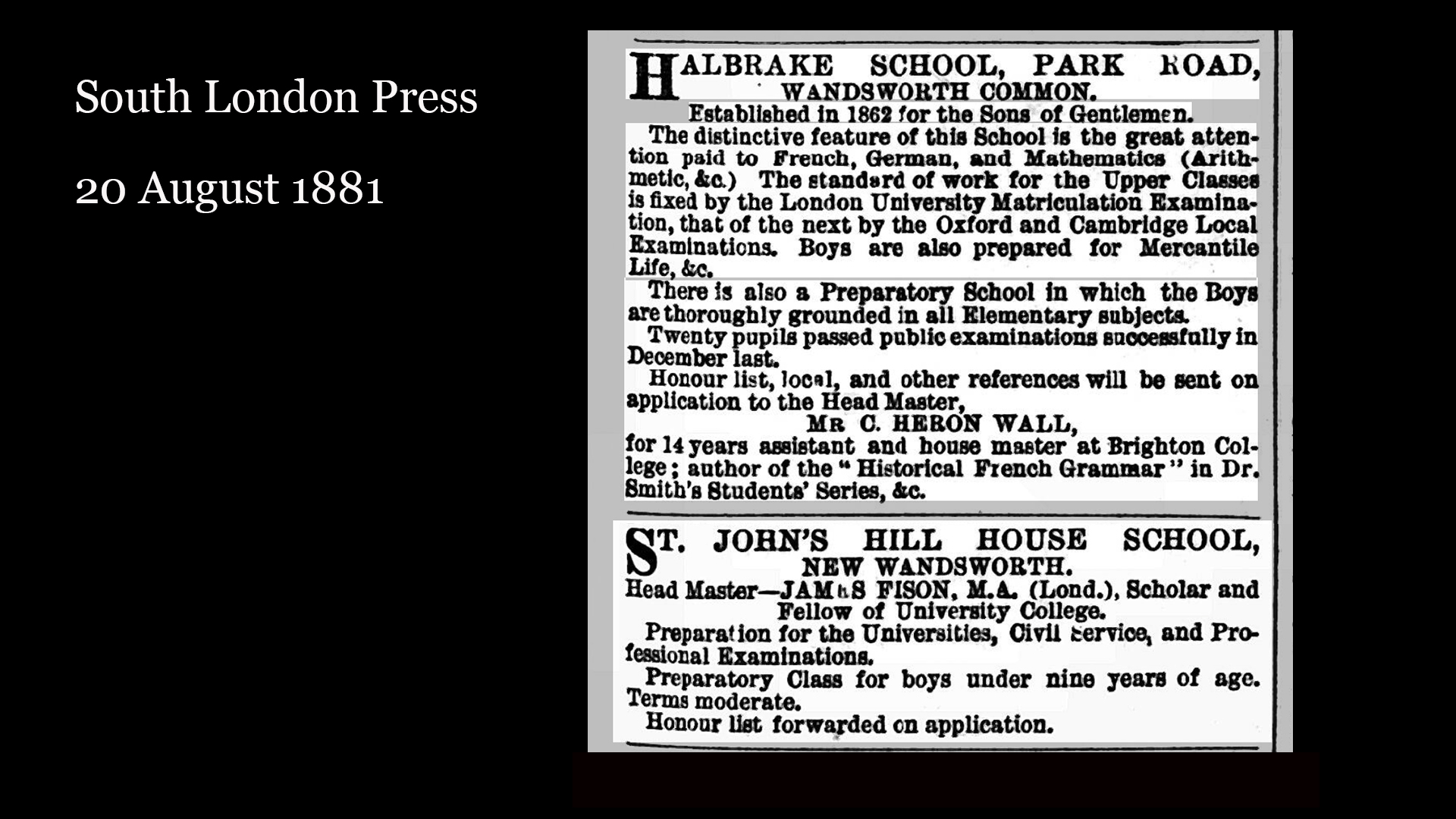
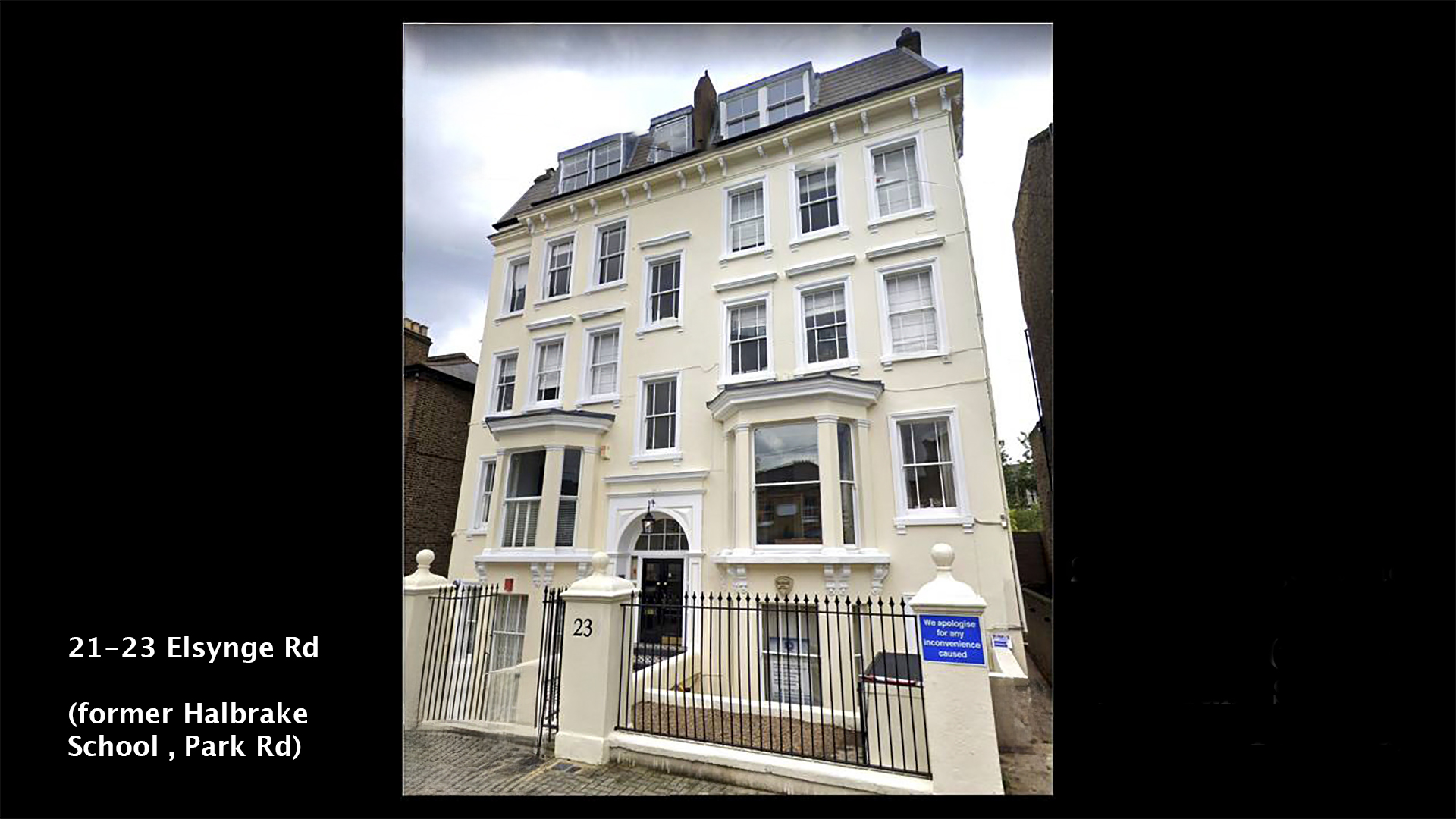
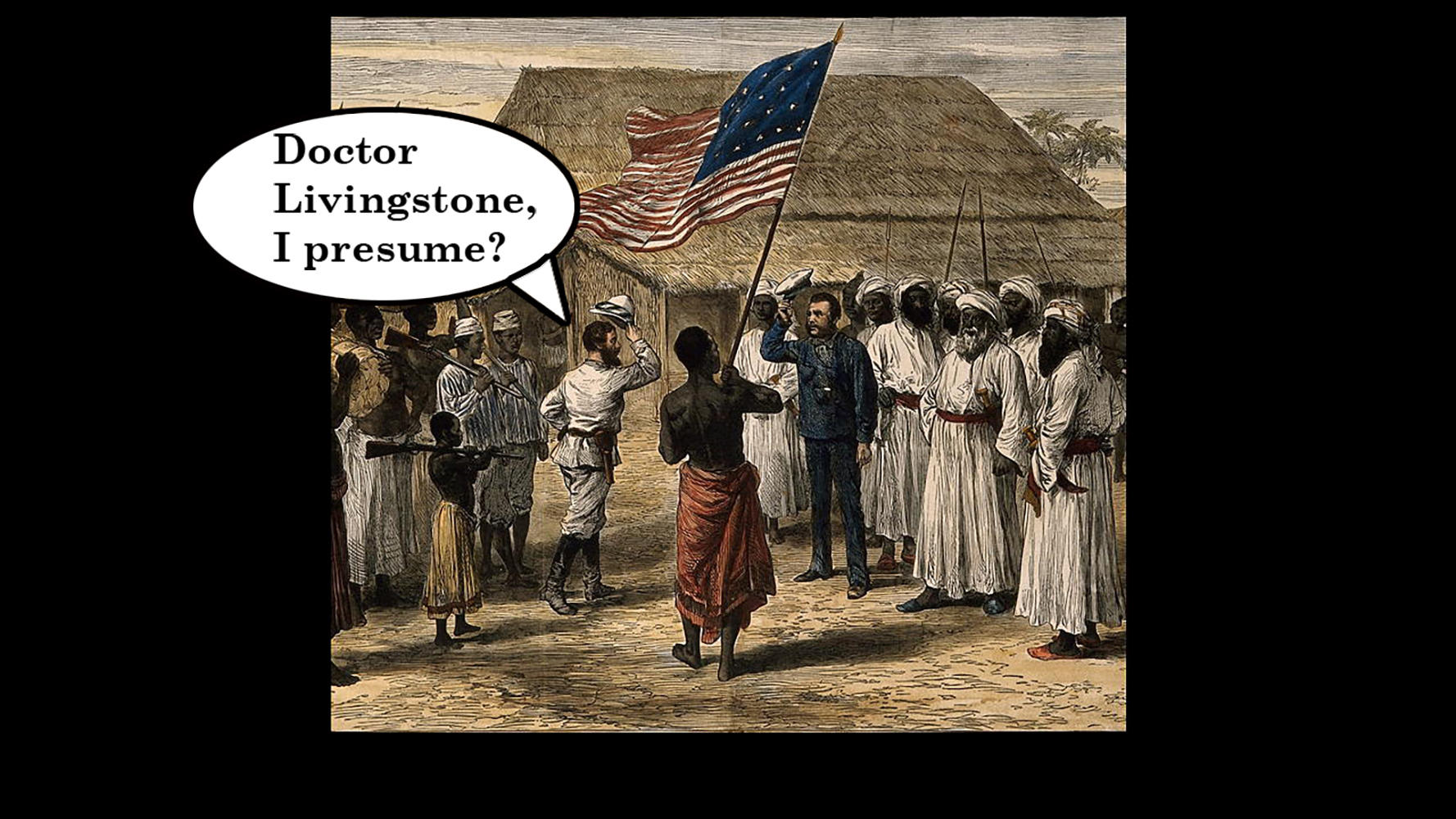
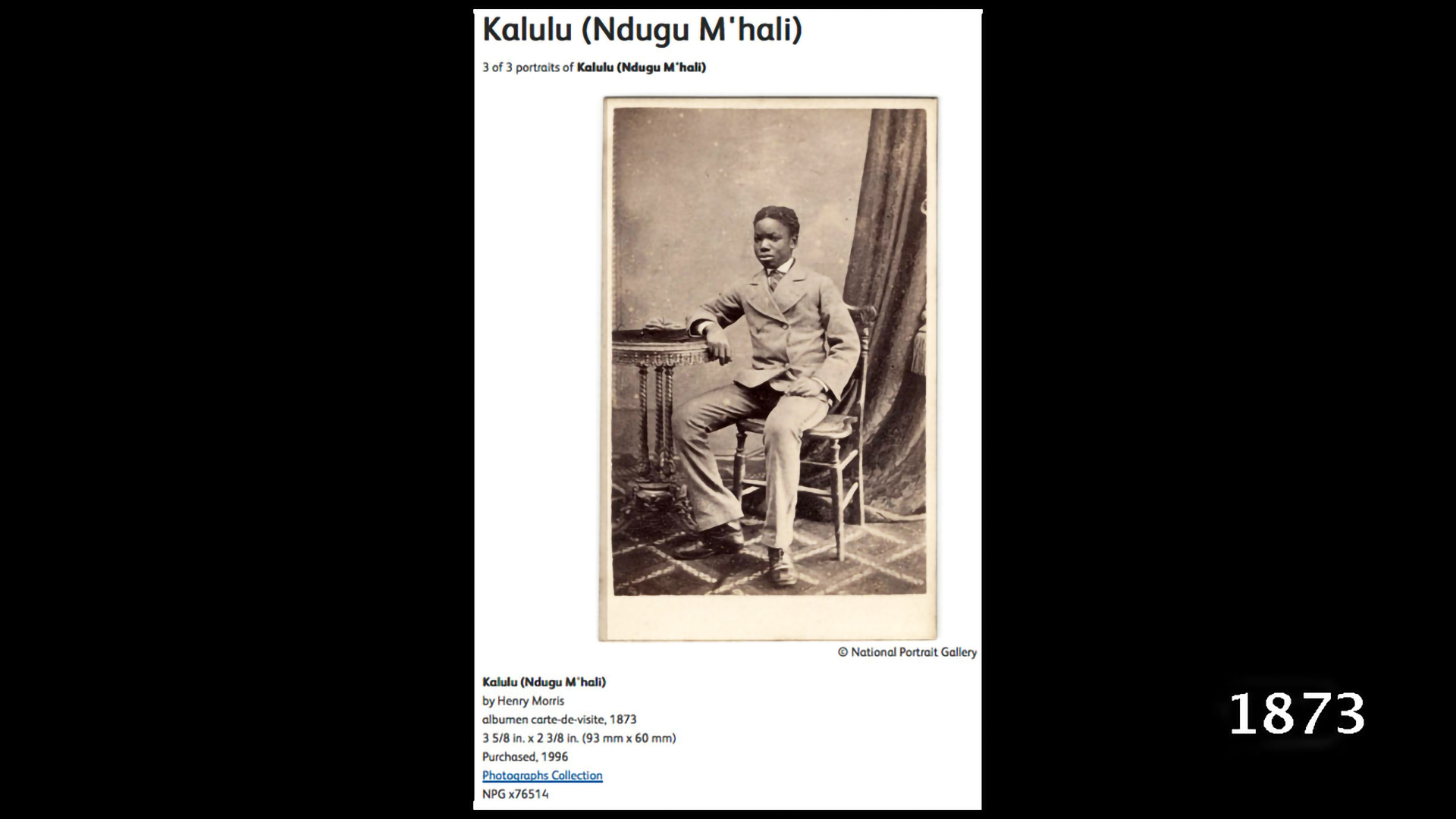
But I'm not so sure it wasn't Halbrake House, on Park Road (now Elsynge Road), which is where Henry Morton Stanley sent his ward Kalulu, the former young slave he brought over from Africa, in the 1870s.
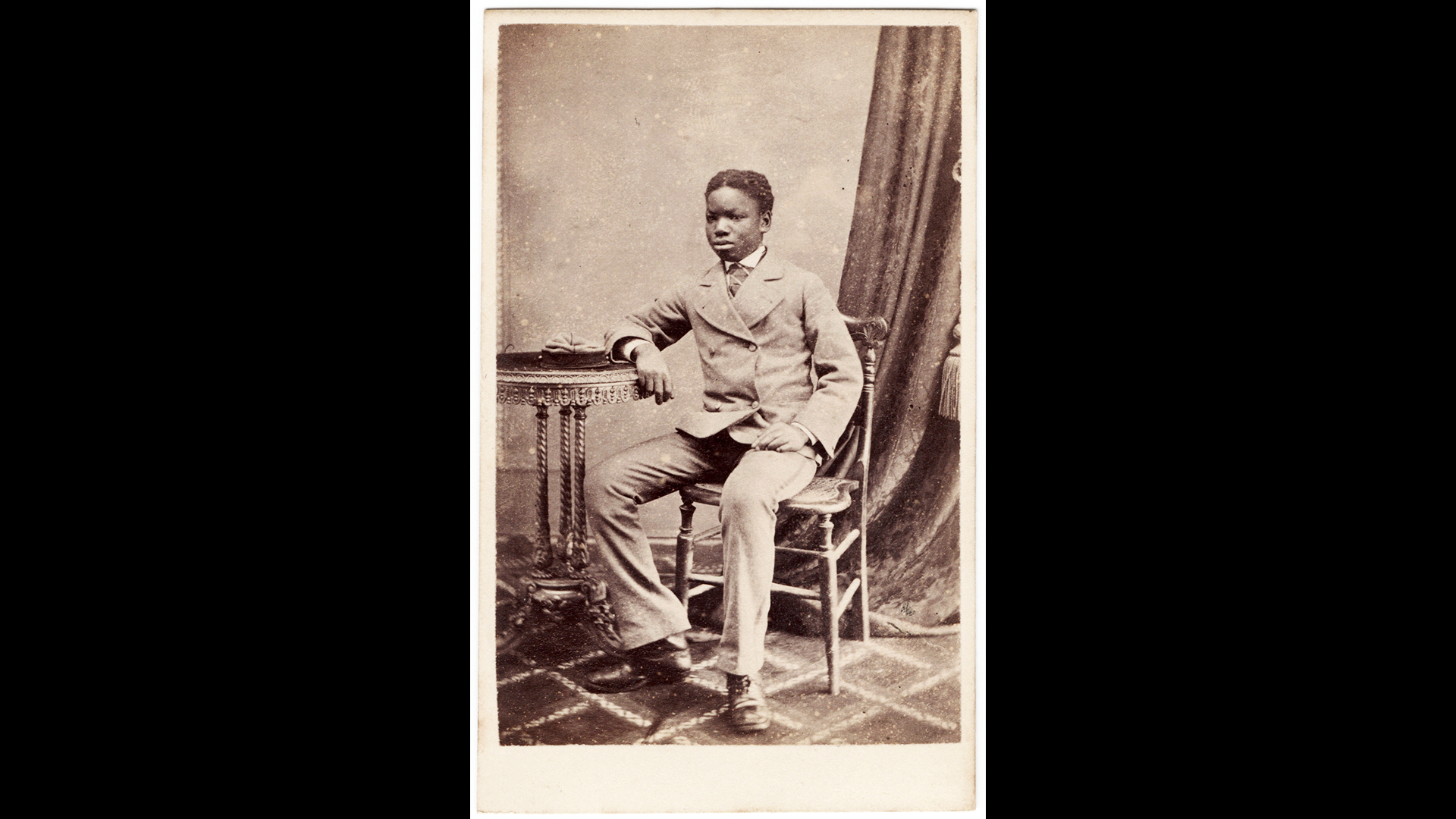
Here there were fifty or sixty boys of from ten to seventeen years of age, perhaps half of them boarders. They were the sons of tradesmen, professional men, moderately well-to-do clerks, and men of small independent means.
My companions were now boys exclusively. I had no sisters; my girl cousins I saw but two or three times in all my childhood; none of my friends had sisters of their own age; my father and mother had but a few close acquaintances, who rarely came to the house and hardly ever brought their children, boys or girls, with them.
After a short while Edward moved school again, having won a free scholarship. All the sources say this school as Battersea Grammar, but I think this cannot be right.
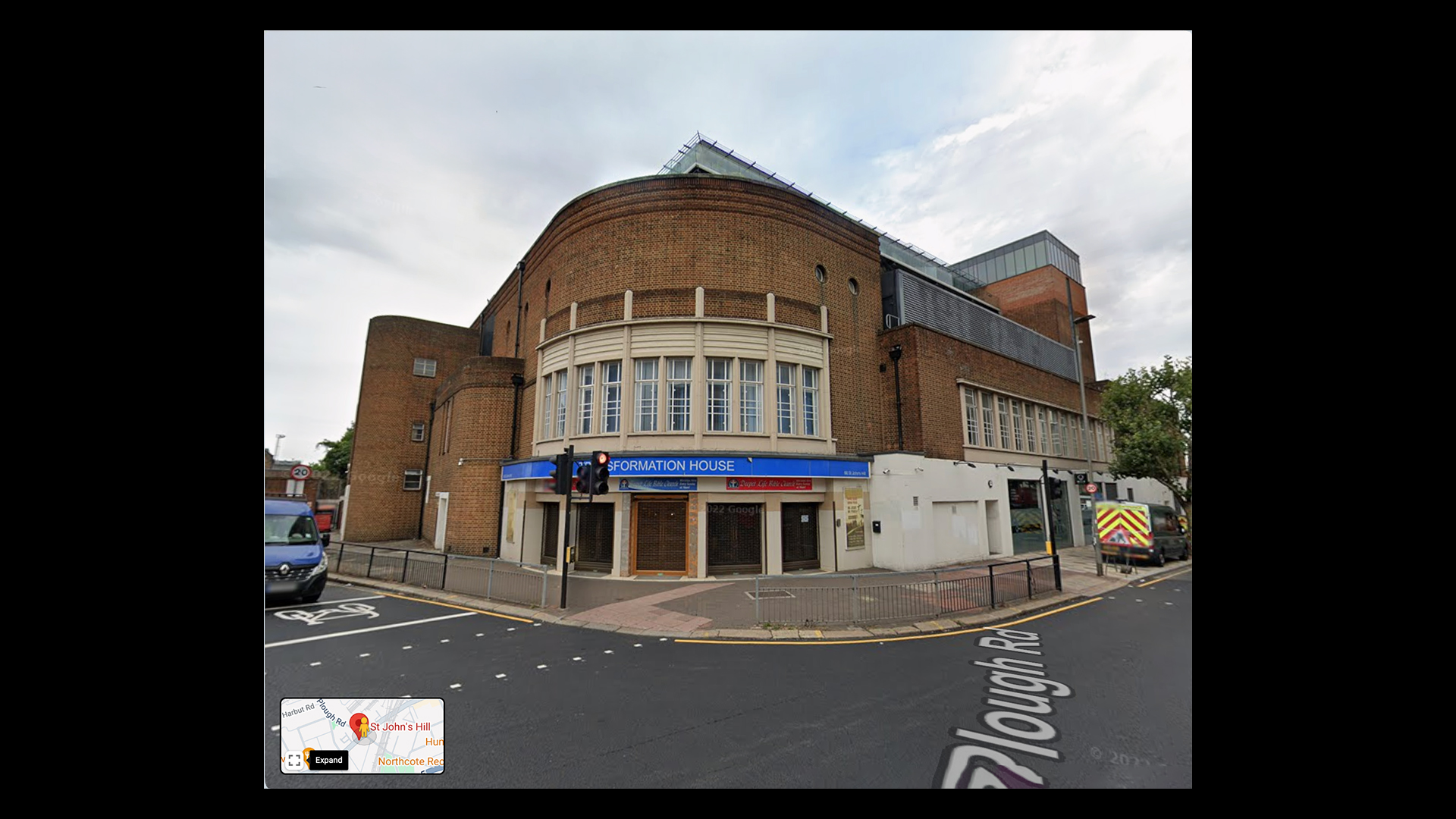
Battersea Grammar was at this time situated near Clapham Junction Station on St John's Hill (on the corner with Plough Road) — where the Granada Cinema was built in the late 1930s, and now a religious centre ("Transformation House).
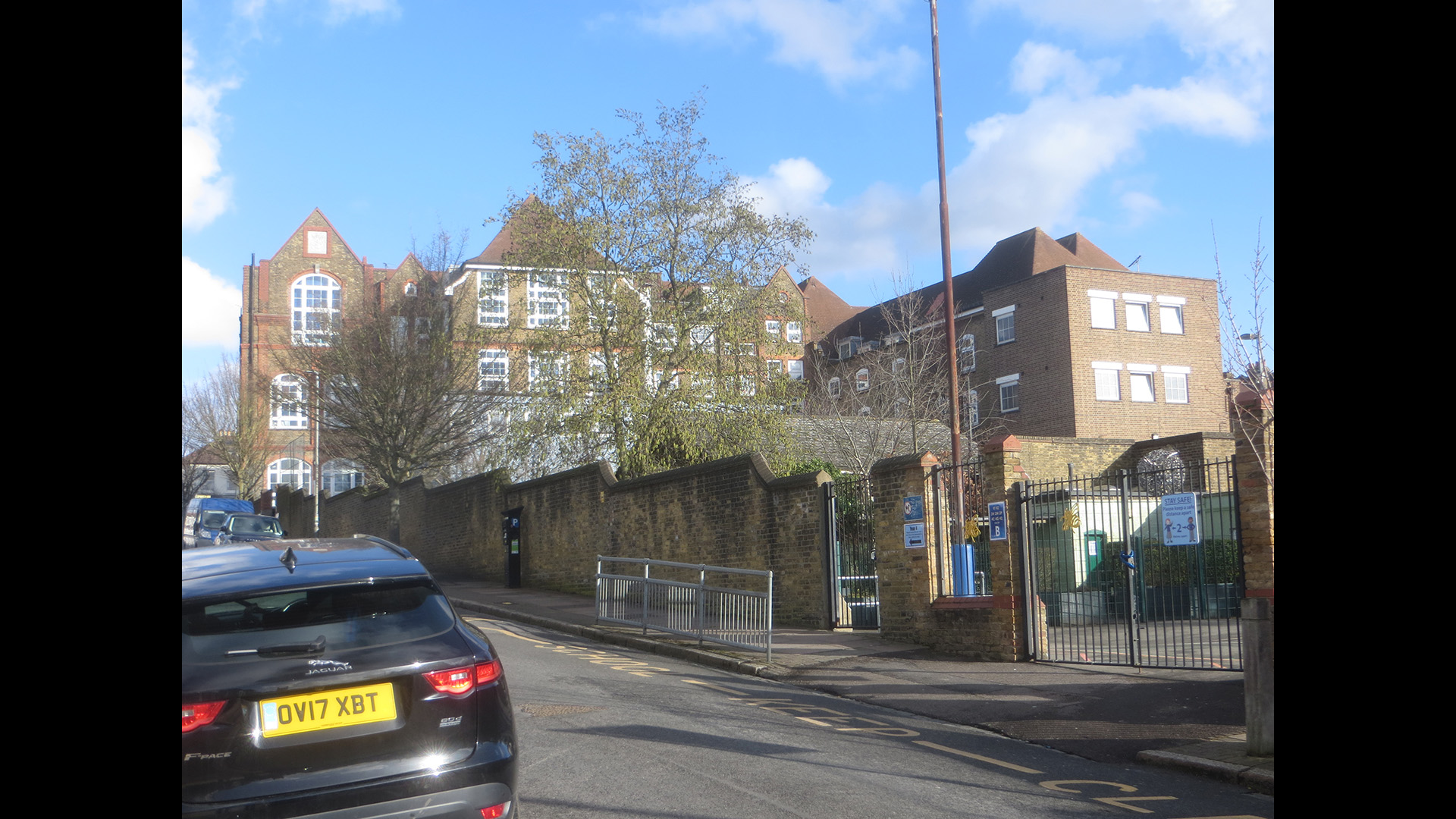
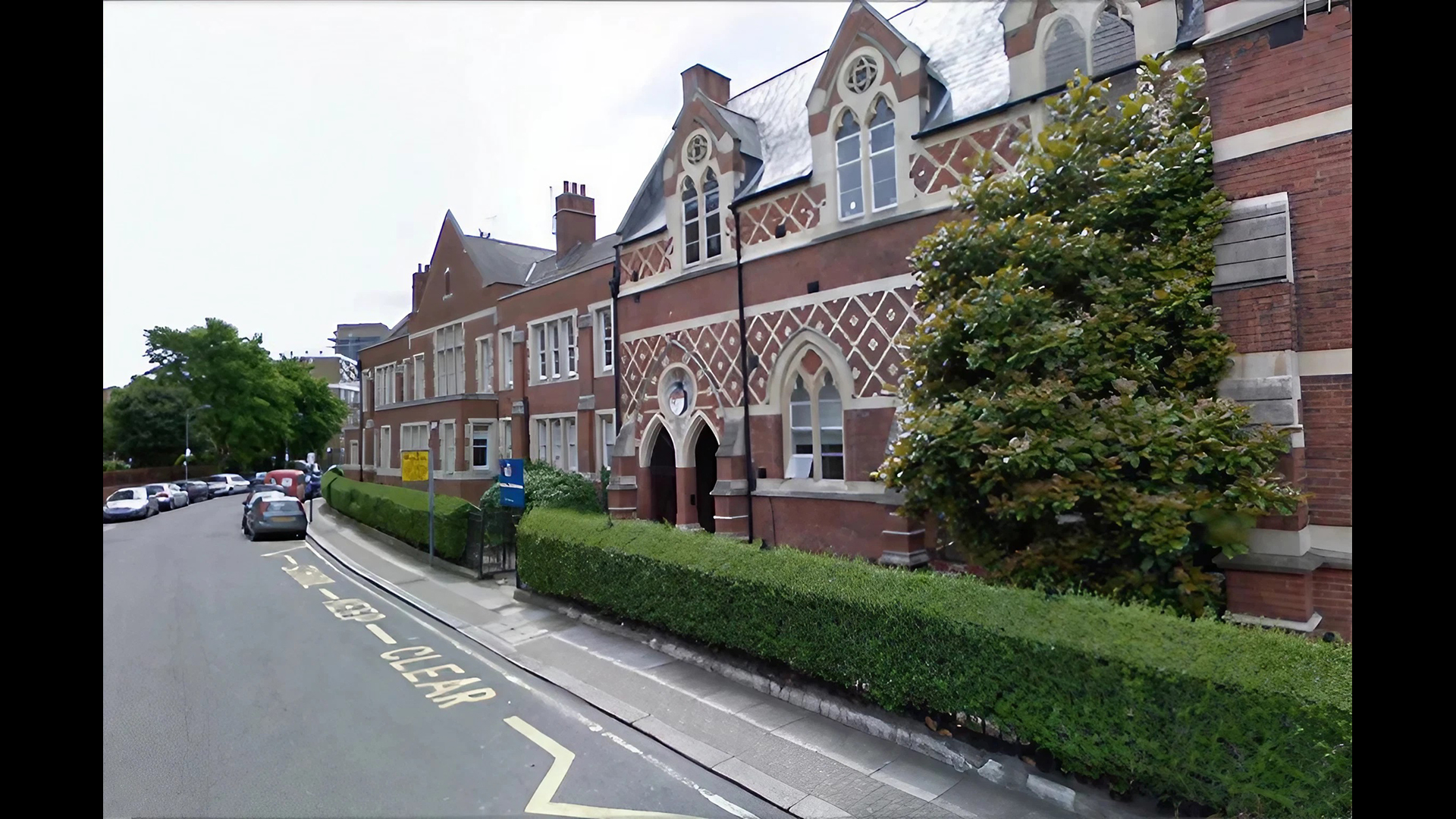
I'm pretty convinced it's Sir Walter St John's, near Battersea High Street — usually called Sinjuns.It now houses Thomas's London Day School.
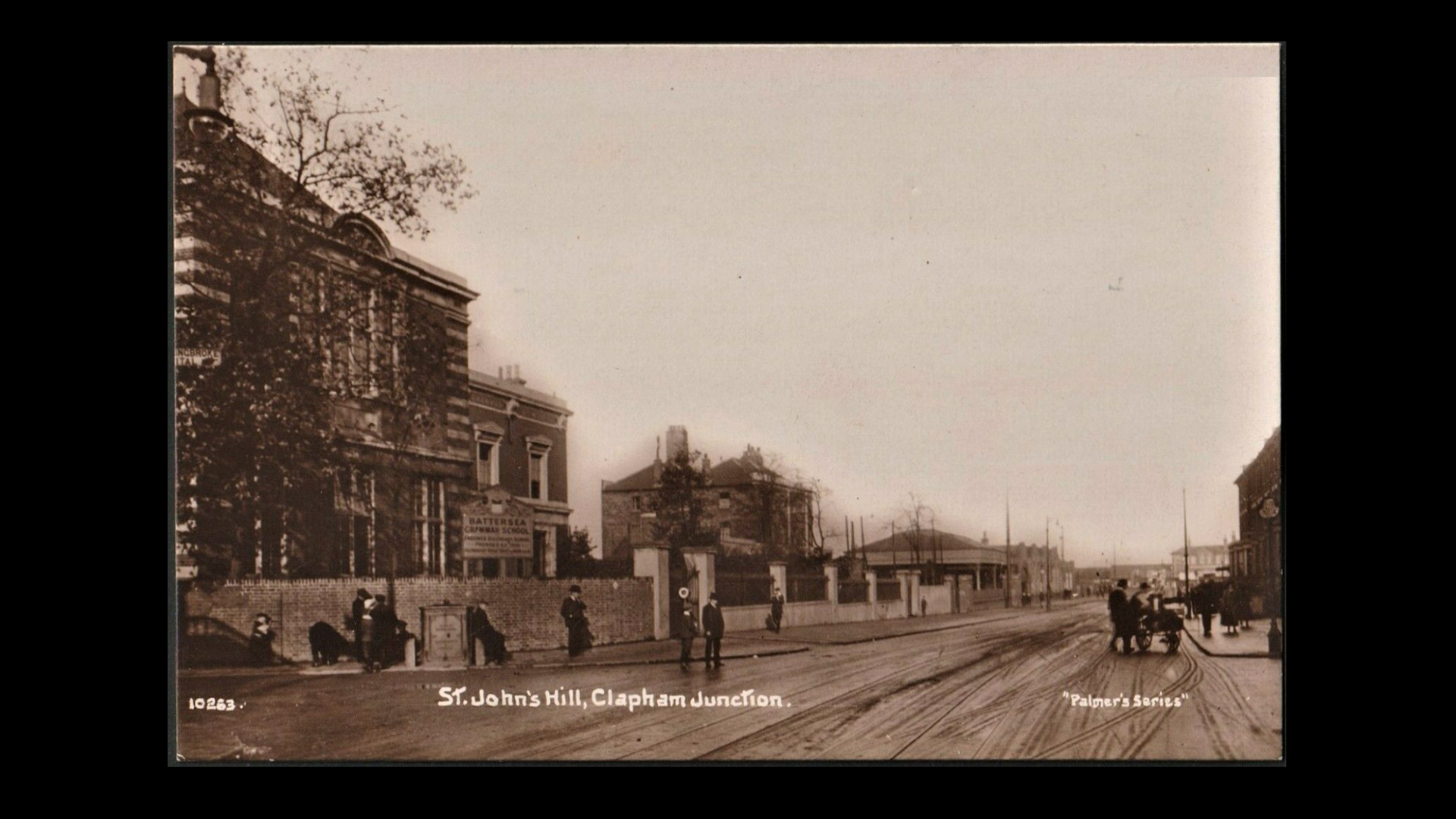
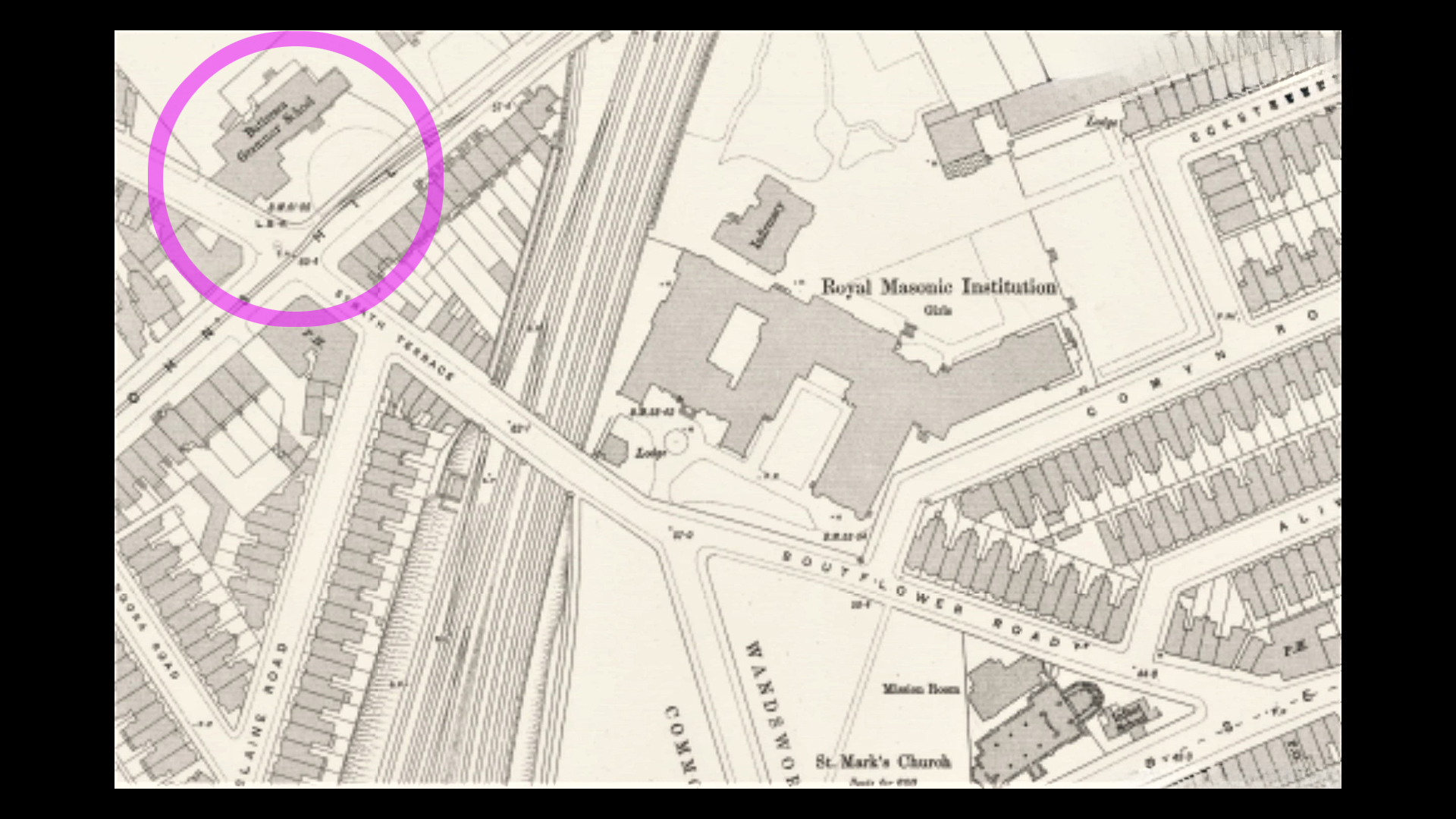
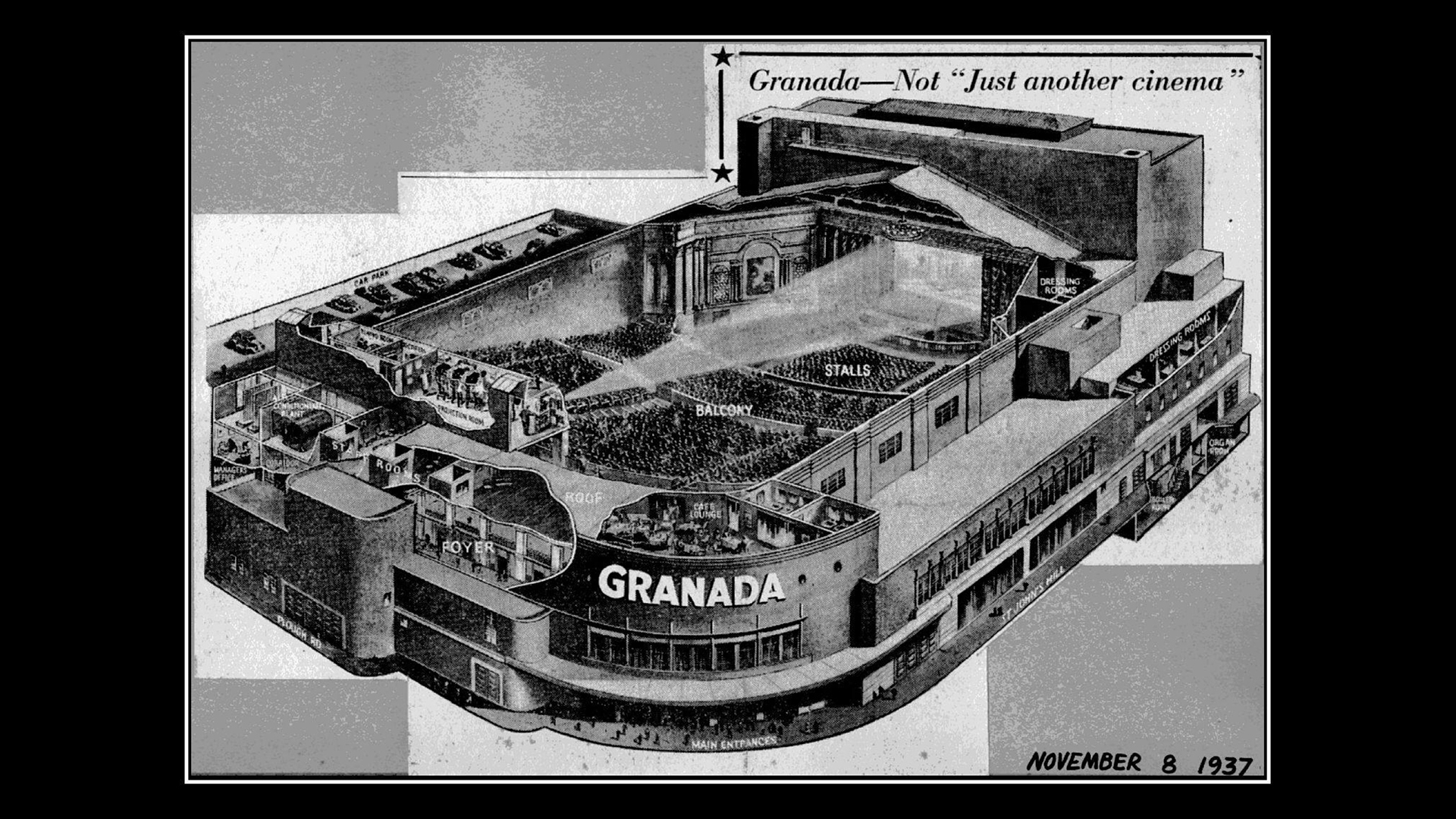
Here is a recent photograph of Sinjuns (now Thomas's London Day School):
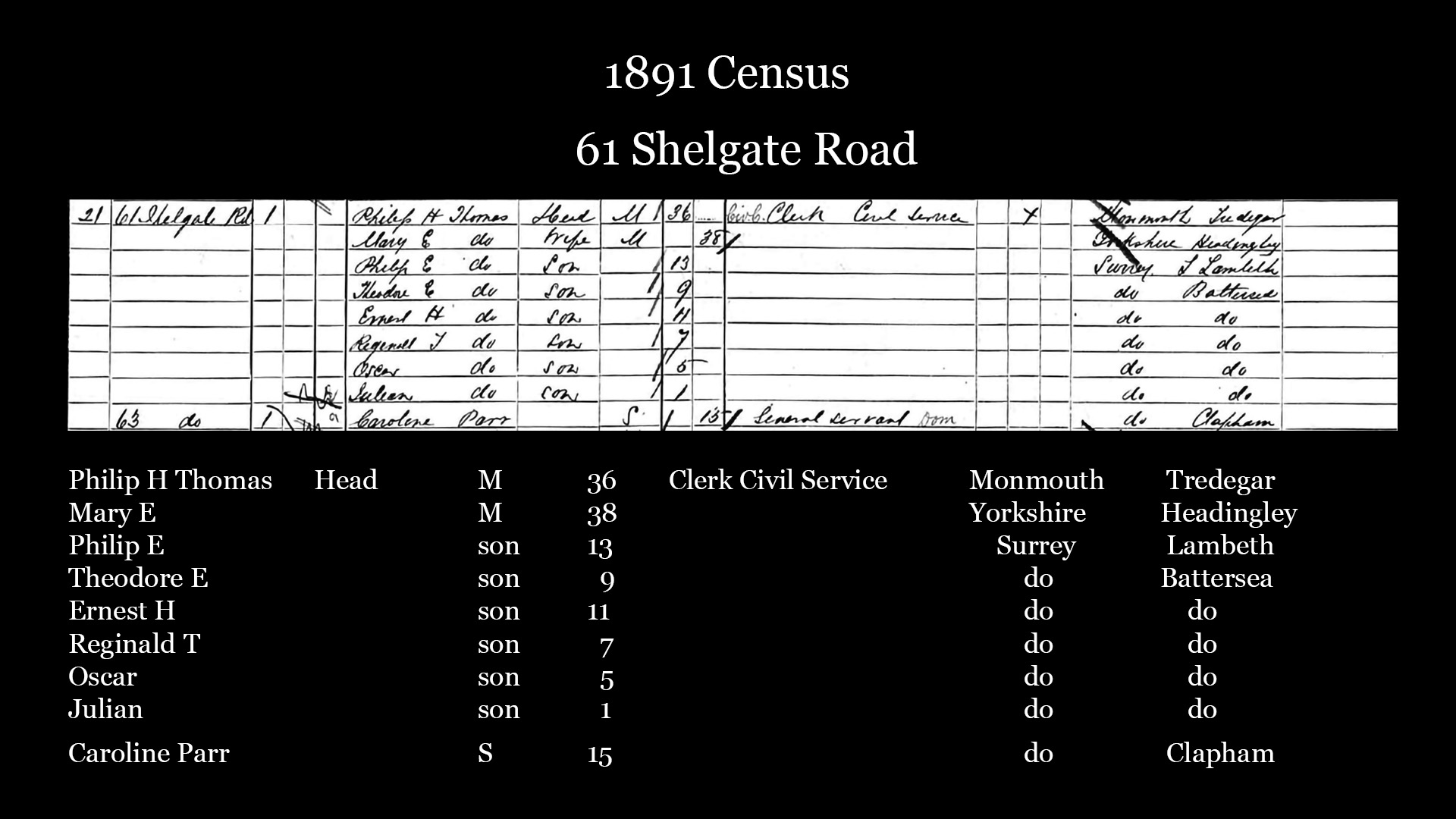
It was also around this time (c.1888) that Edward moved from Wakehurst Road to Shelgate Road, closer to Clapham Common than Wandsworth Common. They lived there until soon after March 1901, when the family moved to Rusham Road — closer to Wandsworth Common again.
Edward recalls the move to Shelgate Road, which had been prompted by the rapid growth in family size:
While we were at this house [Wakehurst Road] my mother presented me with four brothers at intervals of two years, but, as I have no recollection of them during that period beyond the fact that on certain dim occasions . . . one or other was present, I say nothing about them. Being thus seven in family we moved to a large house in one of the roads parallel to the old one. [Childhood, p.60.]
[HoWC: Childhood — complete text.]
["four brothers" implies his second brother (Ernest) had already been born. But his birth is shown as Battersea. Why the apparent anomaly?]
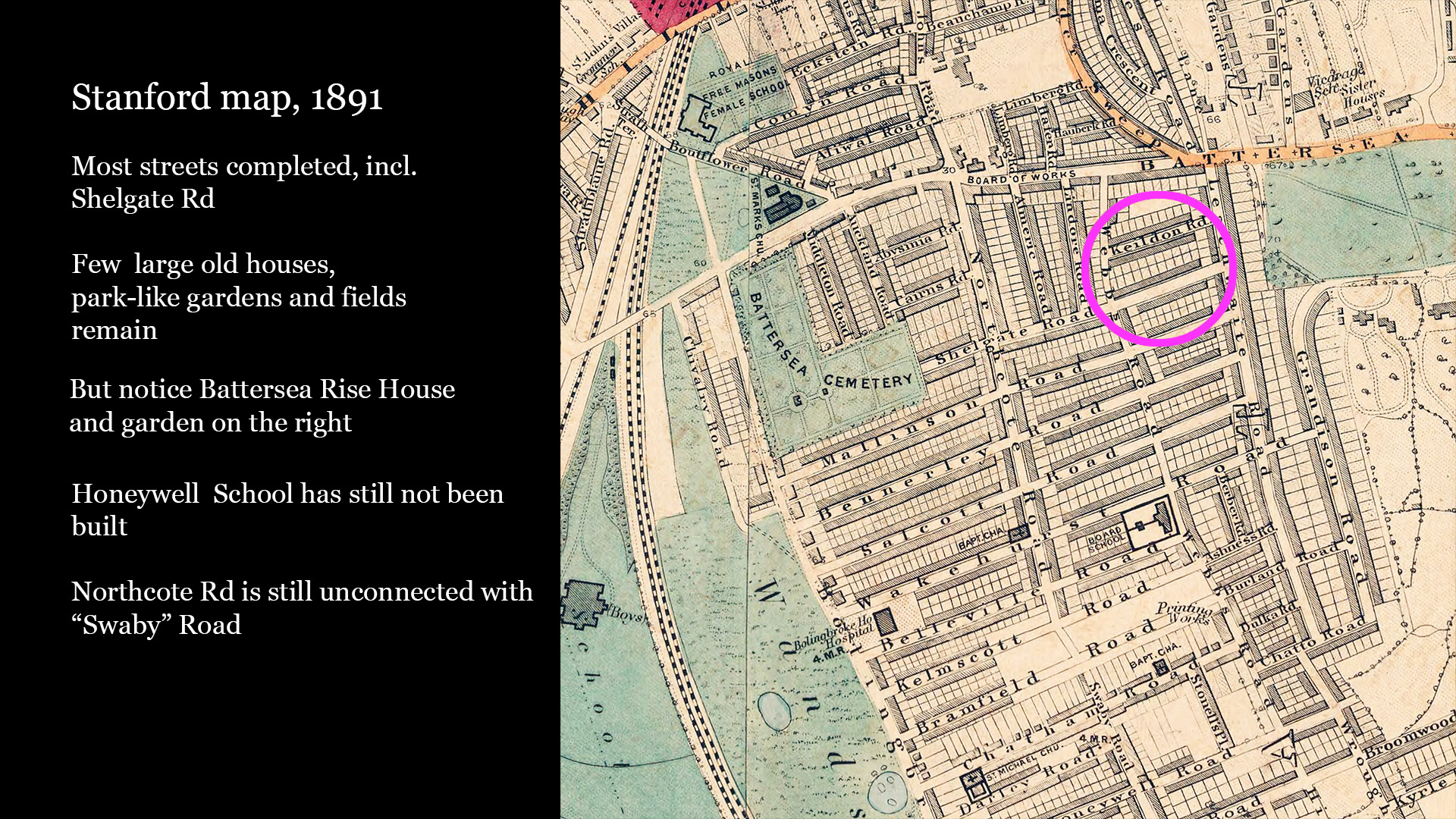
Notice how much more built-up the area is, in the space of just a few years. Presumably the number of young children must have been growing rapidly — hence Honeywell School would open almost next door to Belleville that year, 1891.
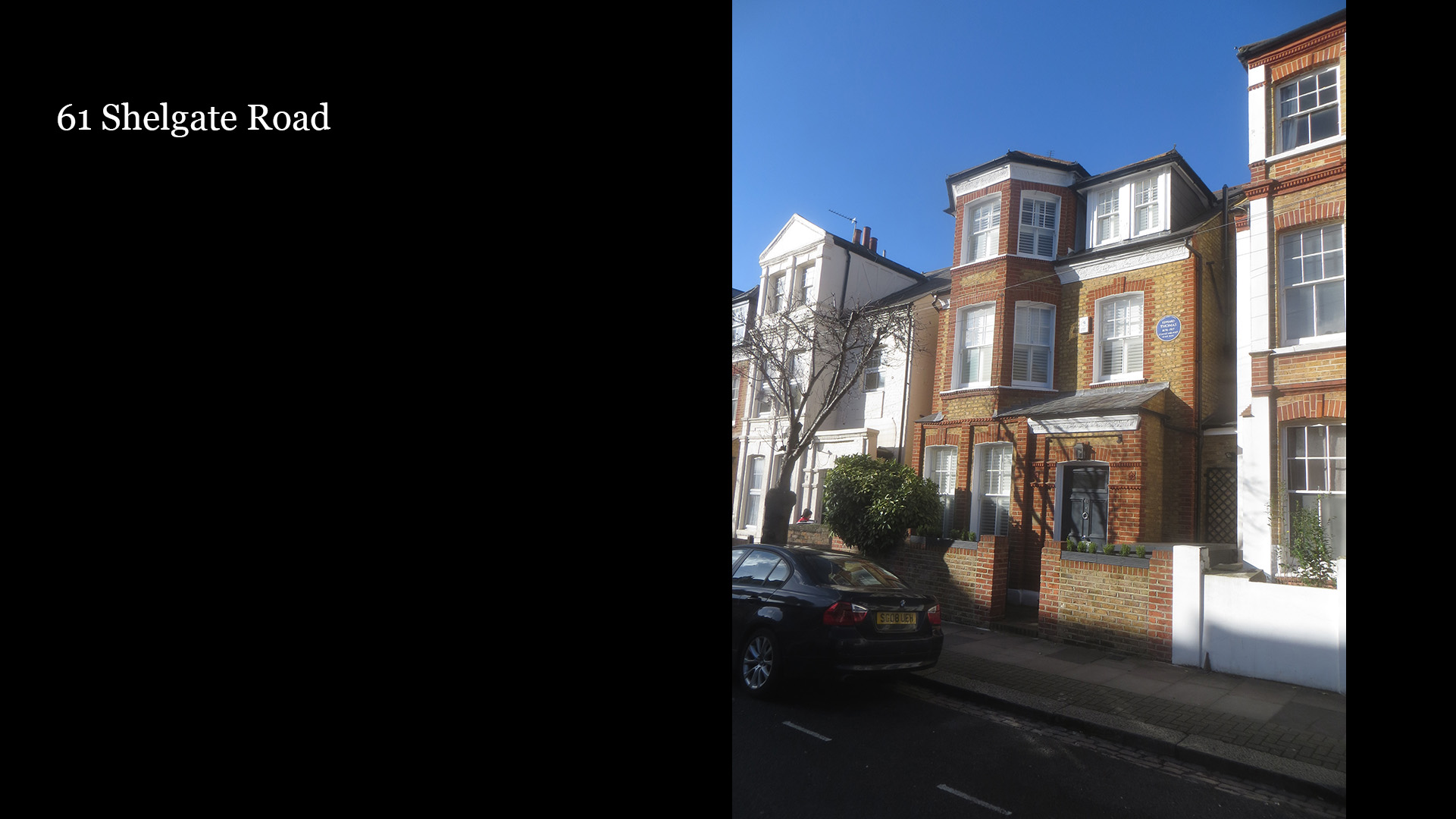
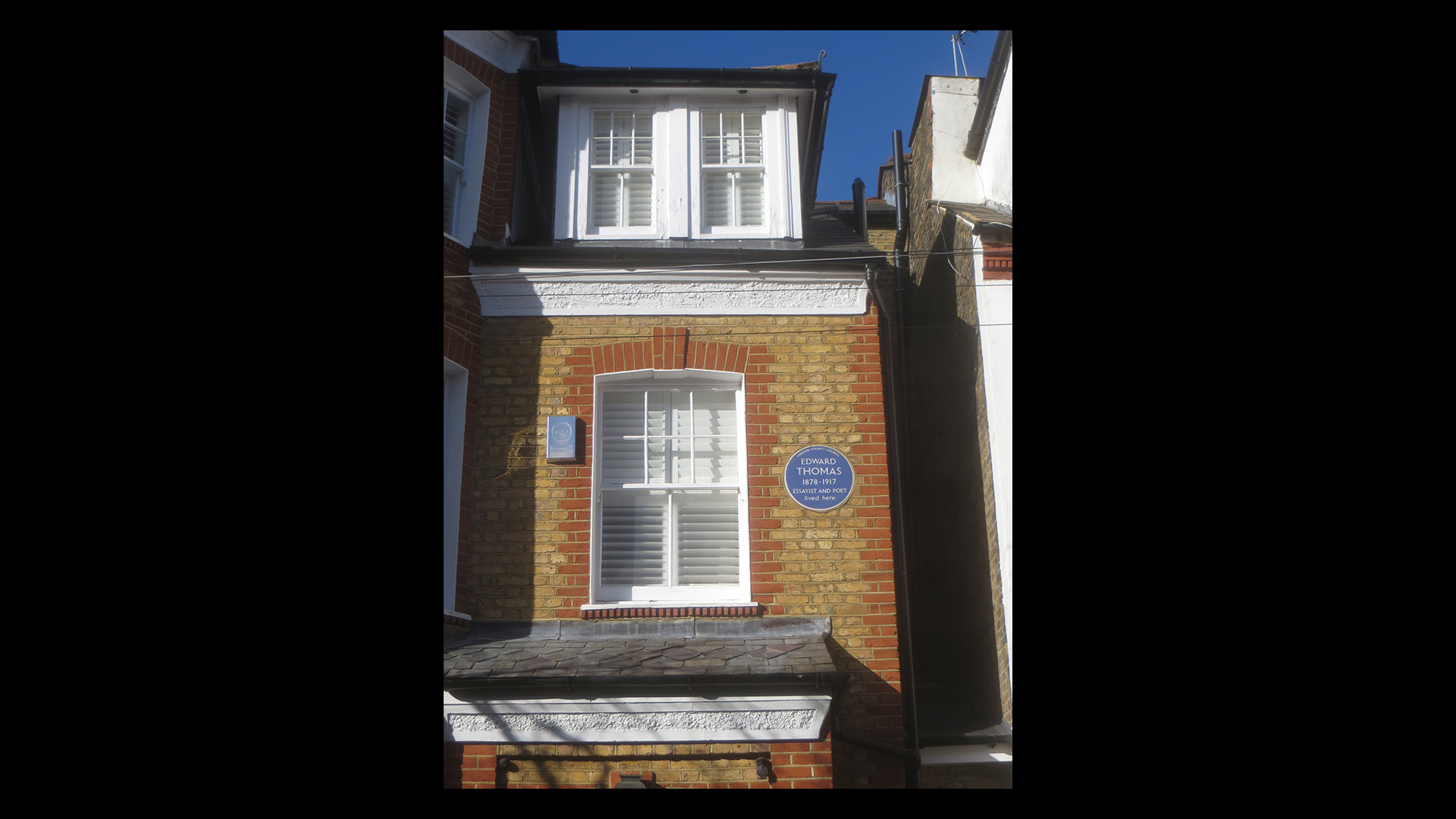
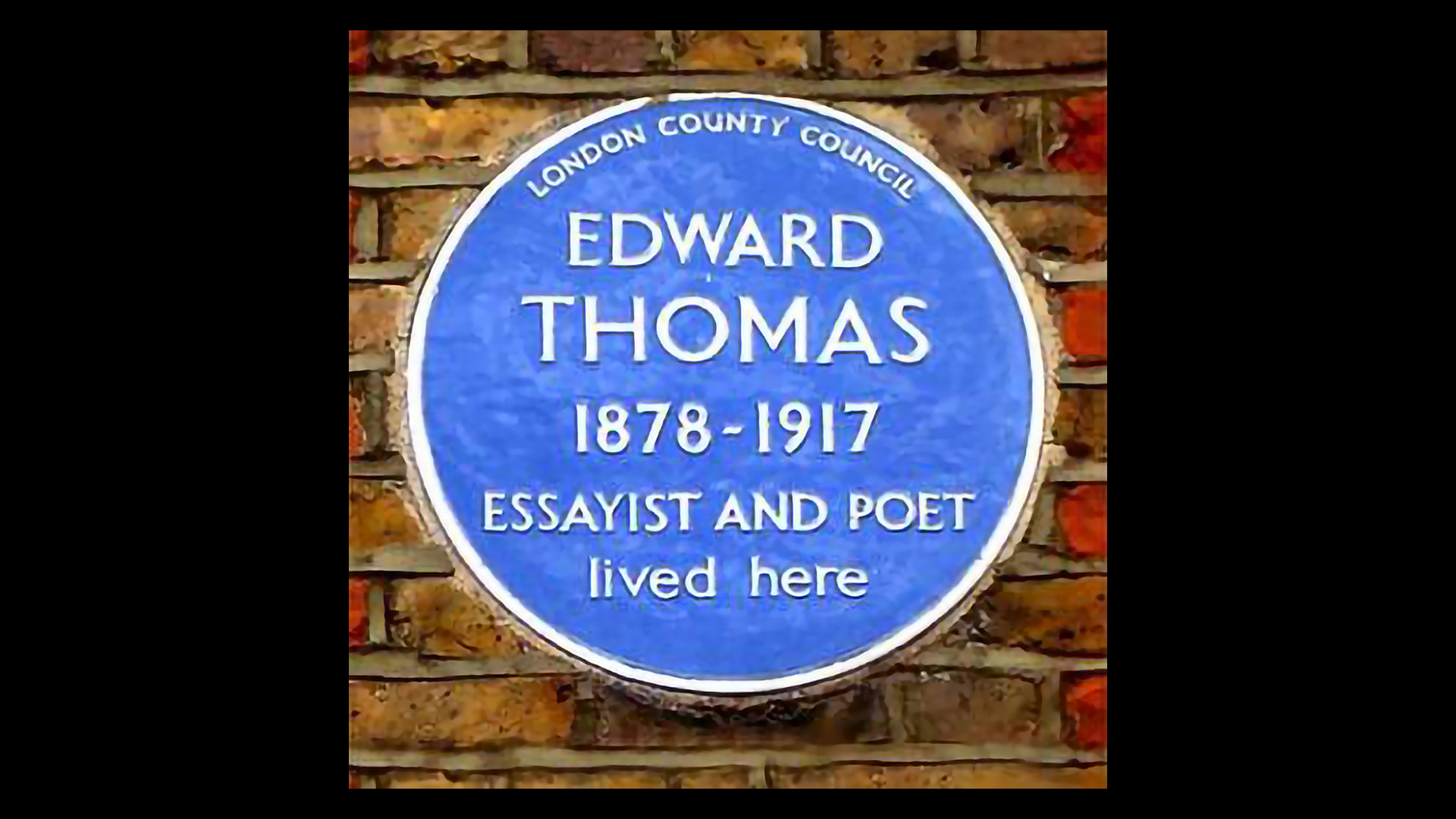
In comparison with the Wakehurst Road house, Edward Thomas writes very little about their new house, though he admits that "the new house had also a charm. Its size allowed an empty room for us to play in, and a box-room."
On the first few days after the move I went several times most of the way down from school to the old house before realising my mistake. Whether I had regrets for it or not, it began almost at once to have a dreamy charm too faint to be describable. It was a visible piece of the past, a skeleton, a hollow shell that did without us.
[Children, pp.61-61.]
[Much the same thing happened to me. I grew up behind Wandsworth Prison, in the Officers Quarters, around a Green. At age 8, I moved few hundred yards to a block of new flats on Heathfield Road — still part of the prison estate, but on Heathfield Road. Returning from Beatrix Potter School, I'd often walk past the new house and turn into the Quarters, before "realising my mistake". ]
I would to conclude this part of the talk by discussing how the Common was used by children such as Edward.
Unlike today, very young children were allowed — one might say encouraged, but generally in fact ordered to "go out to play". A walk to the Common would have been nothing, even for a very young child. (As indeed it was for me in the 1950s.)
Crucially, unlike now, the Common was a parent-free (and largely adult-free) zone. (Except on Sundays!)
I'm going to concentrate on a few places, particularly the ponds, including fishing. And on fights [?]
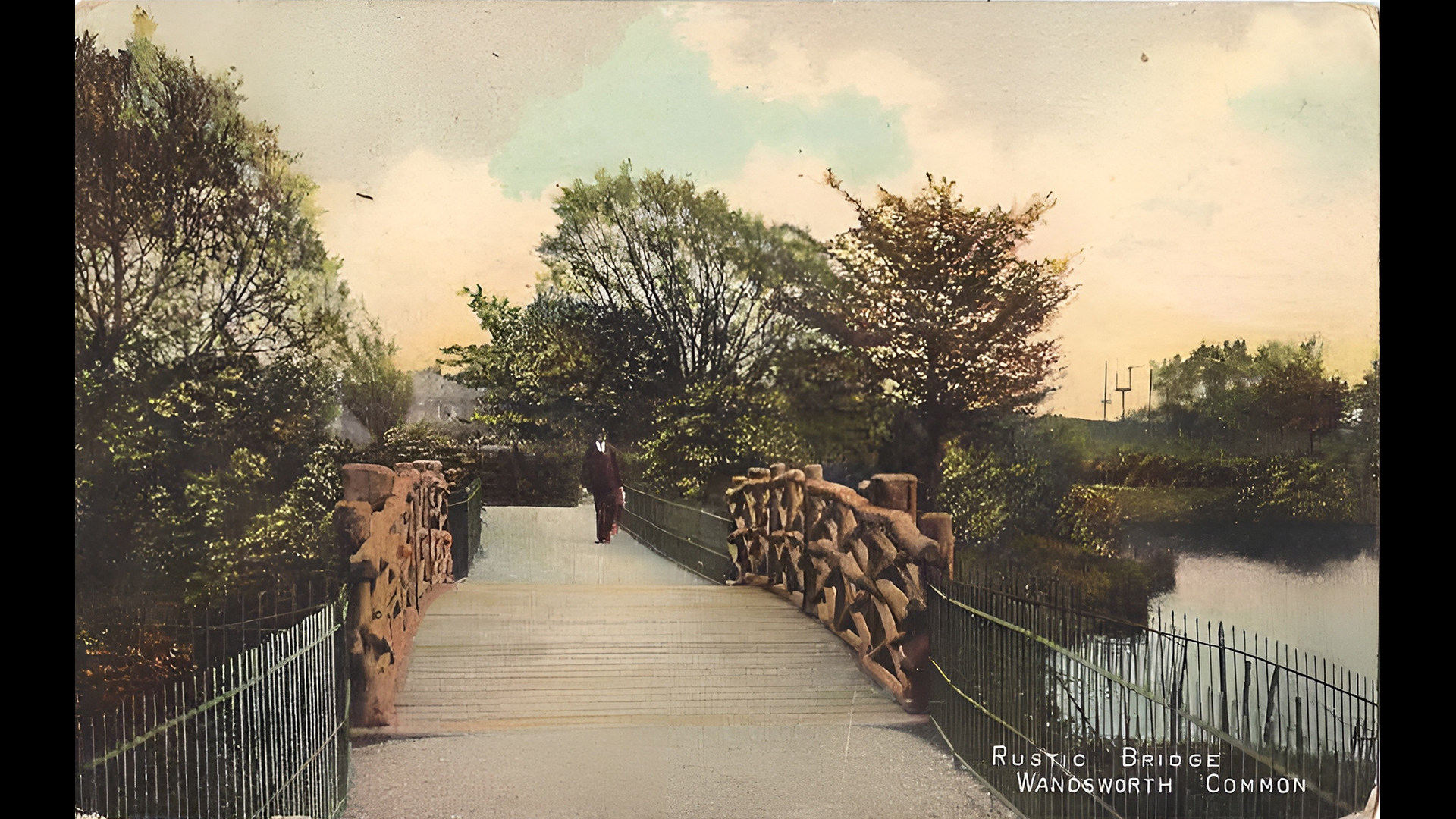
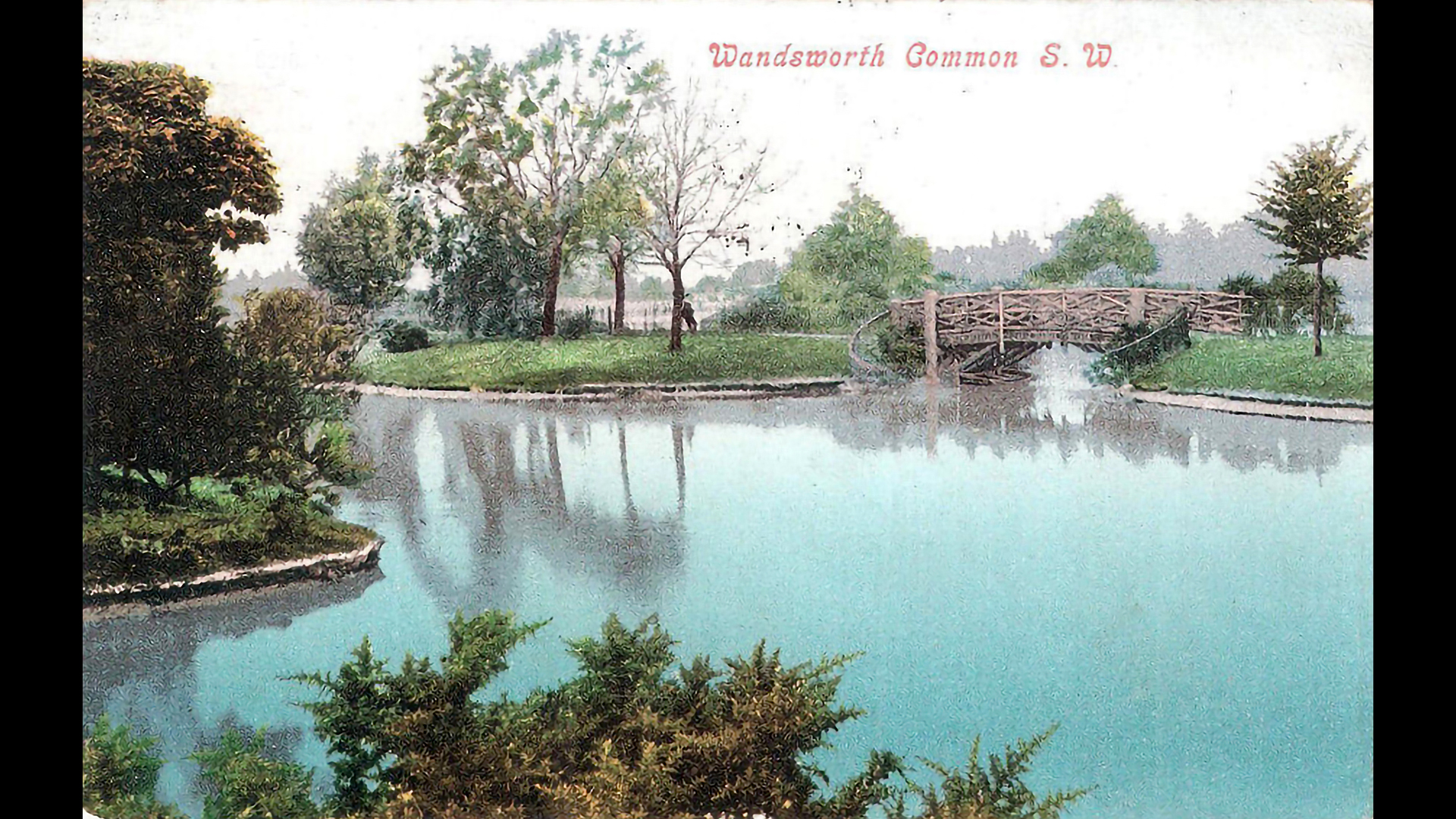
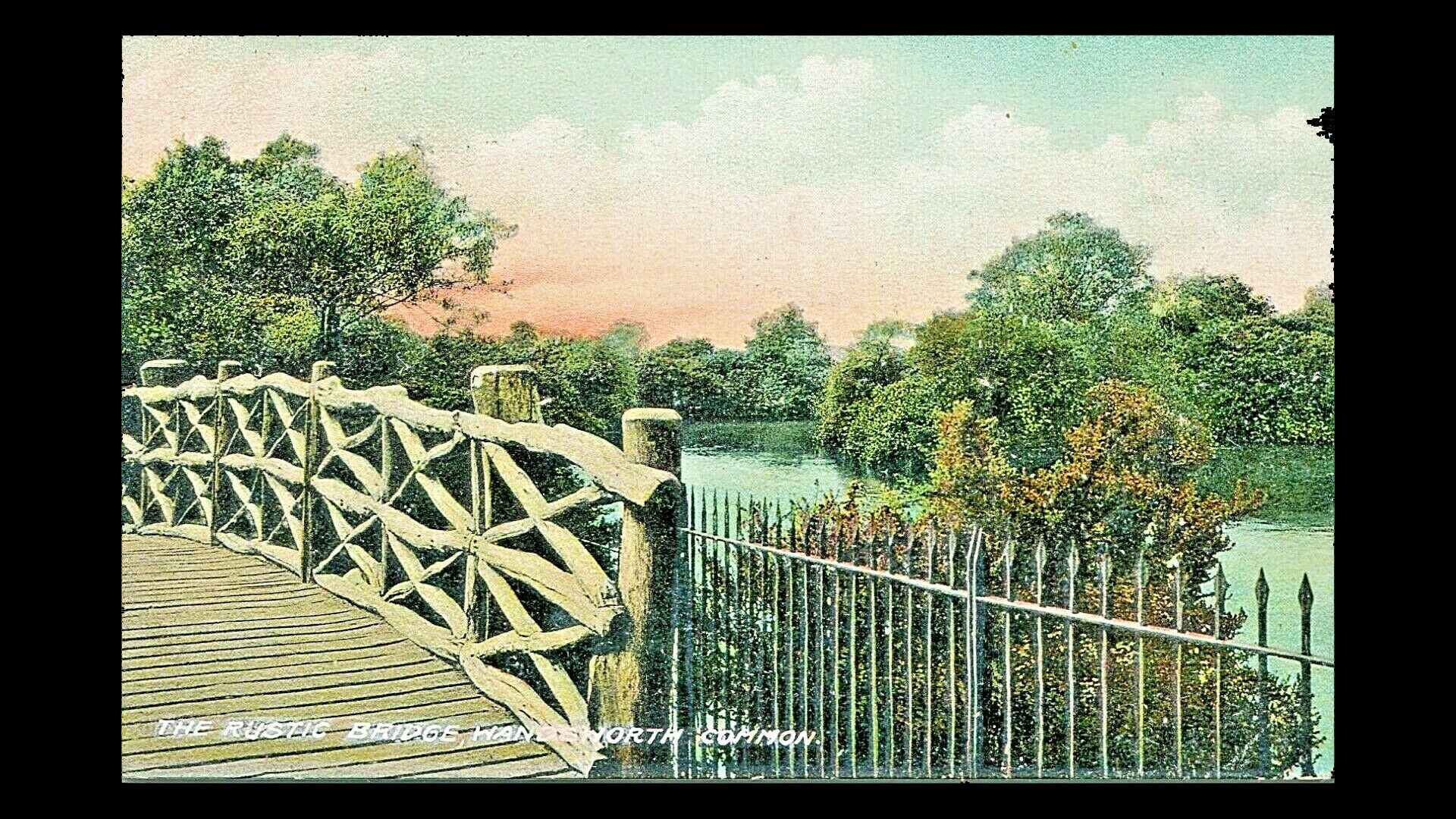
Lots of postcards of the pond etc. Slightly later, but probably conveying much of the spirit of the place.
Find where he talks about hills.
Where's the best place to put the Robinson crusoe/pond story?
Pic of railway bridge = CatsBack Bridge
A moment ago we were talking about eating sorrel leaves among the gorse bushes on Wandsworth Common with Tottie Armour.
The passage continues:
A railway ran across the Common in a deep bushy cutting, and this I supposed to be a natural valley and somehow peopled it with unseen foxes. The long mounds of earth now overgrown with grass and gorse heaped up at my side of the cutting from which they had been taken were "hills" to us, who wore steep yellow paths by running up and down them.
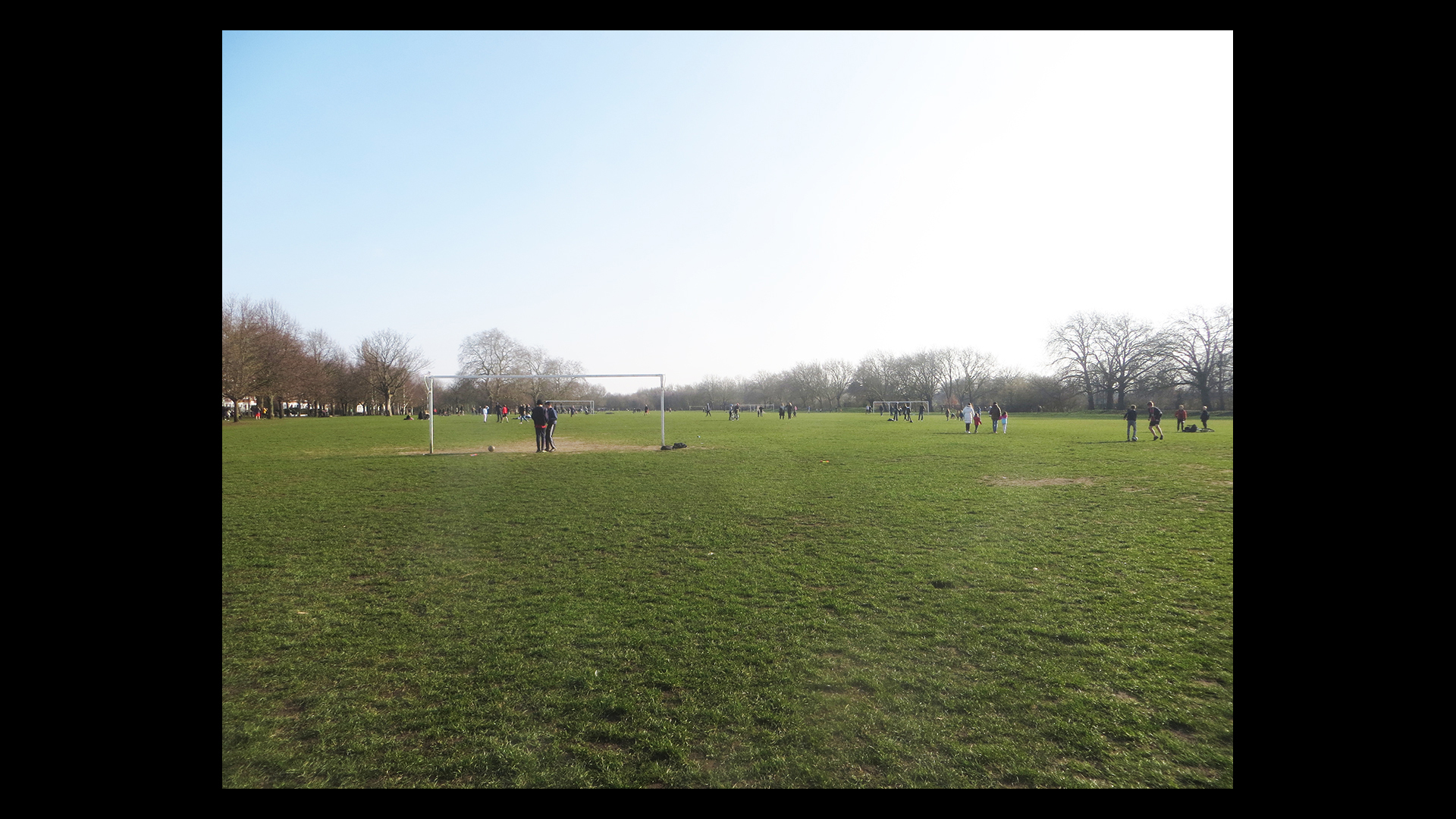
Some evocative photos of the "hills" or "bumps" today by Lewis More-O'Ferrall - thanks, Lewis!
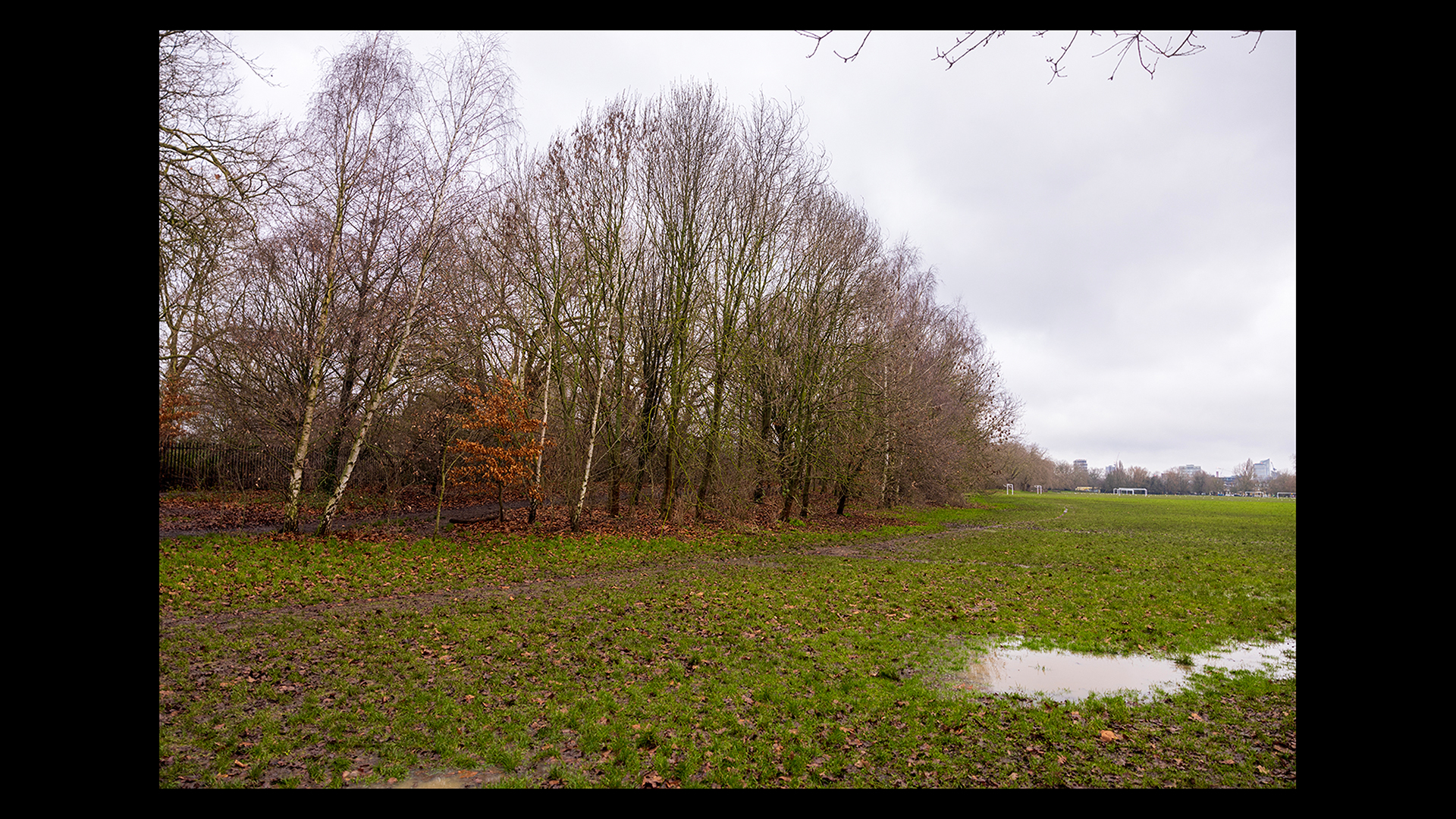
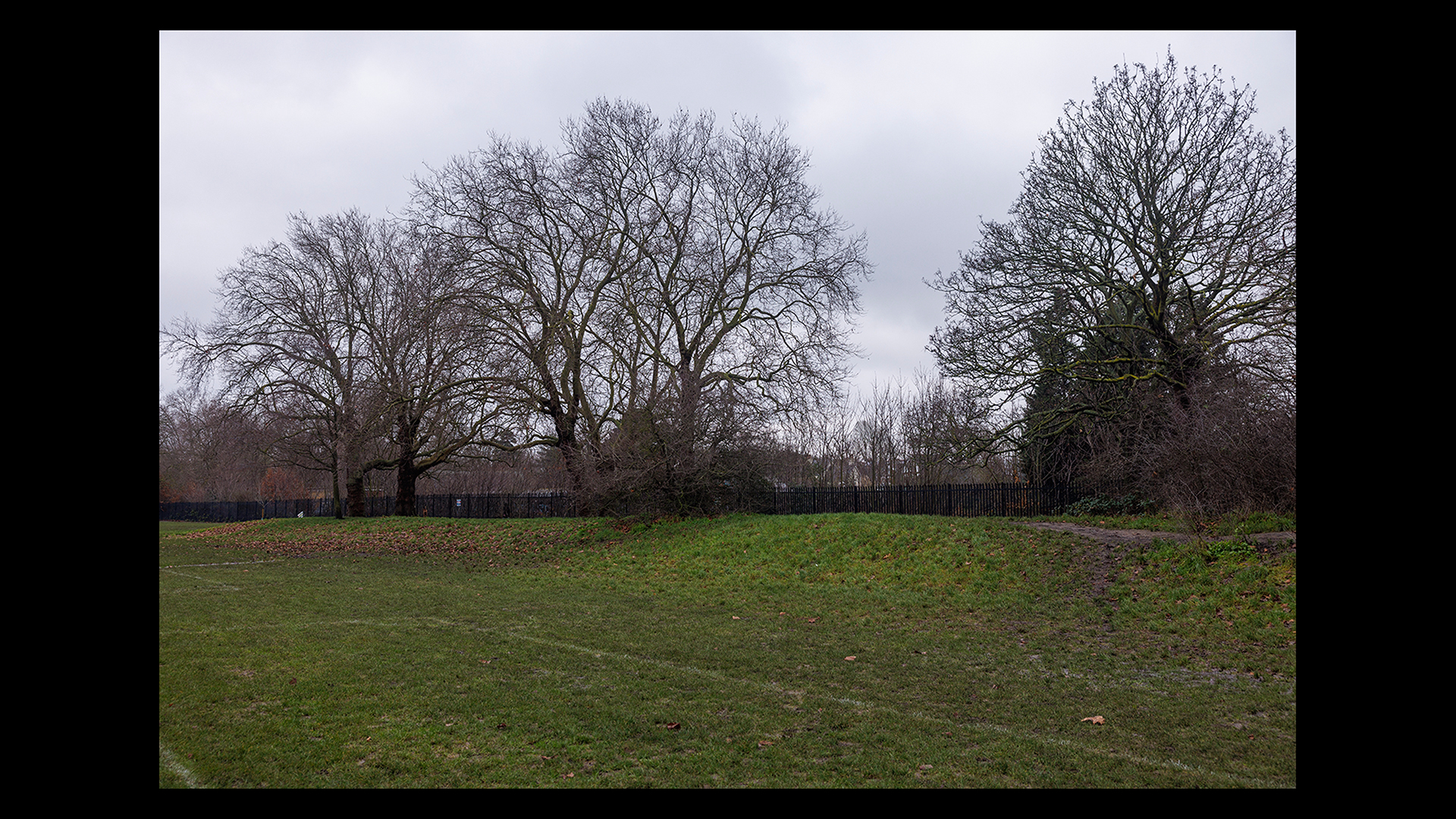
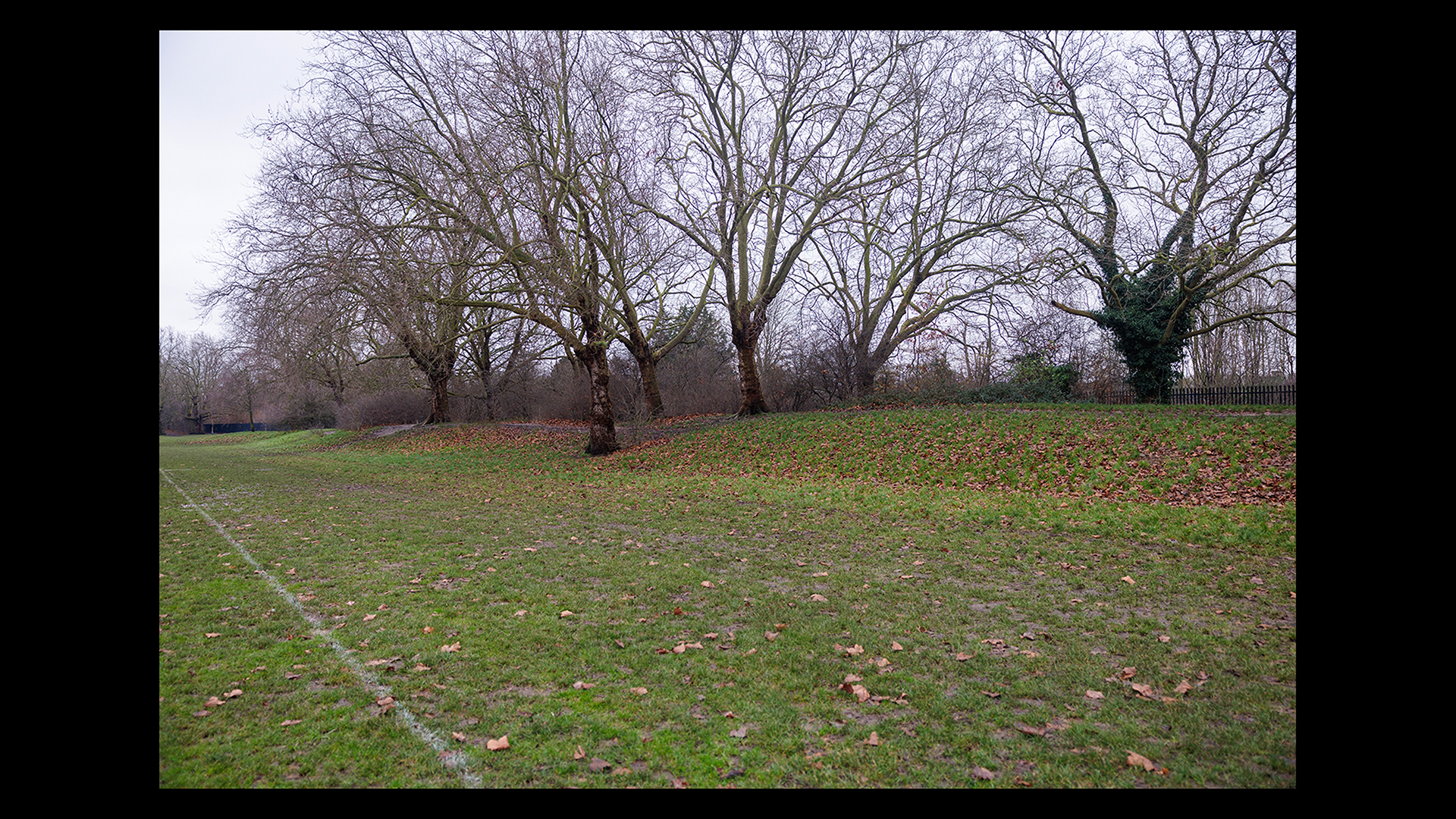
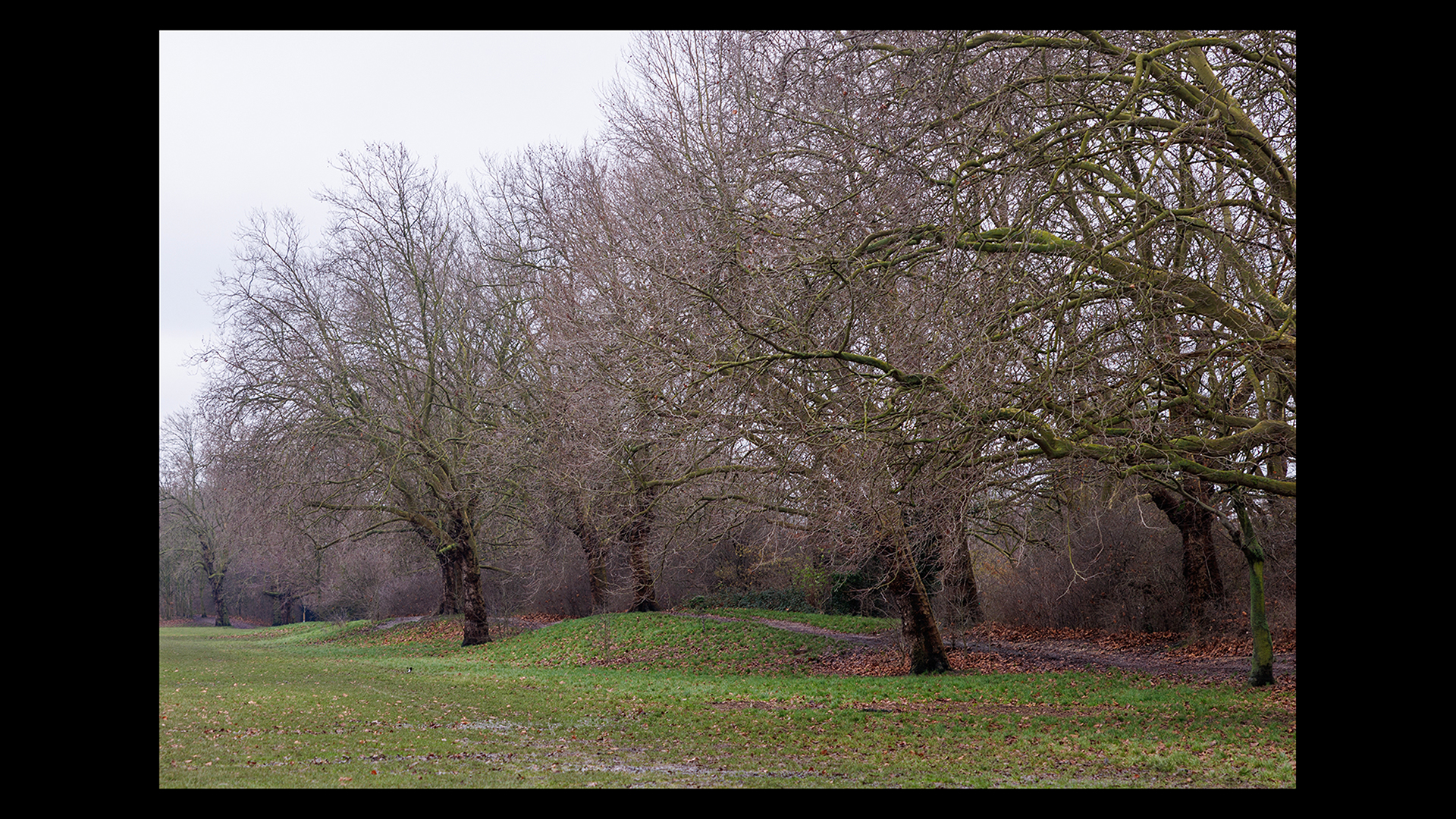
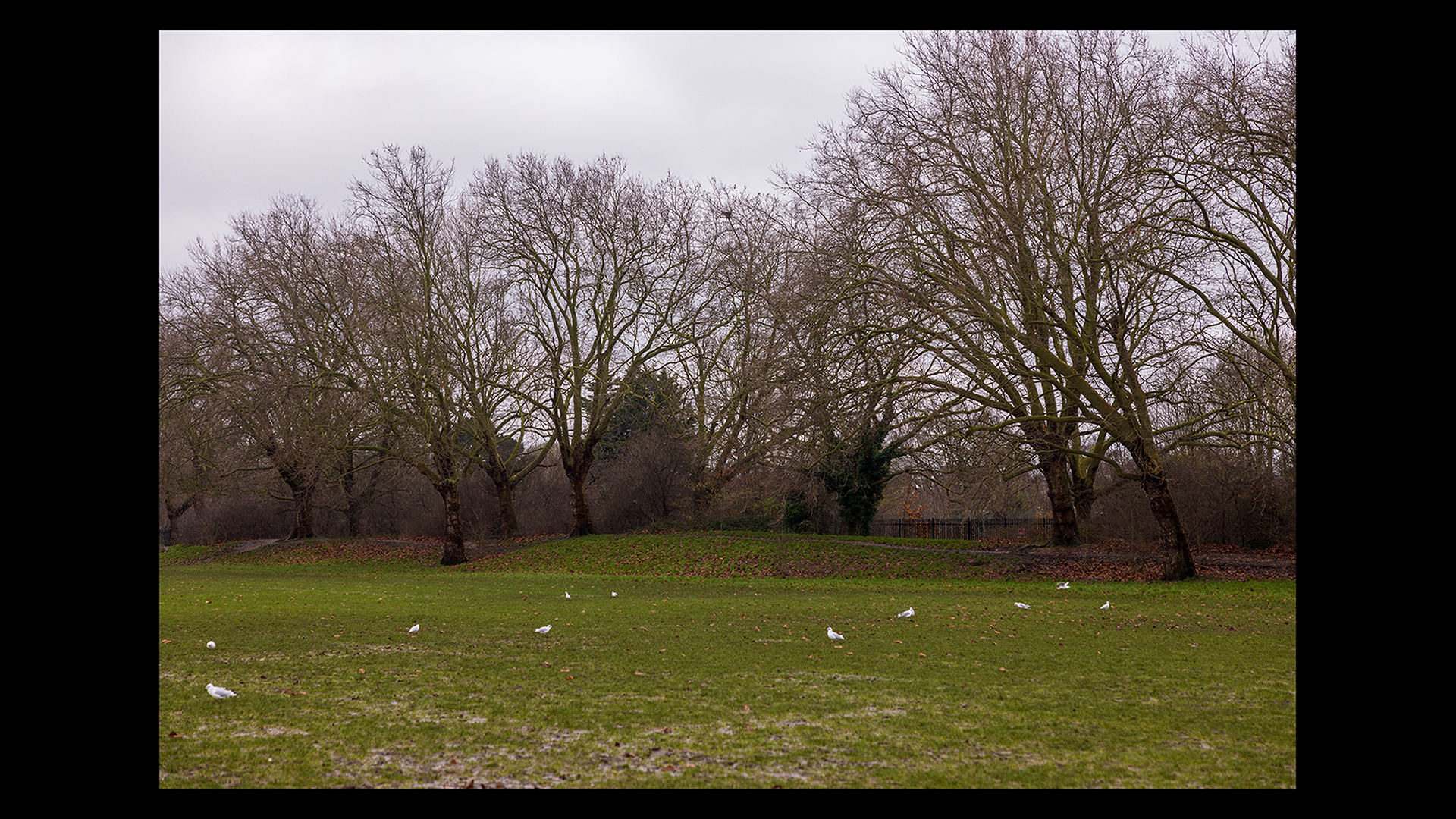
As the Friends' oral history project Common Memories showed, every generation that grew up round here remembers playing on these "hills" or "mounds" or "bumps".
I love the idea that we played where he played. Or our children or grandchildren played. What we see, he saw. Or something sufficiently like it that we can share the experience.
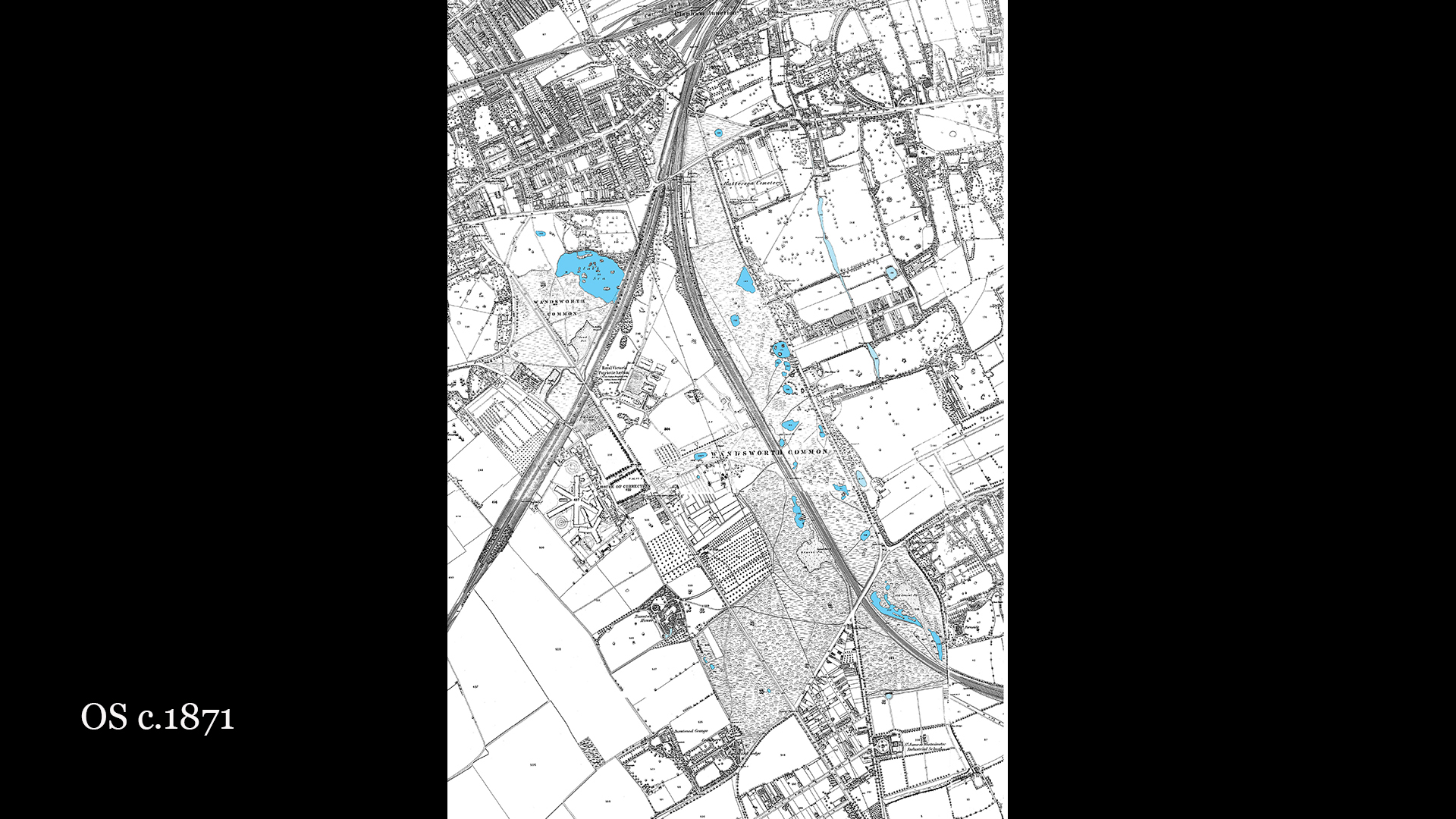
As you can see in this OS map, the flatness etc had already been largely achieved by 1893. Edward describes the Common as flat by nature, flatter by recent art'. [In Pursuit of Spring, p.35]
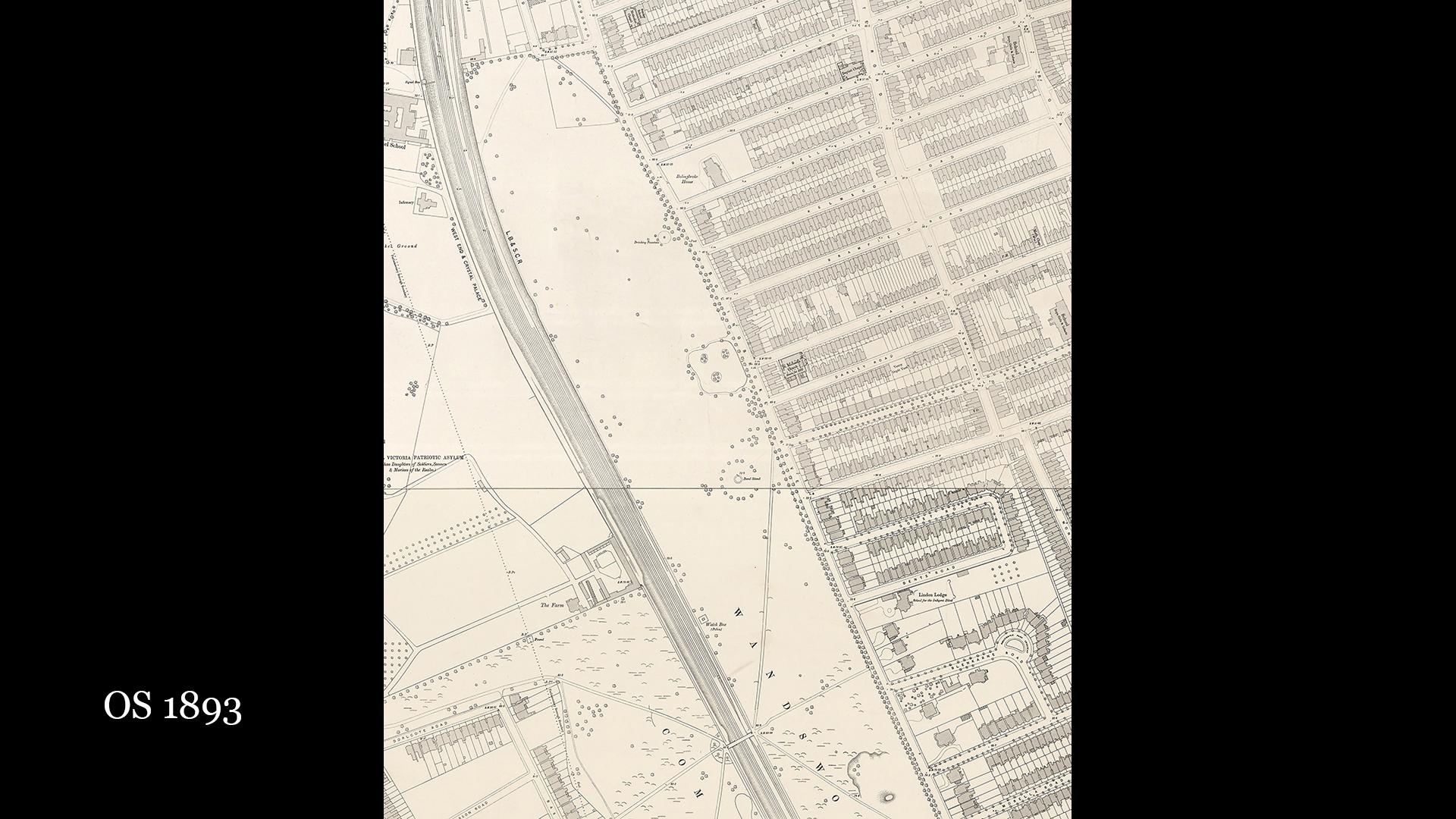
The Common . . . offered many temptations to more irregular [39] games and aimless rovings. For it was an uneven piece of never-cultivated gravelly land.
Several ponds of irregular shape and size, varying with the rainfall, had been hollowed out, perhaps by old gravel diggings. It was marshy in other places. Hawthorn and gorse clustered tall and dense in great and in little thickets. Tall elms and poplars stood about irregularly. And the level spaces suitable for cricket, football and tennis were not many.
With this variety the Common, even though the railway ran through it parallel to Bolingbroke Grove and only two or three hundred yards away from it, was large enough to provide us with many surprises and discoveries for years.
We could spend a day on it without thinking it small or having to retrace our steps. We wandered about it with or without our hoops. For any kind of hiding and hunting games the thickets were excellent. We played the other games in the open spaces.
[The different ponds — find a map to show. ? Start with the Crusoe/pond story?]
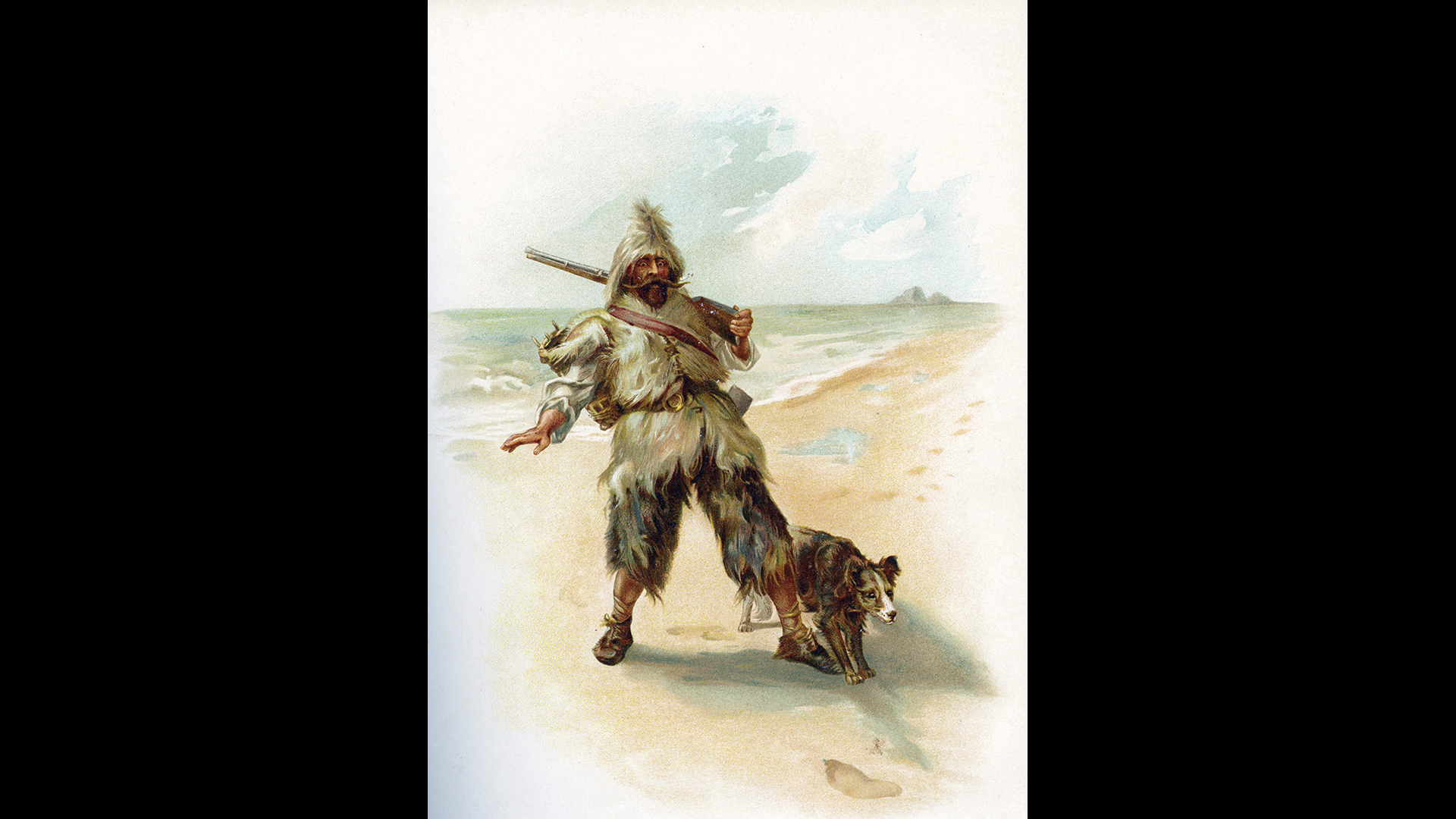
"The gravelly shore of the Long Pond on Wandsworth Common was confused in my mind with the sea sand where Robinson Crusoe saw the cannibals' footprints."

[Maps showing "lake" before the island had been created.
]
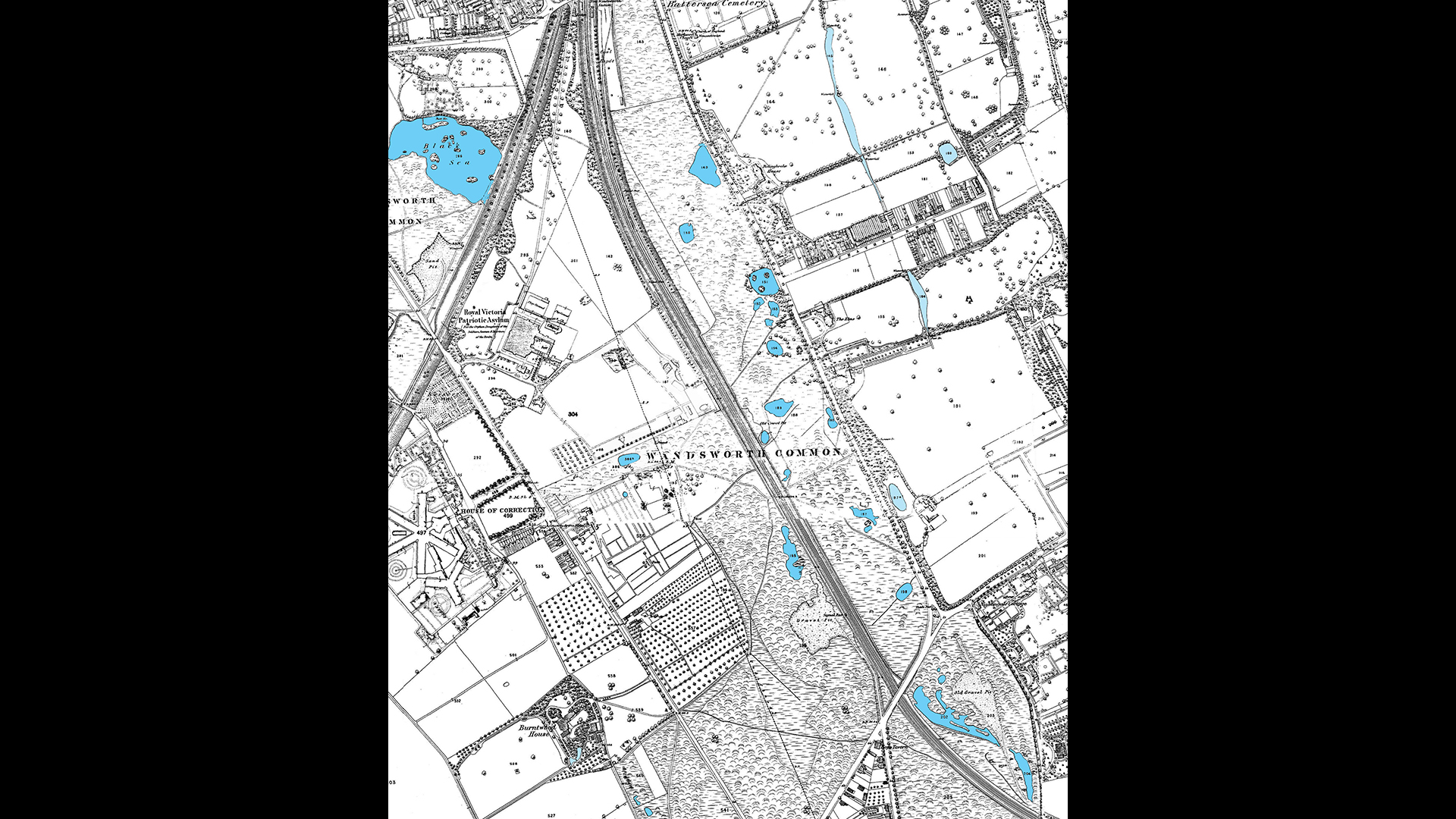
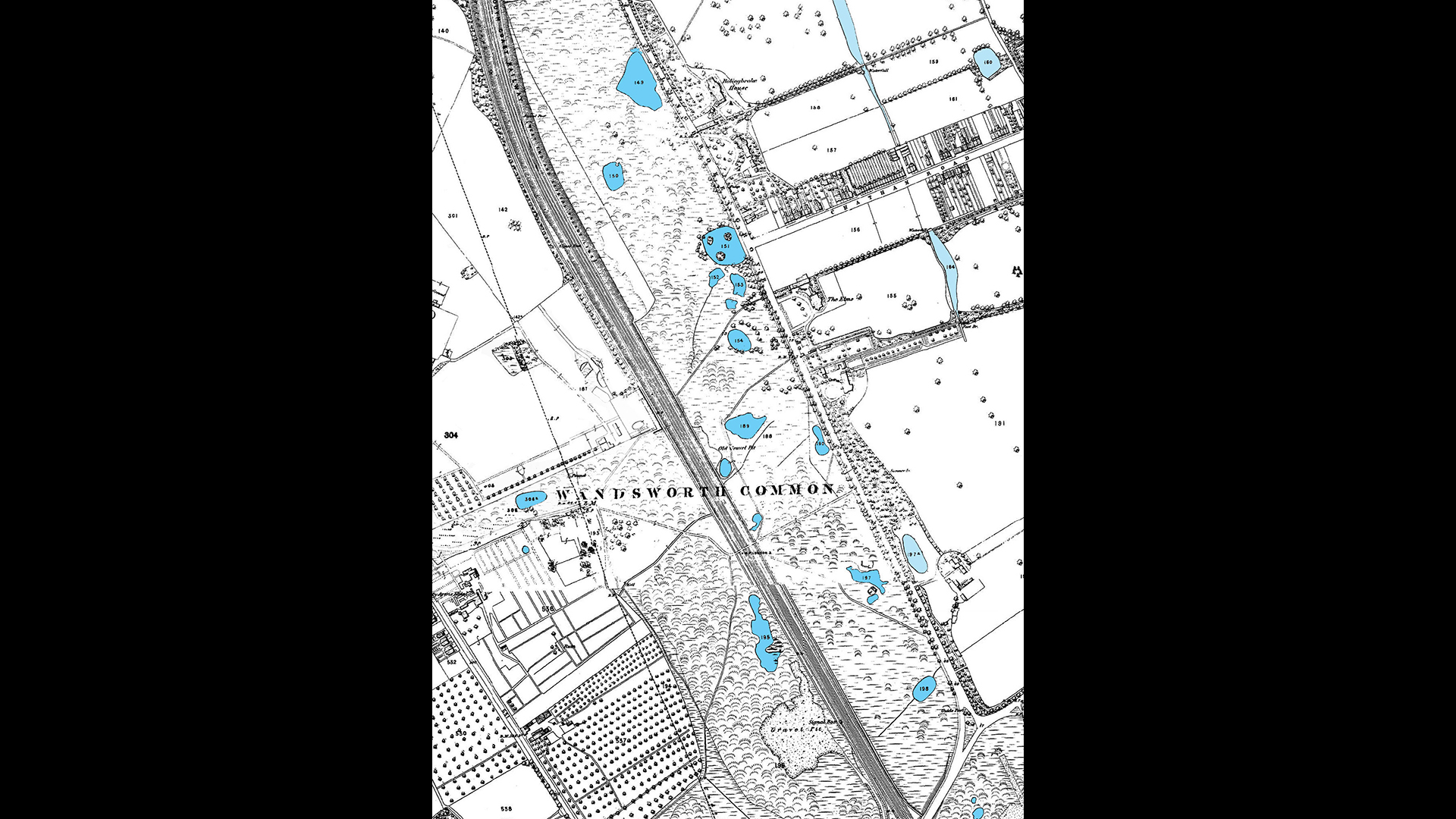
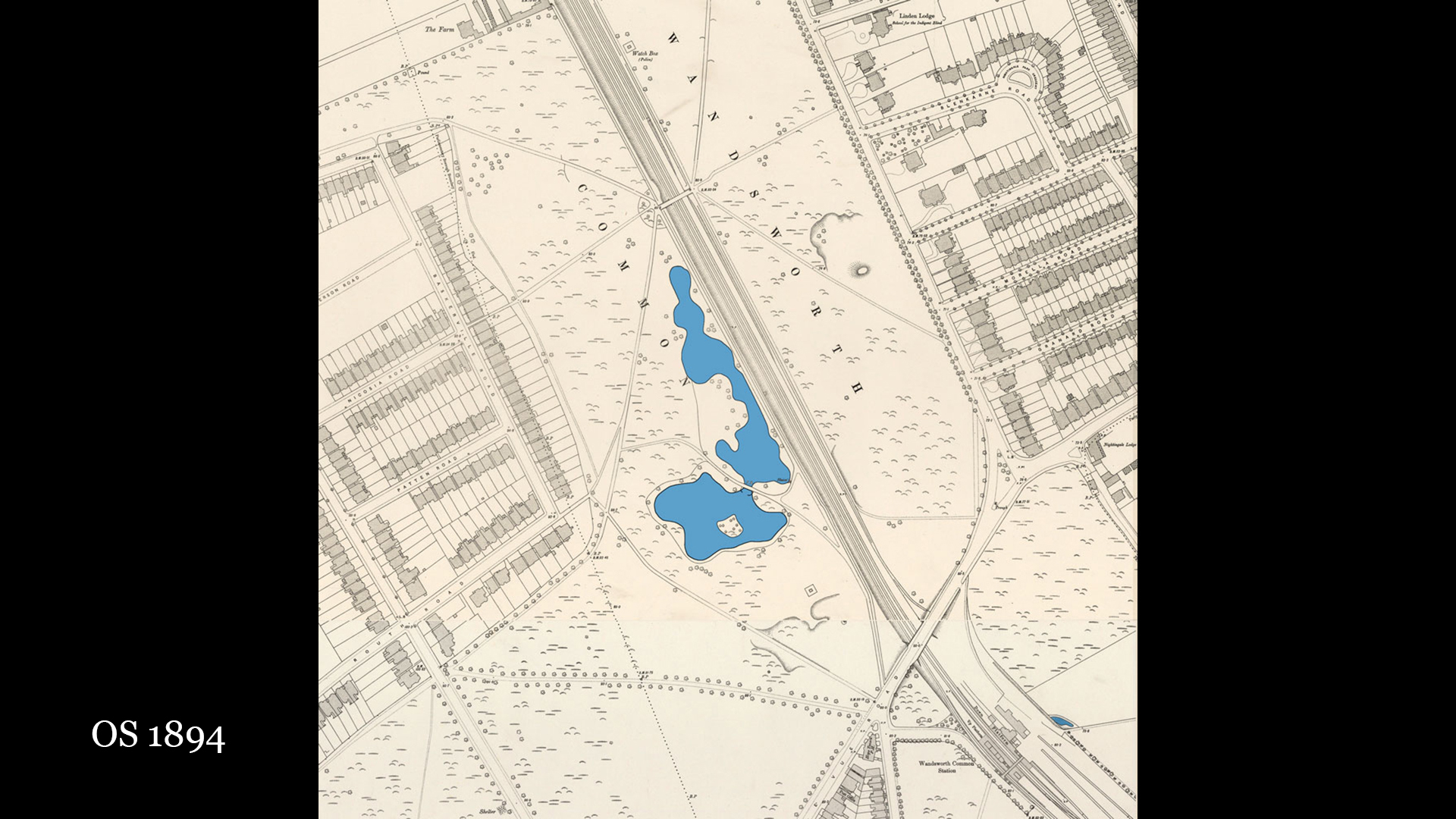
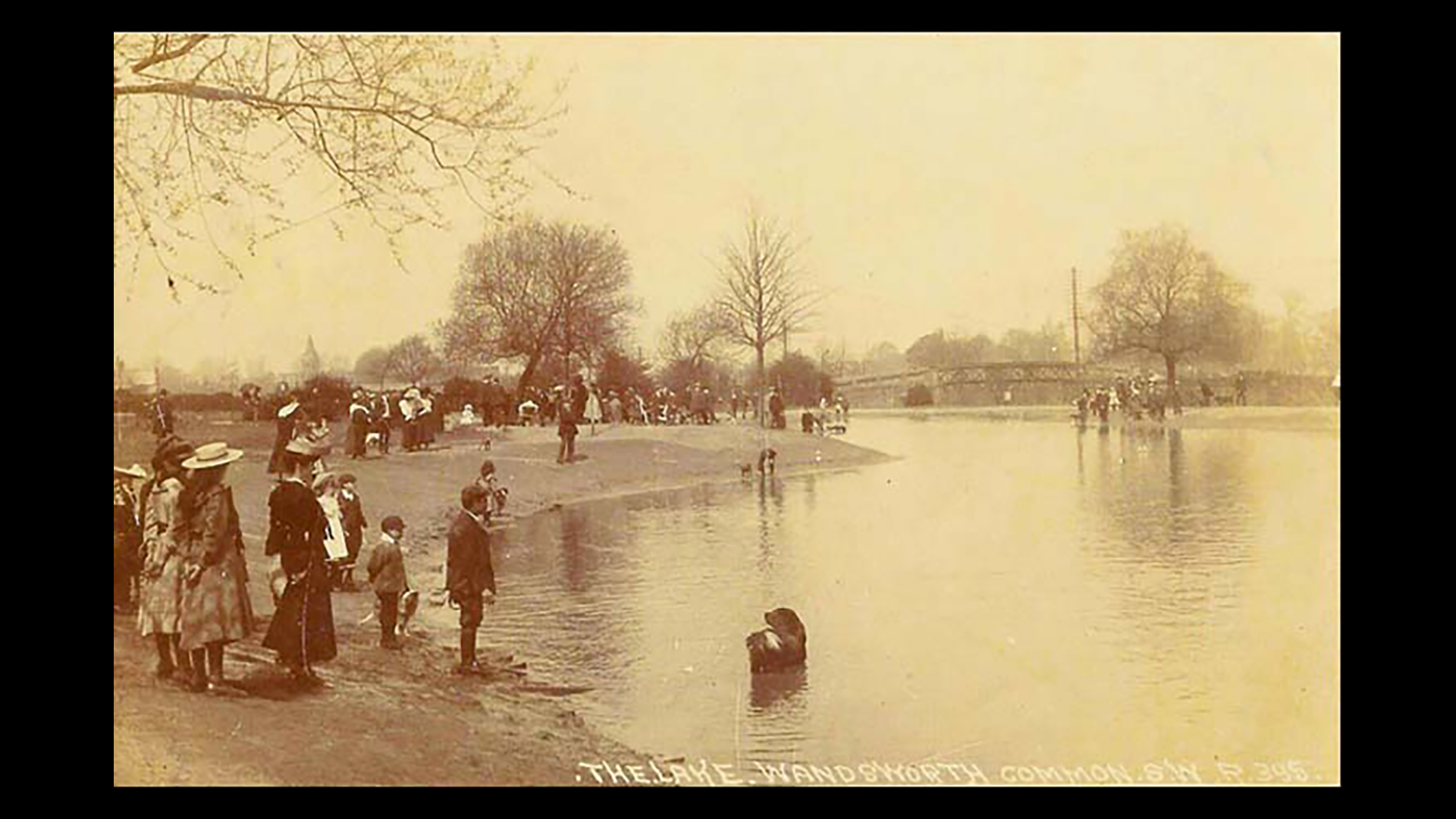
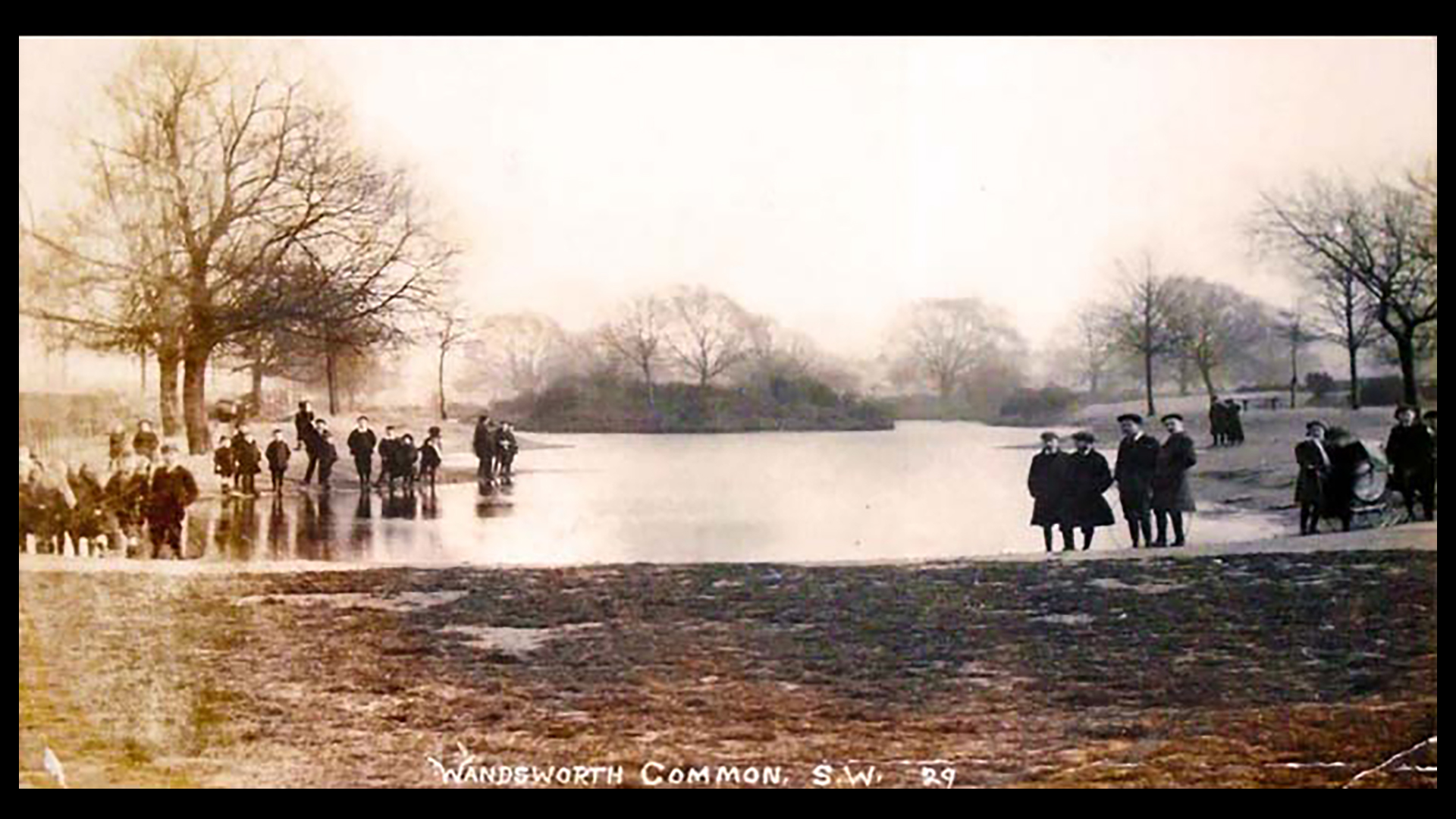
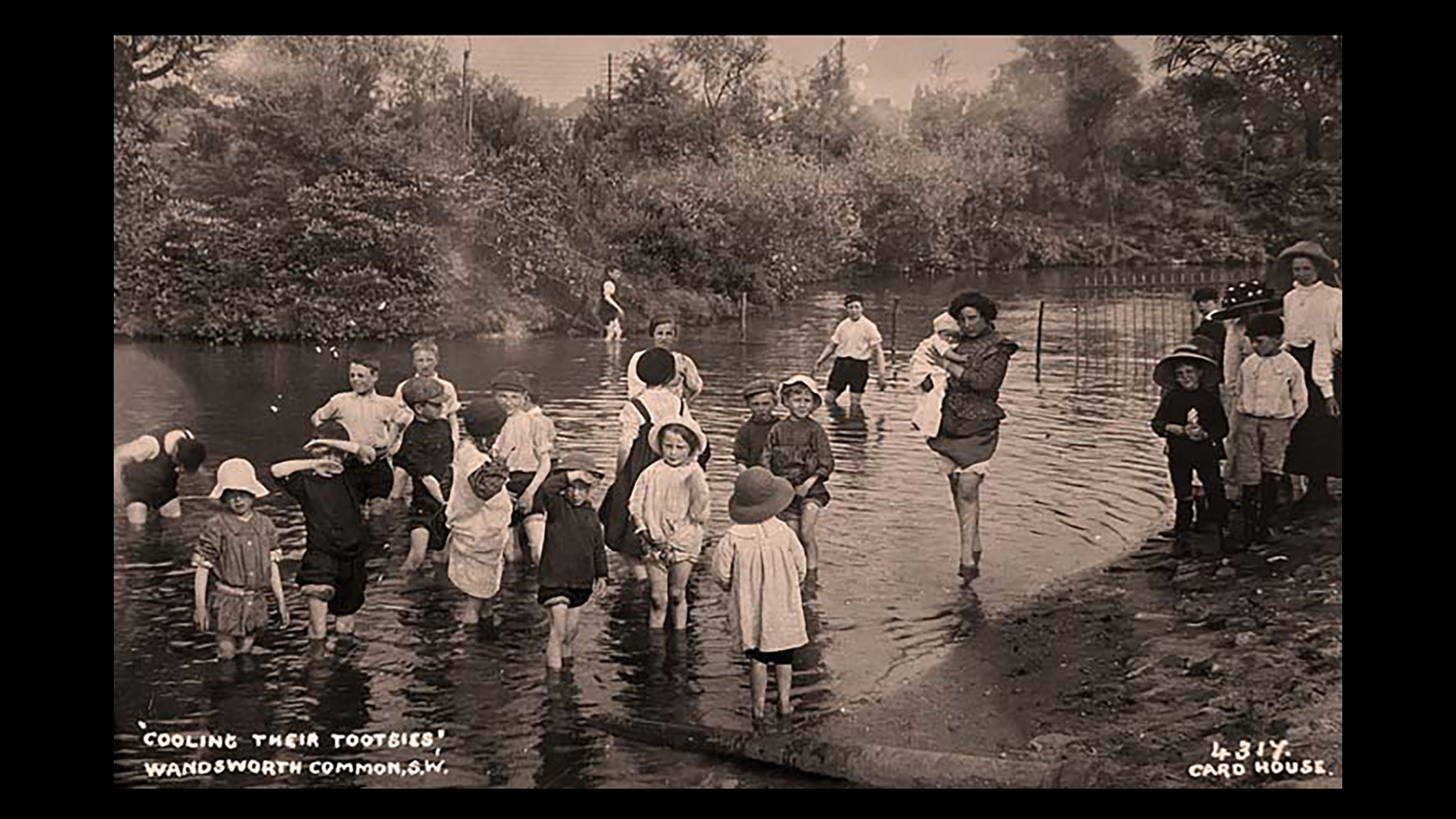
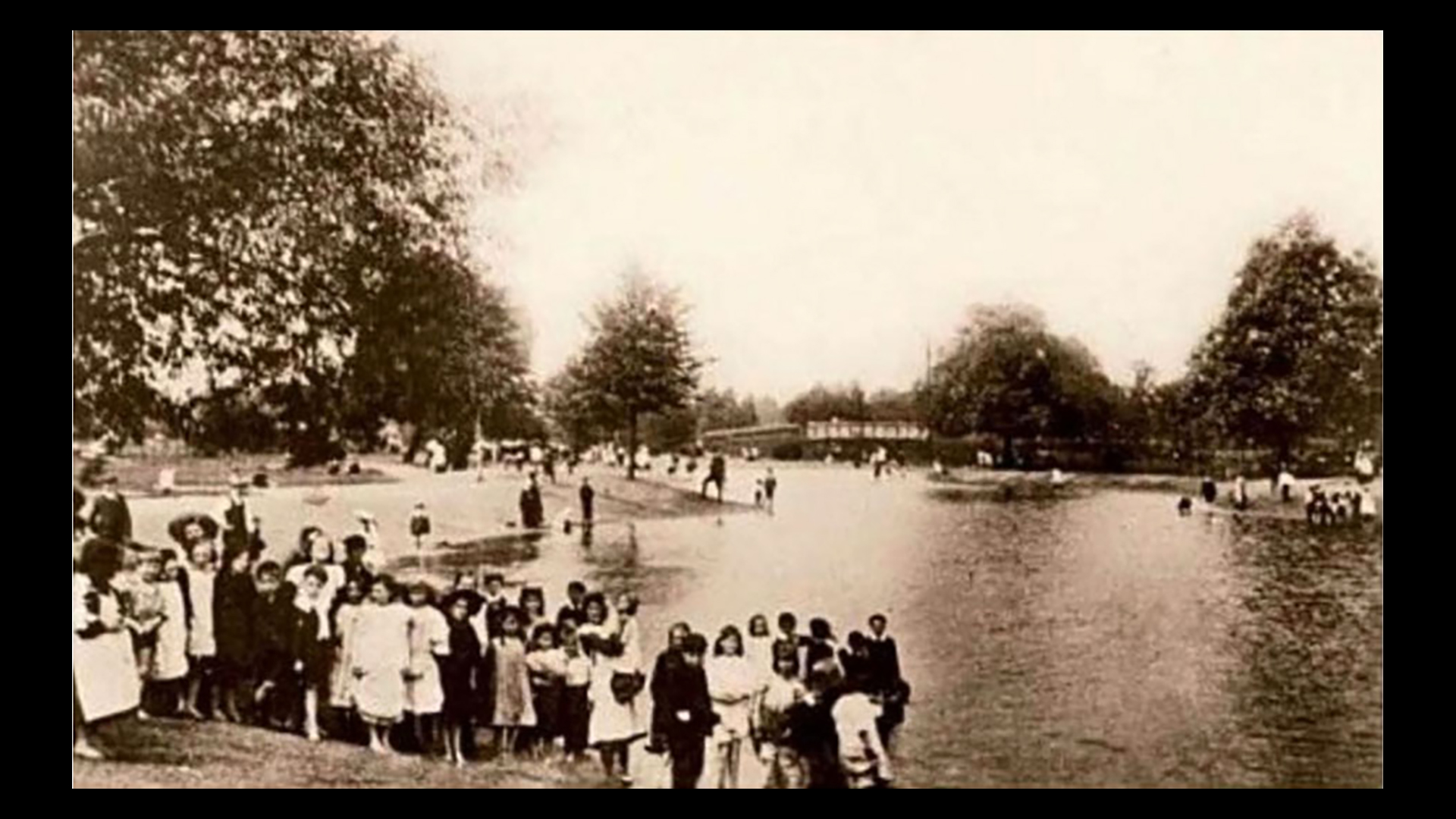
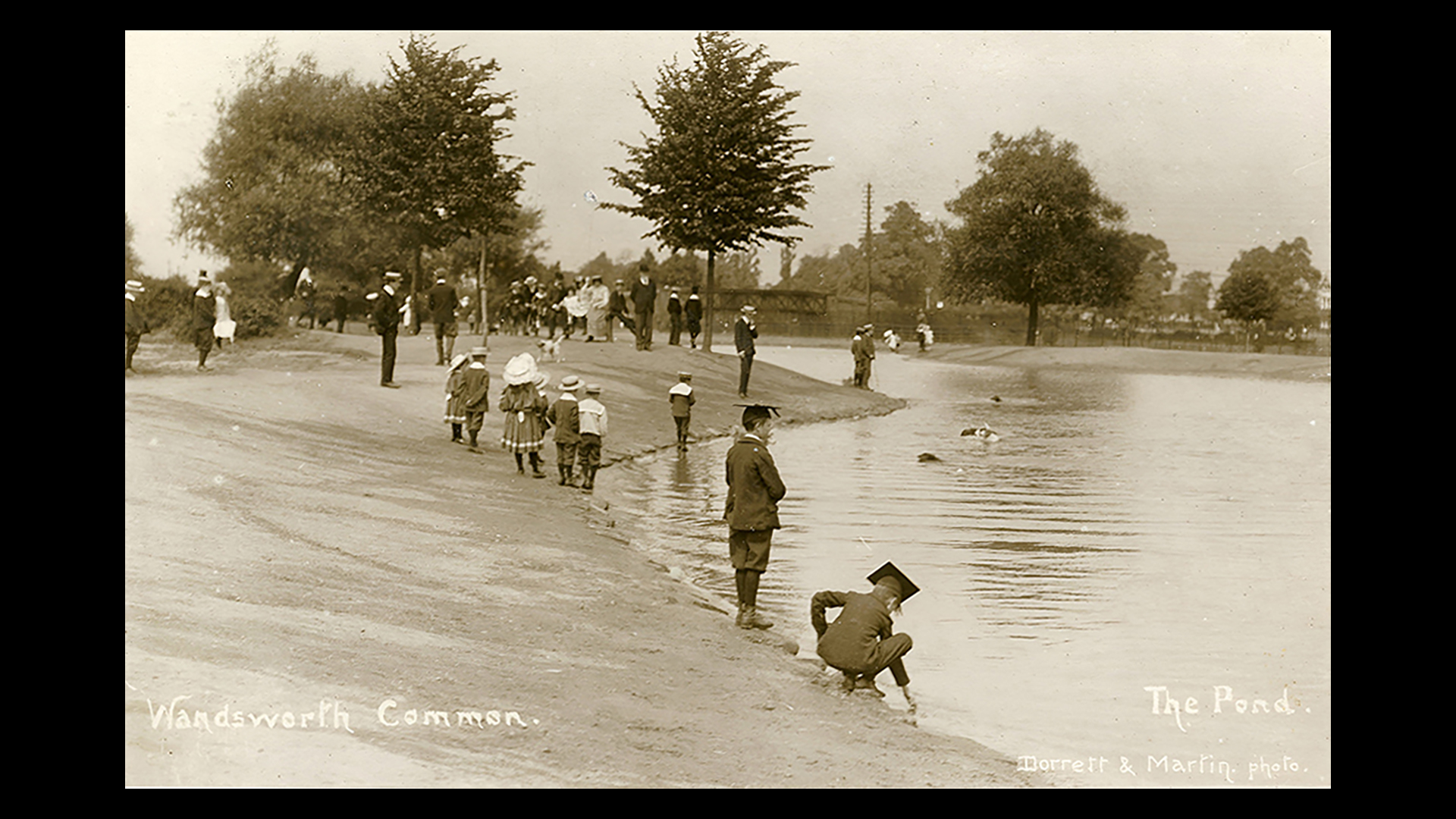
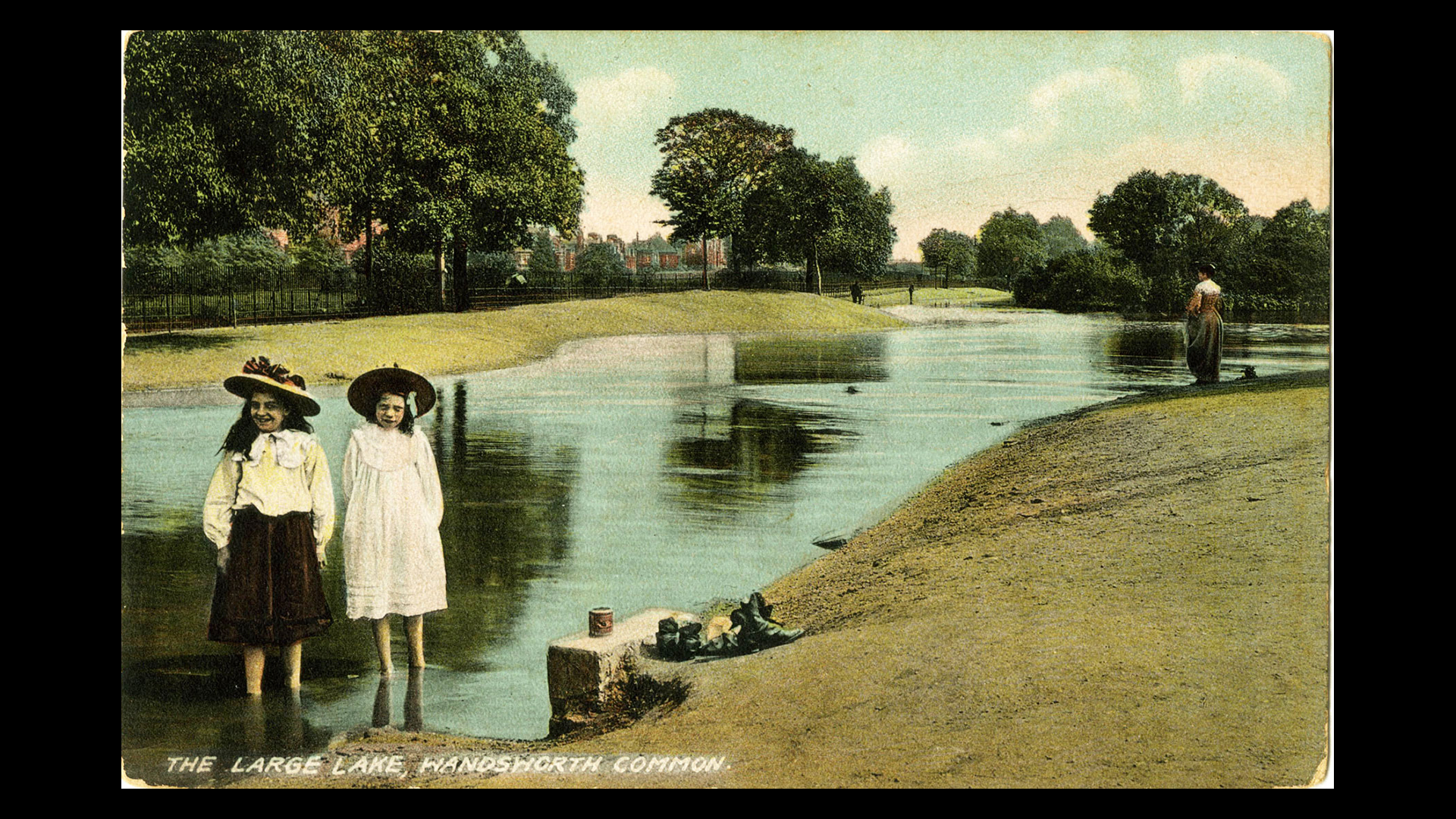
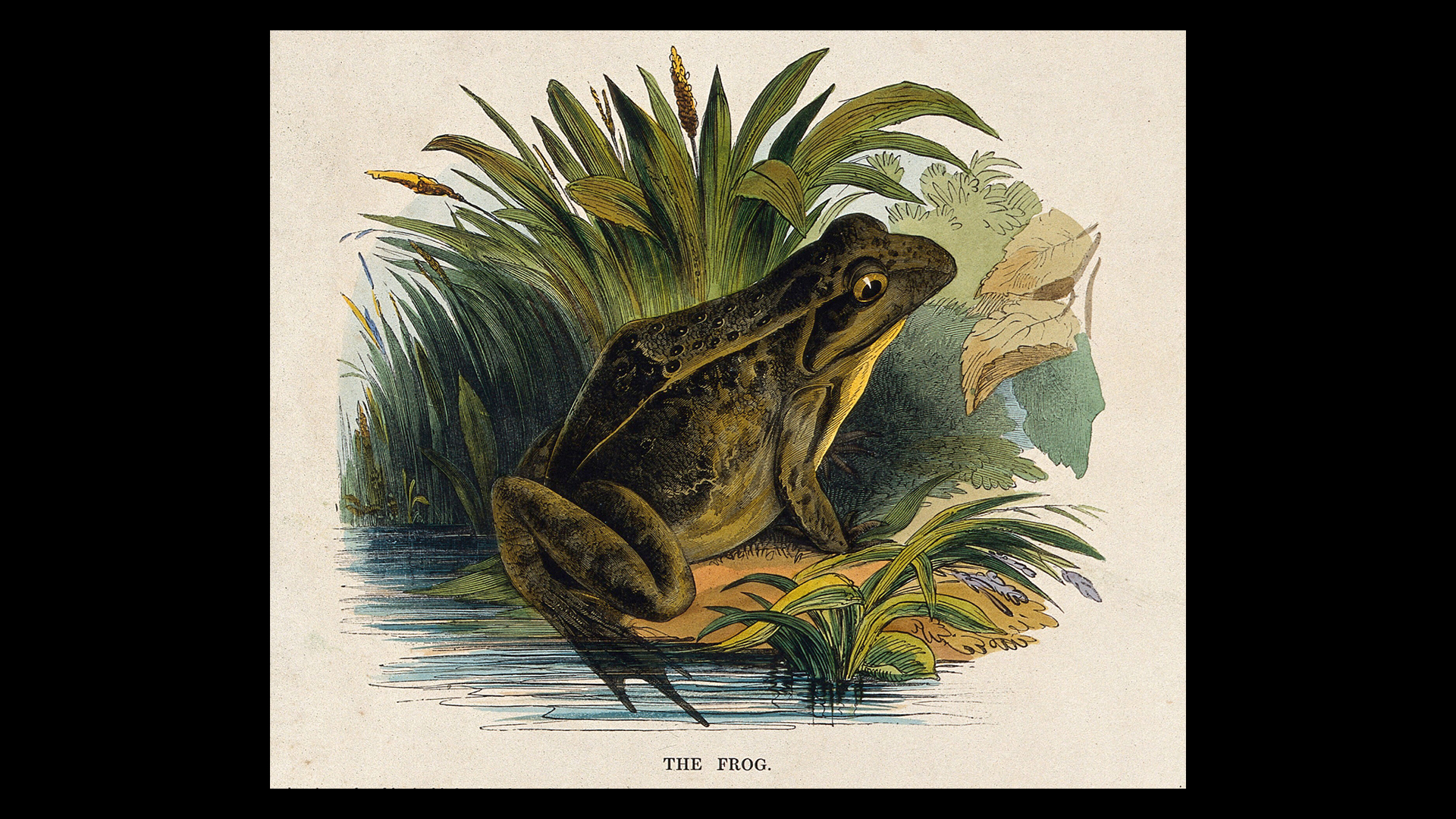
The ponds were for paddling in. One of them, a shallow irregular one, weedy and rushy-margined, lying then in some broken ground between the Three Island and the railway, was full of effets [newts] and frogs.
[The dark side . . . ]
Bigger boys would torture the frogs, by cuffing, skinning or crushing them alive. The sharp penknives sank through the skin and the soft bone into the wood of the seat which was the operating table. The seat and the earth under and about it would be strewn with fragments, pale bellies slit up, and complete frogs seeming to be munching their own insides. At that time I could [40] not have done it myself, but my horror lacked pity and turned into a kind of half-shrinking, half-gloating curiosity.
I fished for sticklebacks and gudgeon in the long pond on the far side of the railway, which owed its name of "Backaruffs" or "Pack of Roughs", so I always thought, to the poor ill-dressed boys who used to swarm to it from Battersea on Saturdays and bank holidays. I fished with a worm either tied on the cotton line or impaled on a bent pin, and put my stickleback or my rare lovely spotted gudgeon in a glass jam-jar.
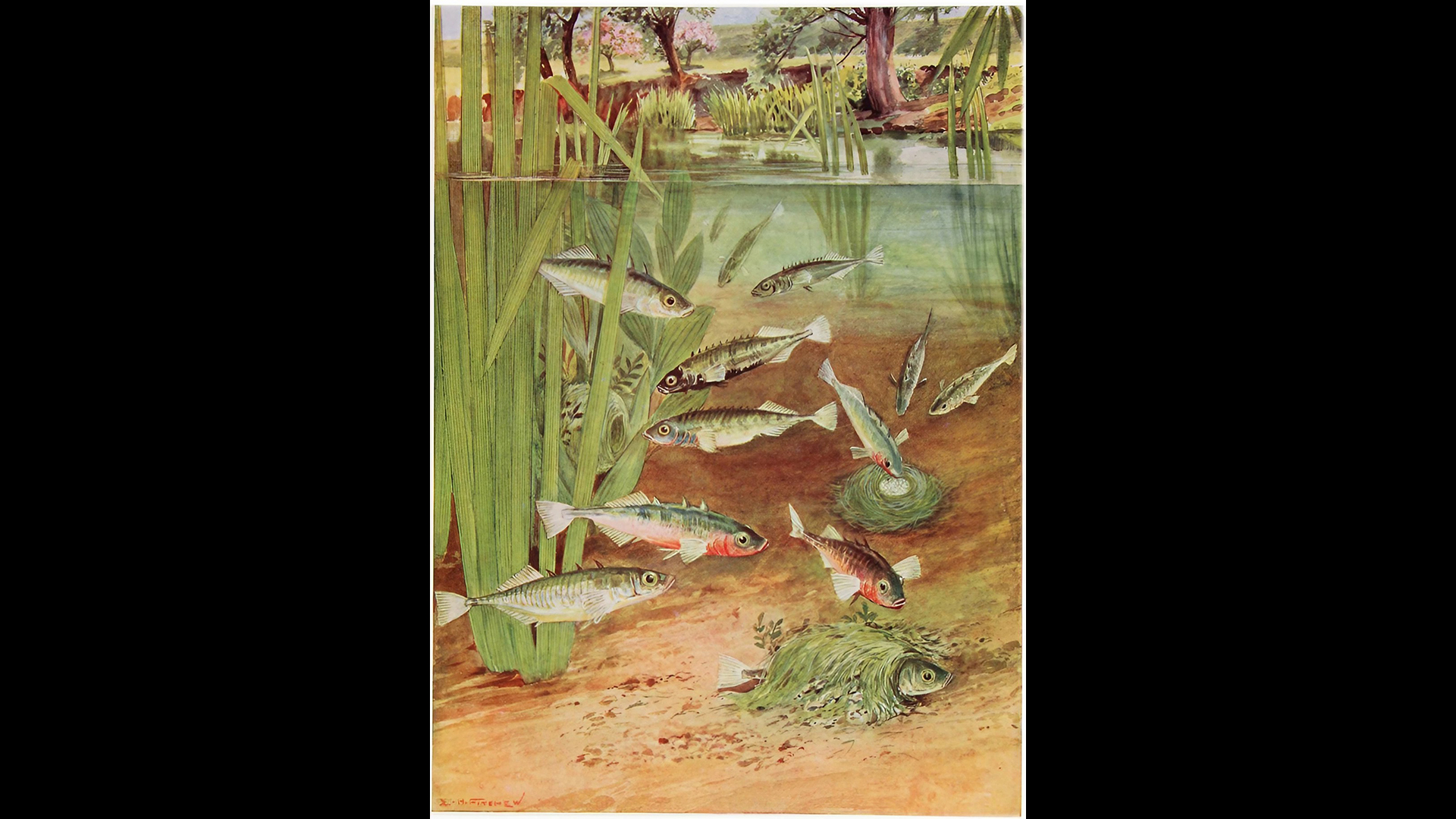
Once at least I did as I had seen others do, hauling a heavy fruit basket out into the pond and dragging it in full of weed and mud and the little "blood worms" that breed in mud, and sticklebacks, even a red-throated one, but never a gudgeon.
[I've read another account of dragging for fish on the Common - this was George Tones, "Youthful Times in 1930s Battersea", Wandsworth Historian no 96.
[NB George Tones remembers dragging see George Tones, "Youthful Times in 1930s Battersea", Wandsworth Historian no 96.]
The lovely hot summer days seemed to go on forever, and we would go around in groups of boys and girls together. On summer evenings we would walk up Plough Road hill to Wandsworth Common, fill some lemonade bottles with water, buy some sherbet and make our own lemonade. Then we would sit around in a circle telling stories and singing.
Otherwise, on summer days, we would get a sack and go 'dragging' up on Clapham Common; two of us would hold the four corners of the sack and drag it in the pond. We would catch tiddlers and put them in jam jars.
On a really hot day we would take our clothes off and go swimming naked in the pond. One day the keeper caught us, and we had to grab our clothes and run across the common as fast as we could.
[George Tones, "Youthful Times in 1930s Battersea", Wandsworth Historian no 96. [George_Tones_memoir_wc_fishing_swims_naked_etc_WH96_2013.pdf] ]
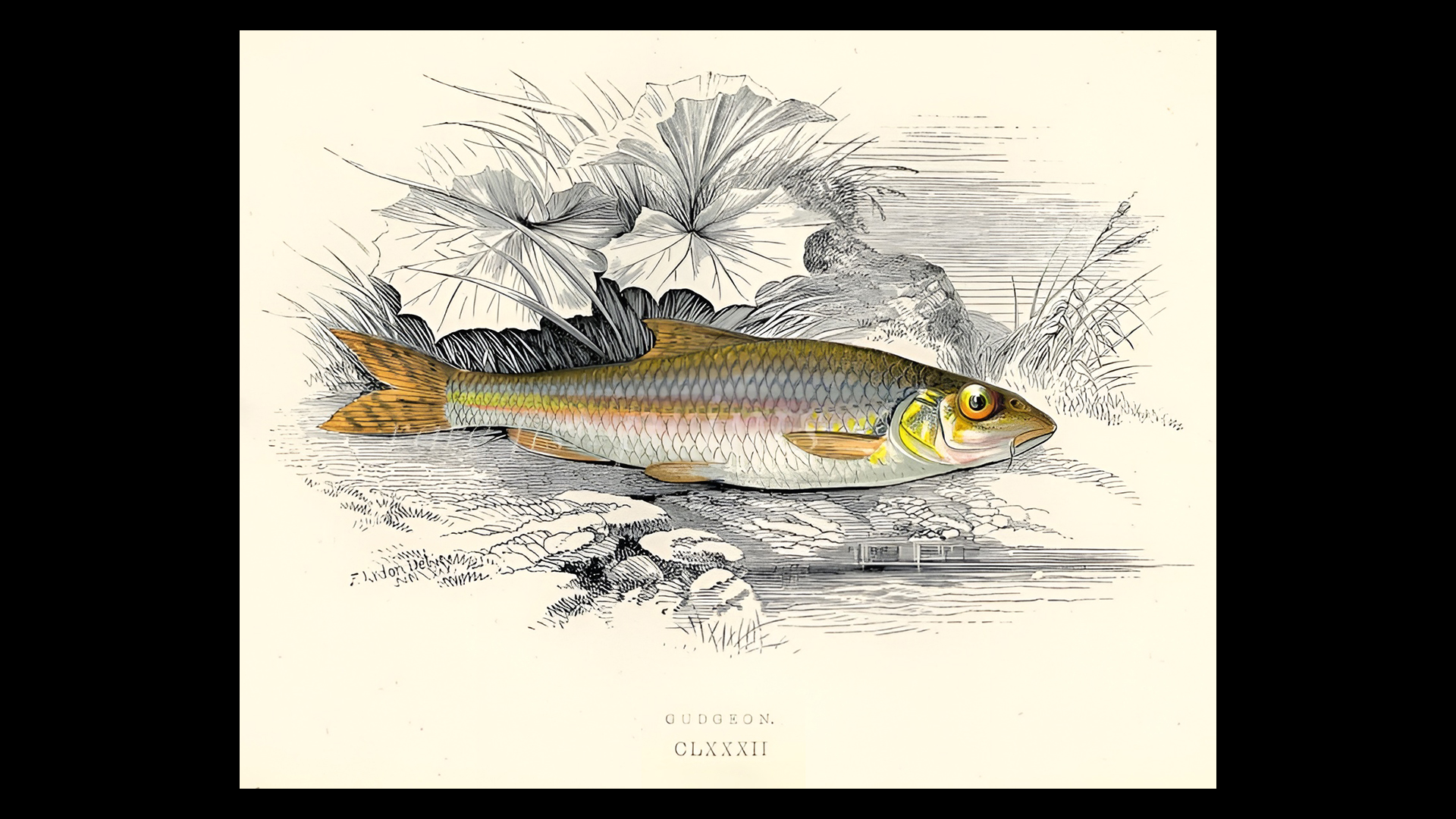
The gudgeon was so attractive, partly for its looks, perhaps chiefly for its comparative size, that many times I willingly paid a halfpenny for one and let it be believed that I had caught it. Even when dead it was hard to part with, so smooth and pure was it. I liked even its smell, yet never dreamed of eating it.
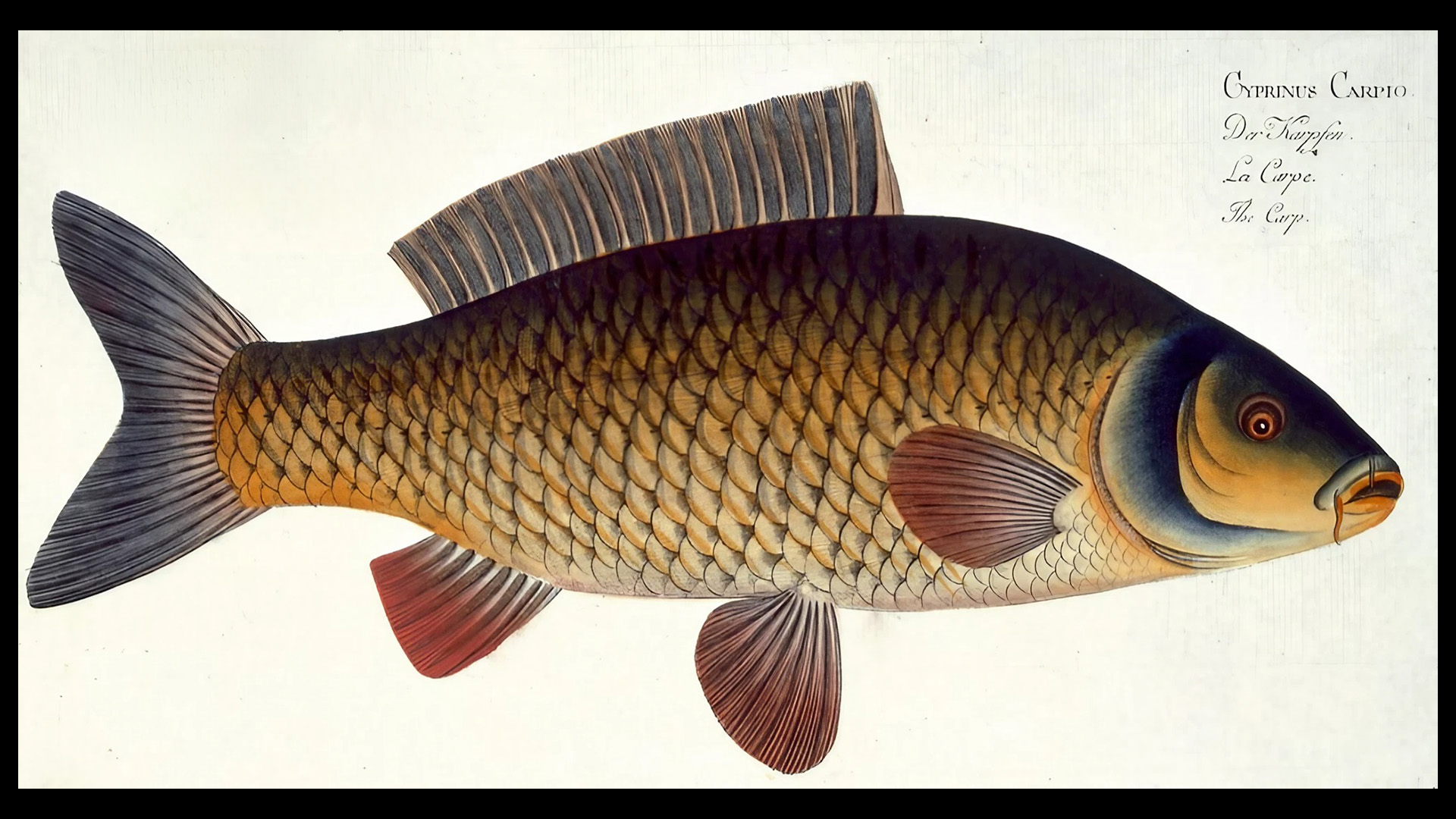
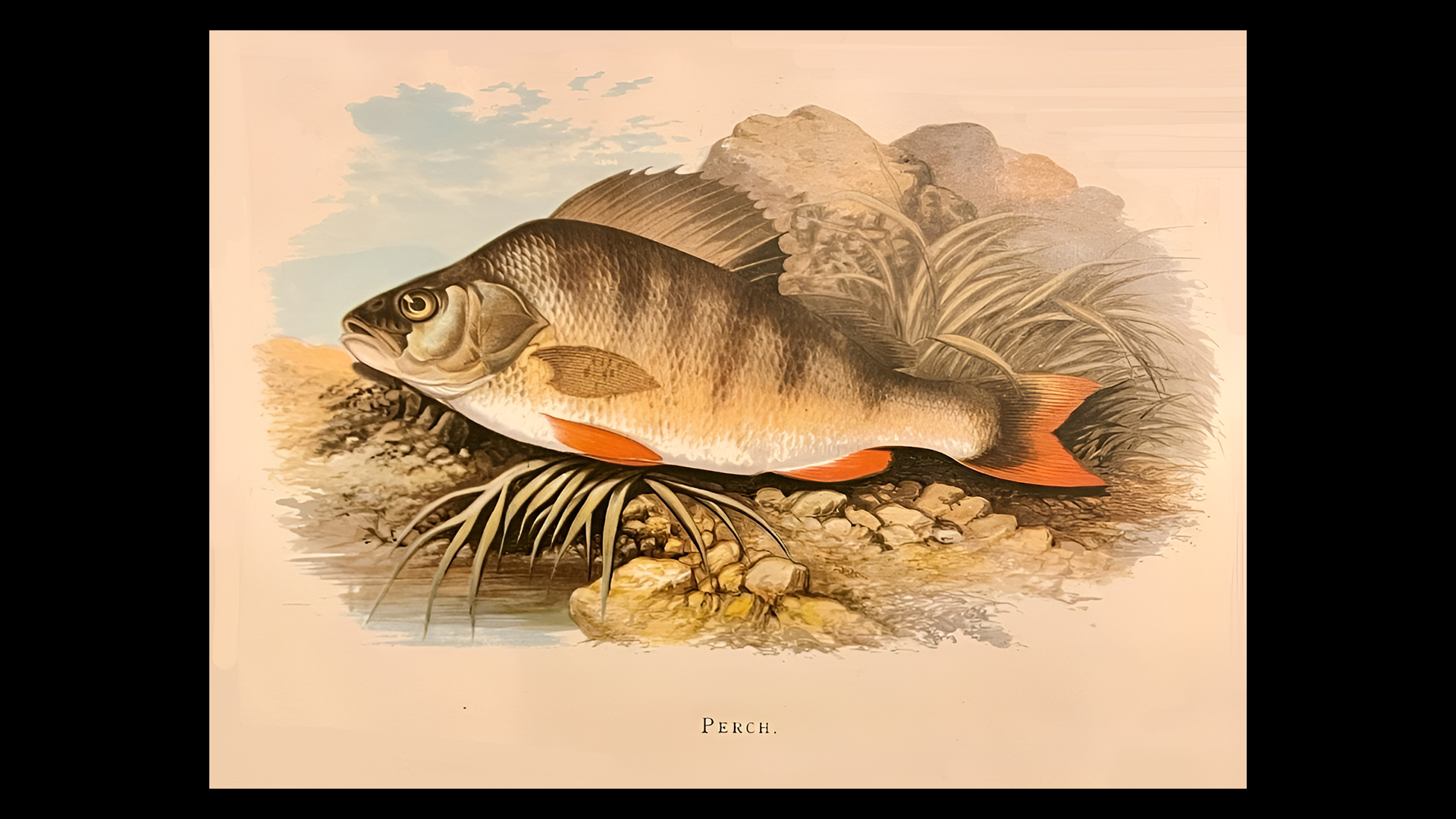
There were carp, too, in this pond and in the roundish Box Pond that lay half-way between the top of our street and the railway.
By the longer pond I once saw a carp many times as big as a gudgeon in the possession of a rough: he had torn its head off to make it fit his jar. Much larger ones were talked about, caught in the Box Pond by the elder brothers of one boy. I saw them fishing there once or twice without a motion of the float in [41] the motionless water. Once I tried there myself all alone. My expectations were huge: that I failed completely only increased my respect for the sacred pond.

You might like to see some recent photos of carp in the lake. I bet Edward Thomas would have loved these scenes:
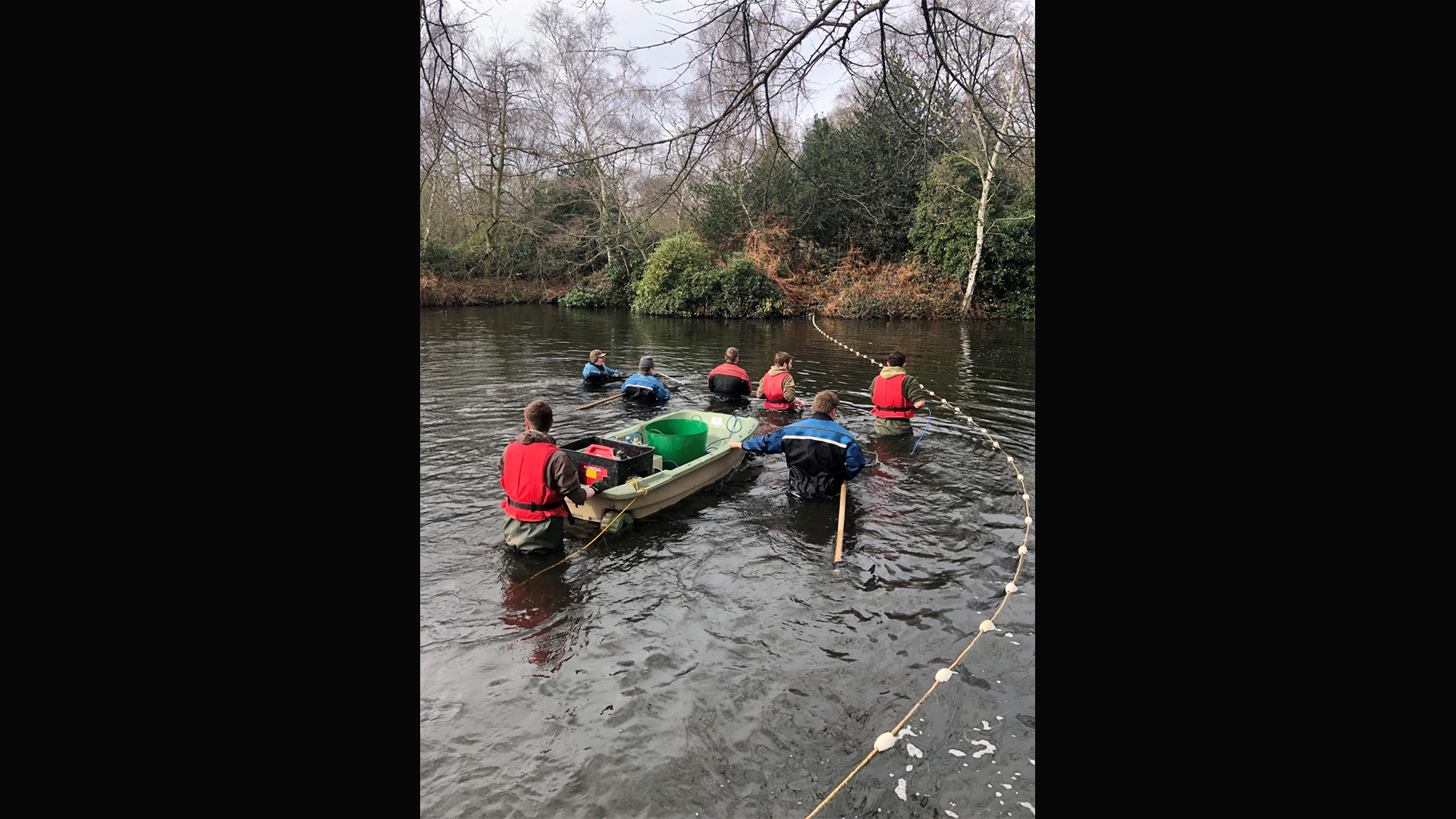
I would like to thank Mick Green of Enable for providing these images.


I really wish I could just carry on from here, and talk about how the teenage Edward met Helen Noble, and what happened then.
I hope one day I'll get a chance to talk or write about it in more detail. But in the meanwhile here's a potted version:
Edward had attracted the attention of the minister at a local Unitarian church on East Hill, who suggested he should meet someone in the congregation, the literary critic, poet and publisher James Ashcroft Noble.
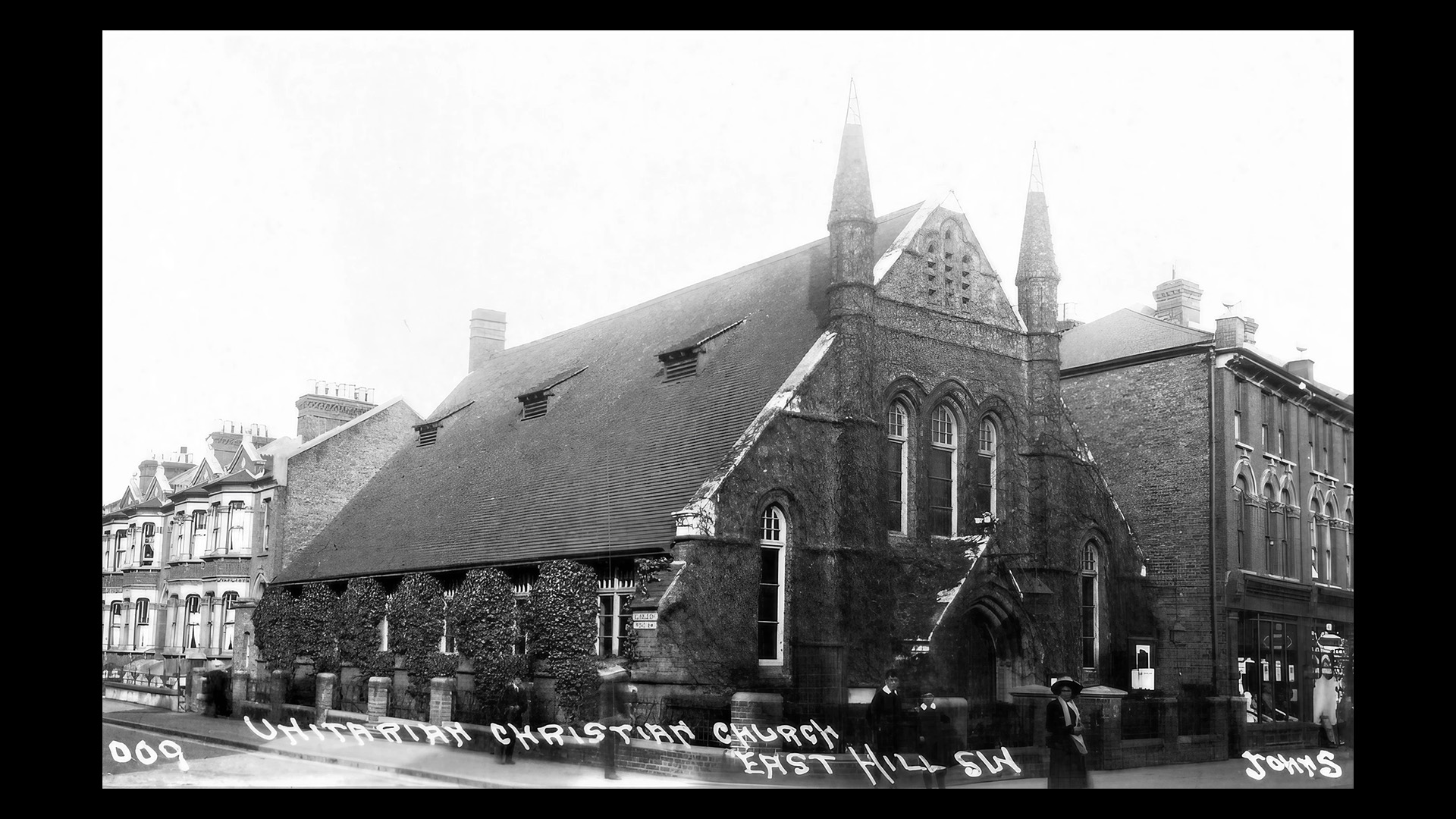
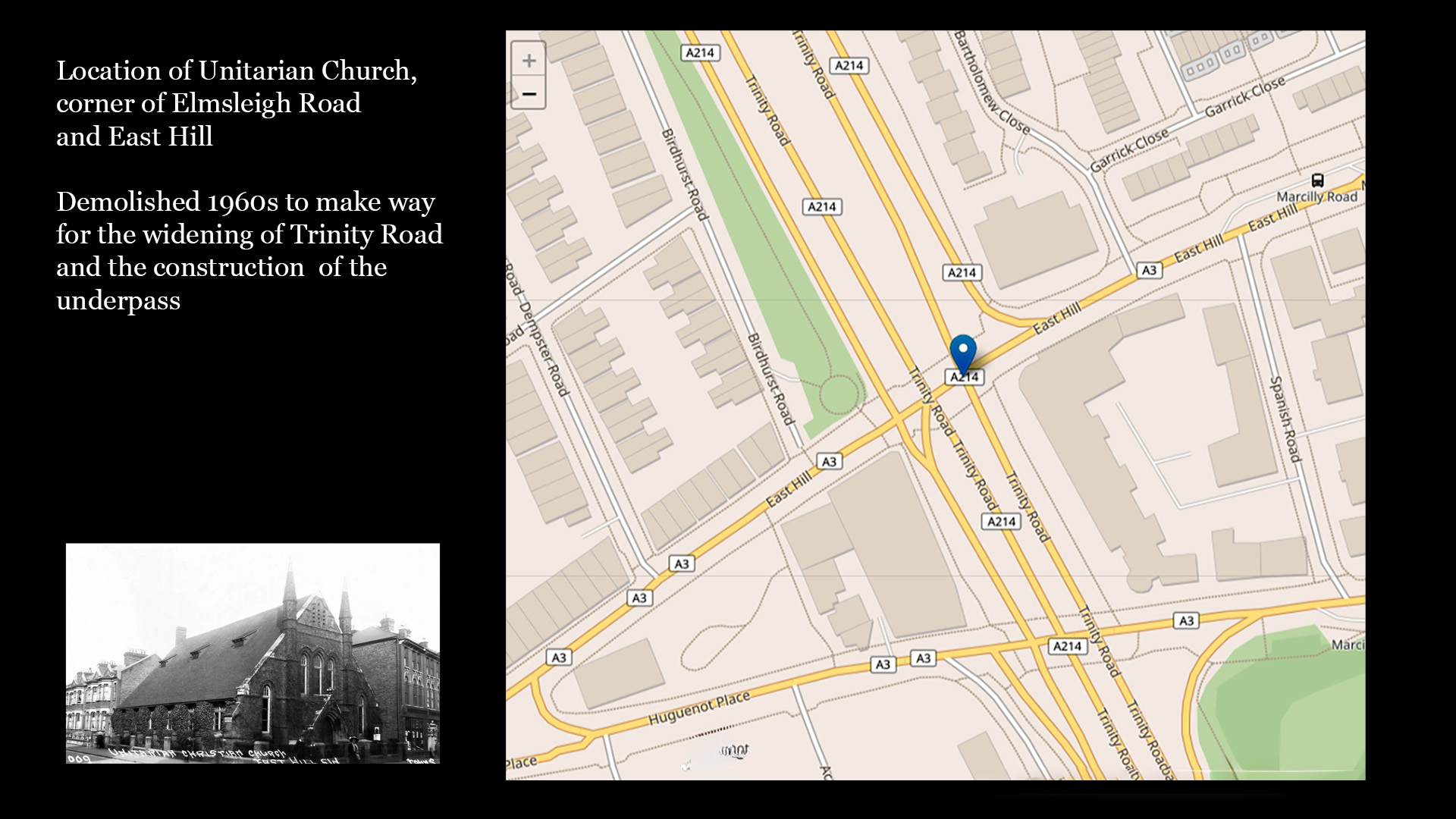
Edward hated the church. And hated Sundays. (He writes brilliantly about just how awful it was.)
James Ashcroft Noble was living with his family at the Earlsfield Road end of 15 The Grove in Wandsworth, which later became 37 St Ann's Hill. The house was later described by Helen "a little new villa in a row" — part of a section called Agincourt Villas, which was destroyed in July 1944 by a flying bomb.
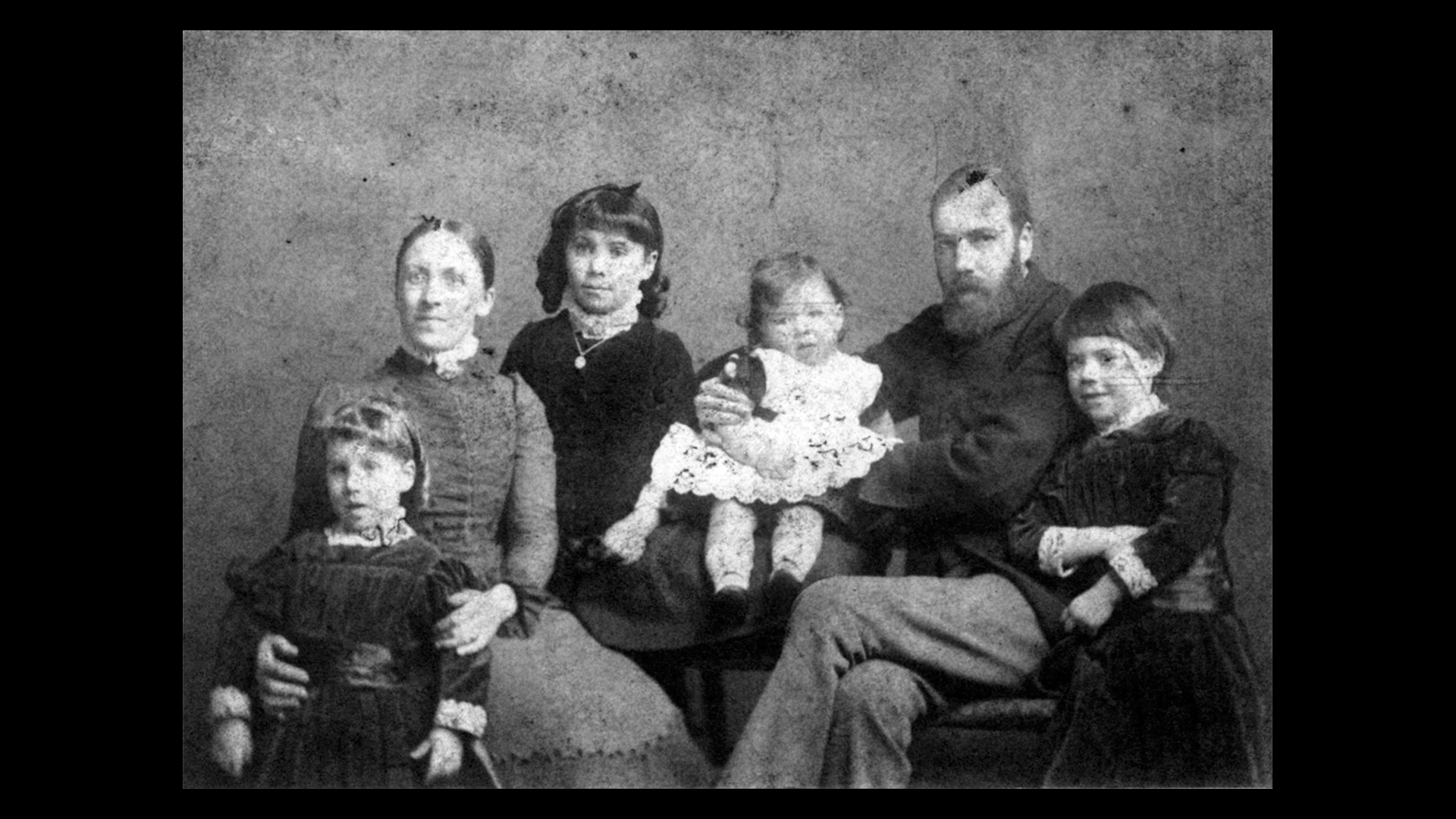
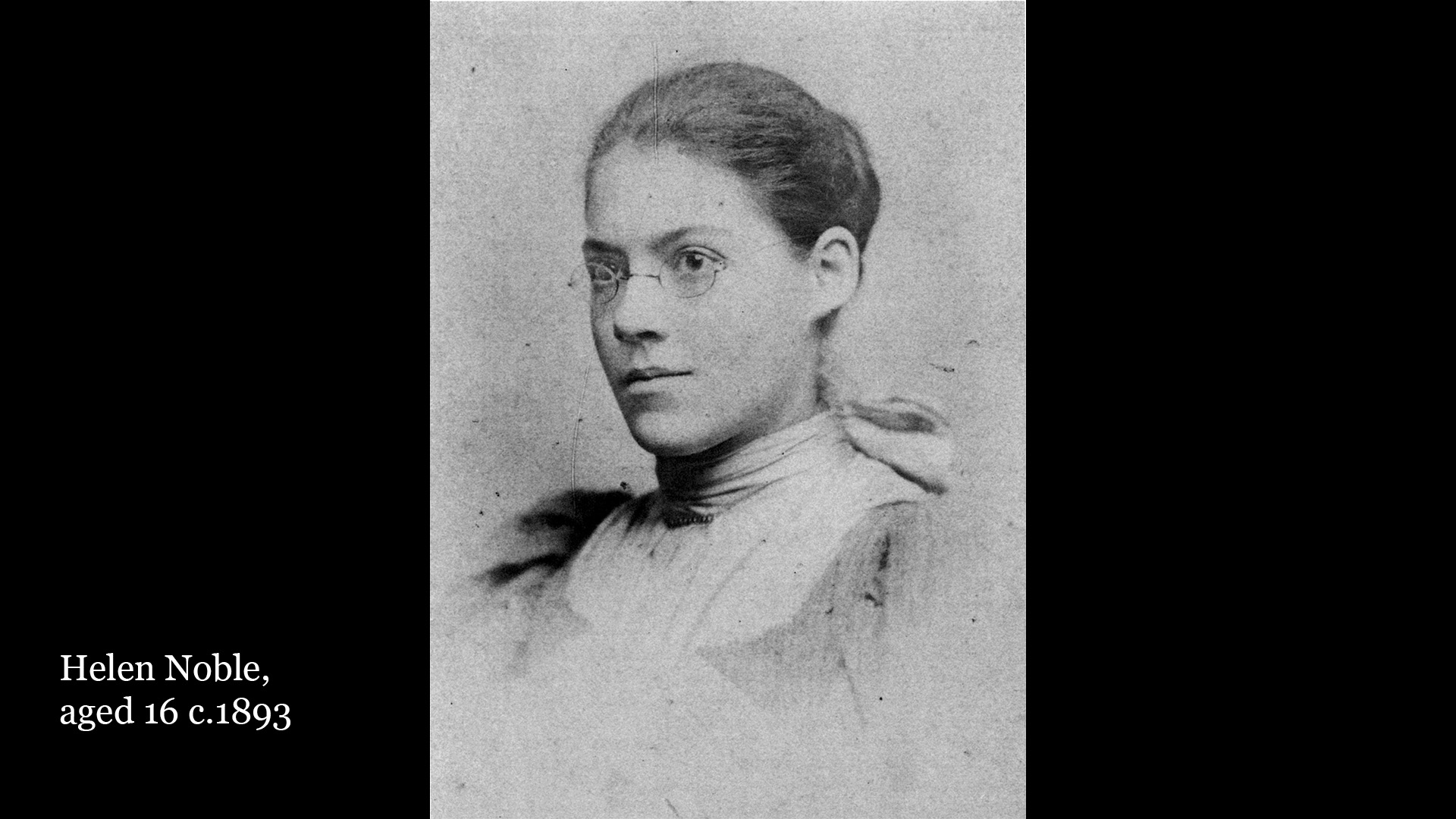
Edward became a frequent visitor. Helen, her sisters and friends talked about him (only slightly sarcastically) as the "Young Genius".
The family soon moved to 6 Patten Road, in the "Toast Rack" (but then called College Park, a prestige development by the landowners, Magdalen College).
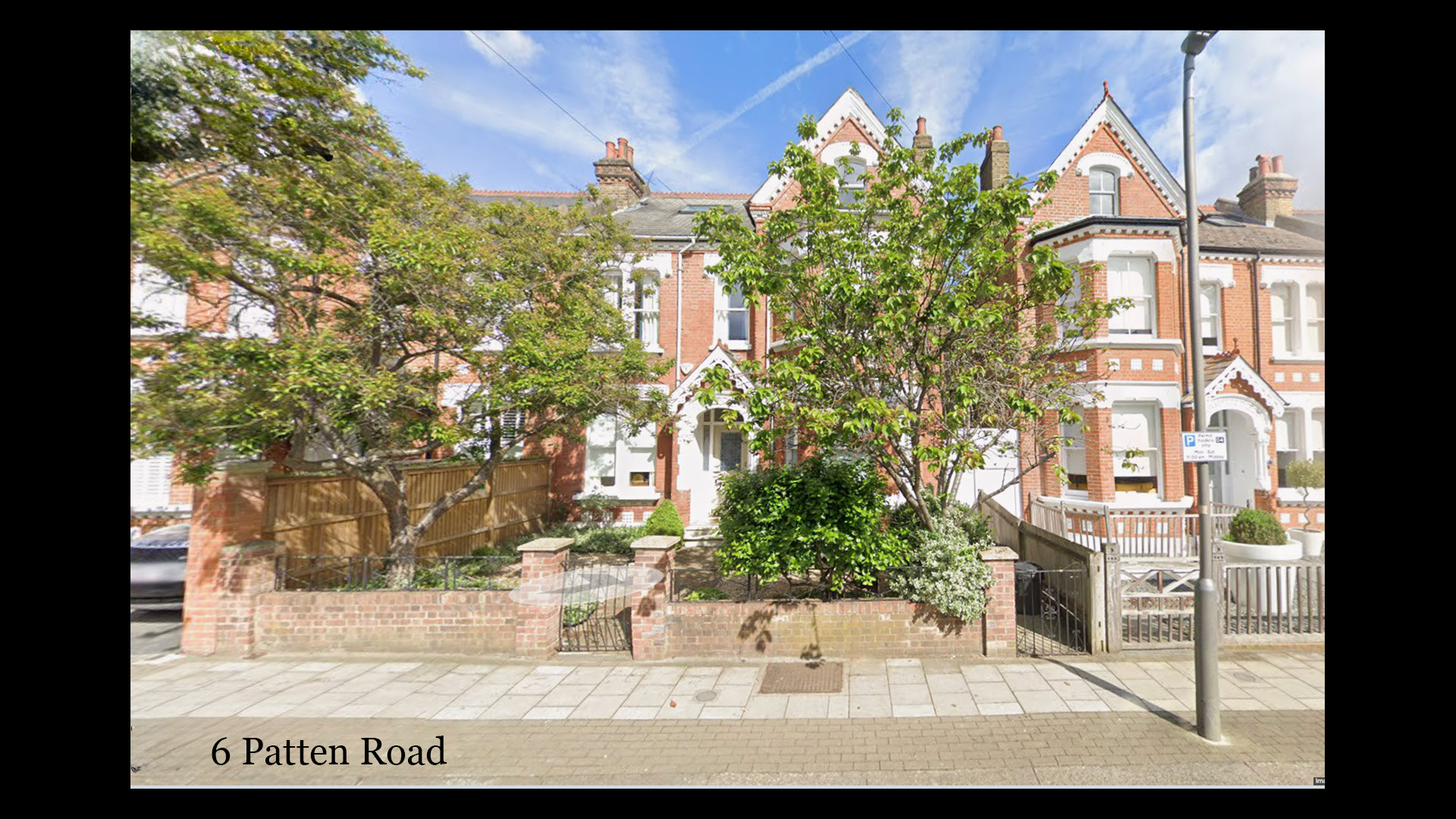
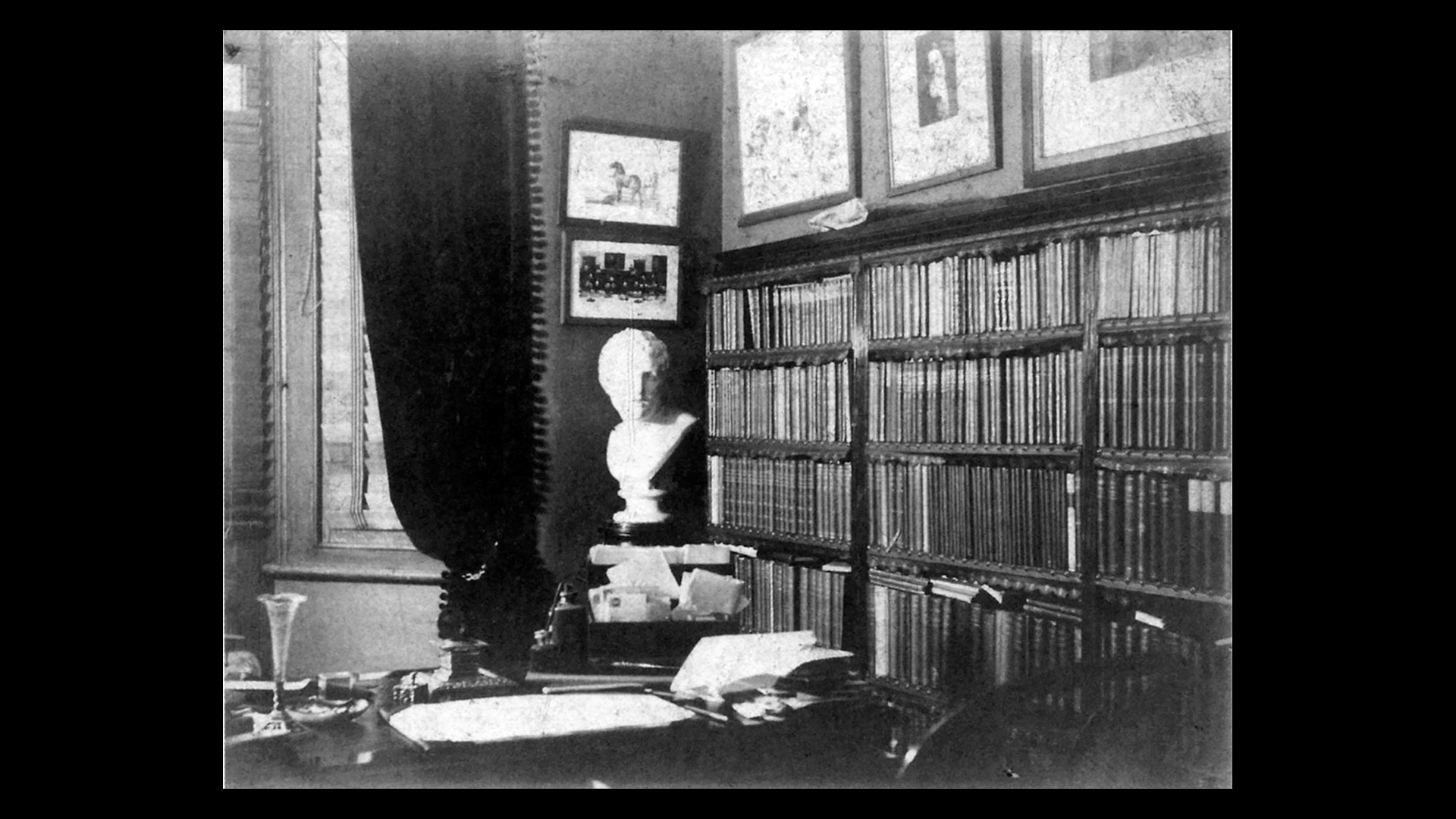
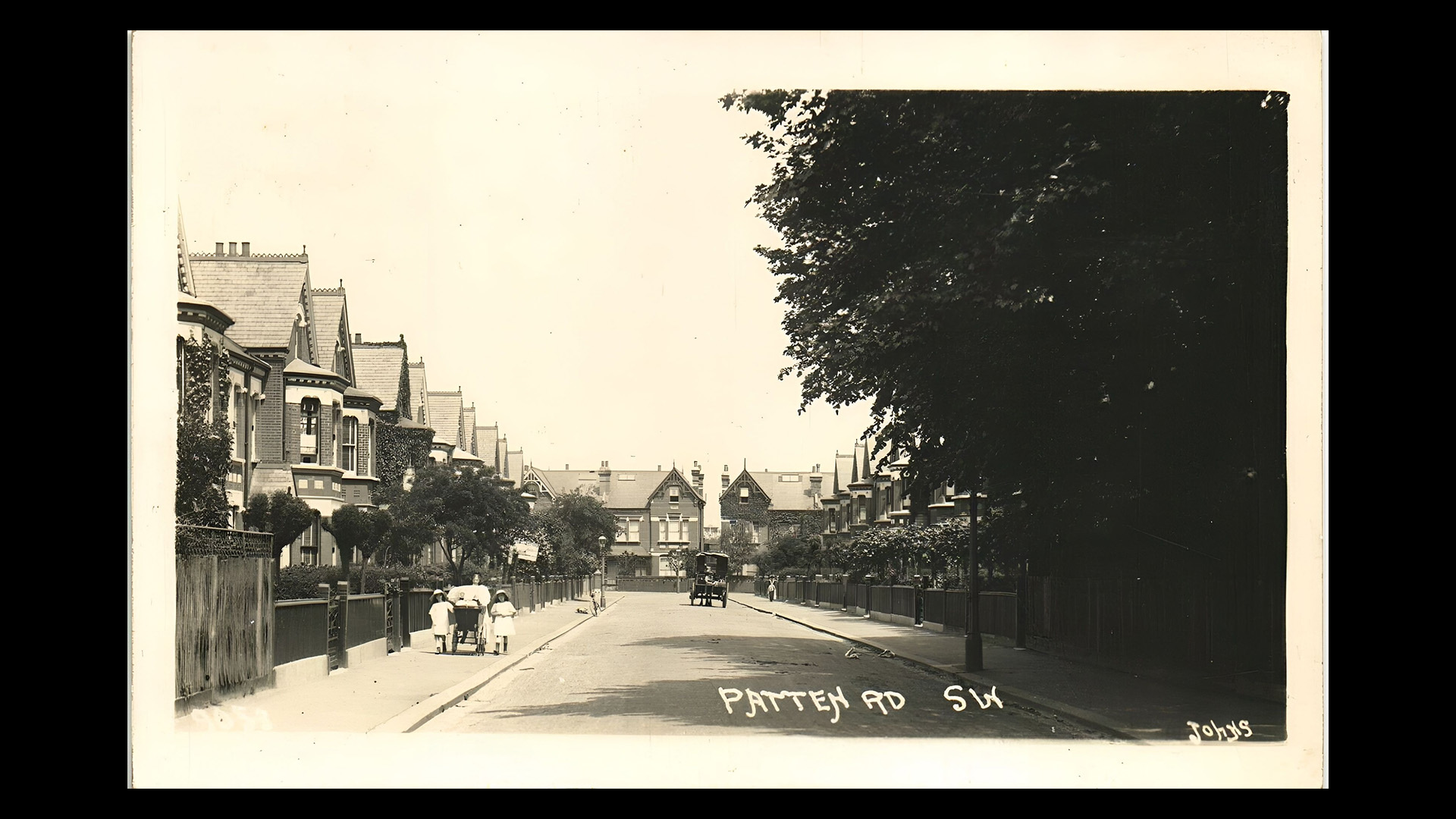
The area had until recently been an orchard (run by the Neal family), and there were beatiful cherry trees in the garden.
With James Ashcroft Noble's active encouragement (though not his wife's) the relationship between Edward and Helen flourished.
Naturally they had to cross and re-cross the Common to see one another. They shared their first passionate kiss here.
Helen became pregnant and moved to live with Edward's parents on Shelgate Rd.
Edward at this time was studying at Lincoln College, Oxford University.
He finished his degree and returnd home but the relationship between Edward and his (rather disappointed father) further deteriorated and the couple moved:
First to Atheldene road
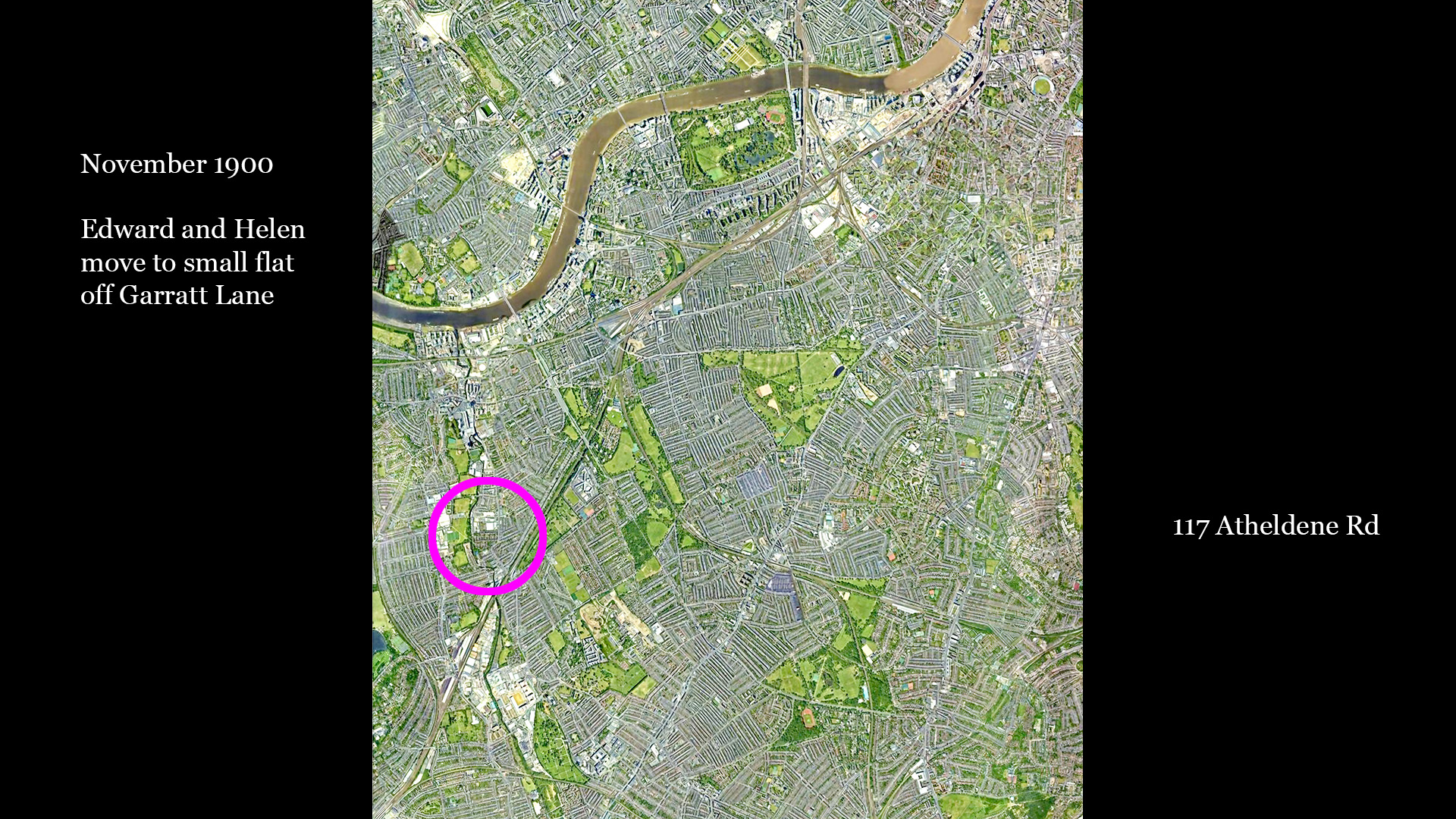
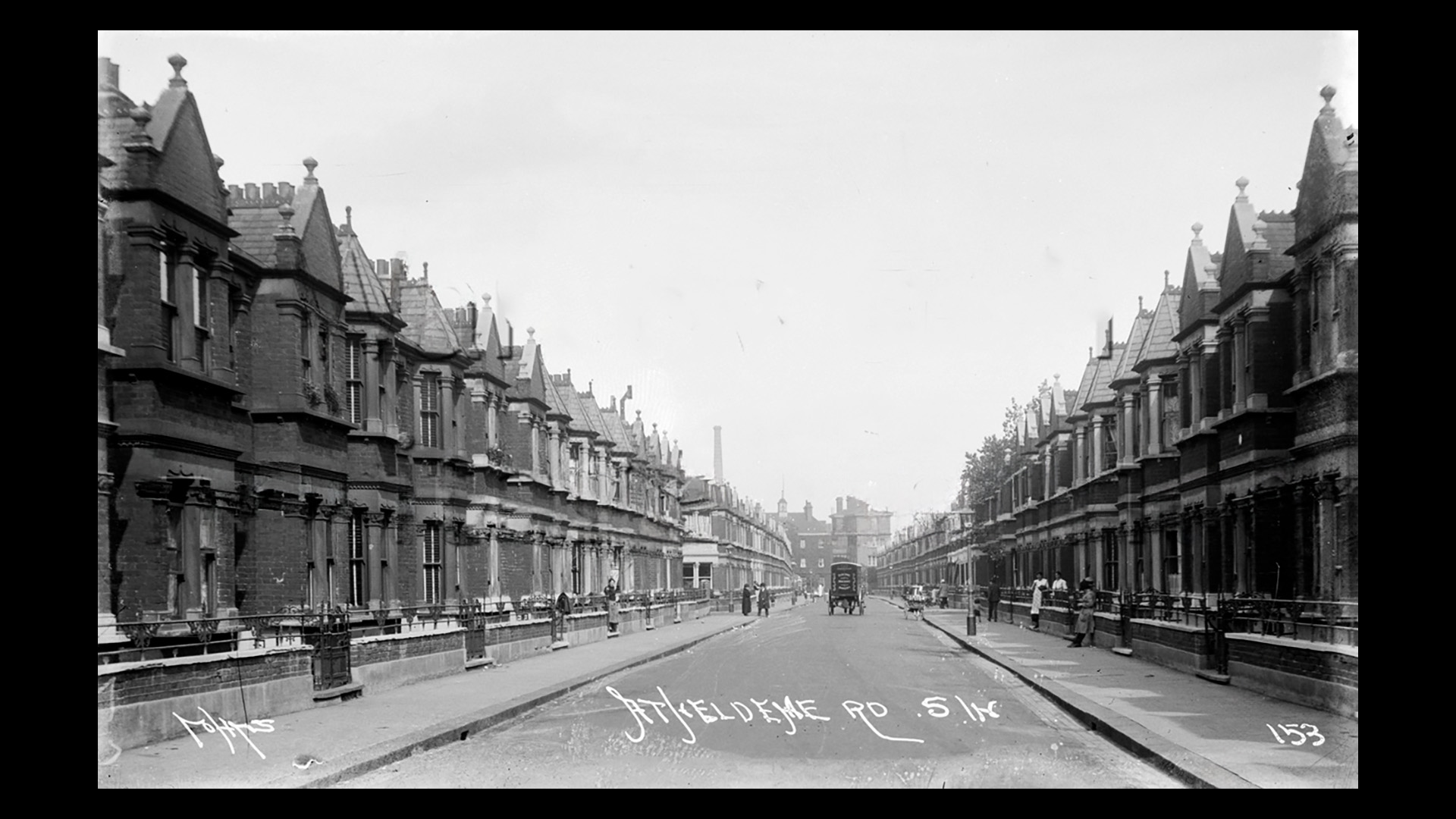
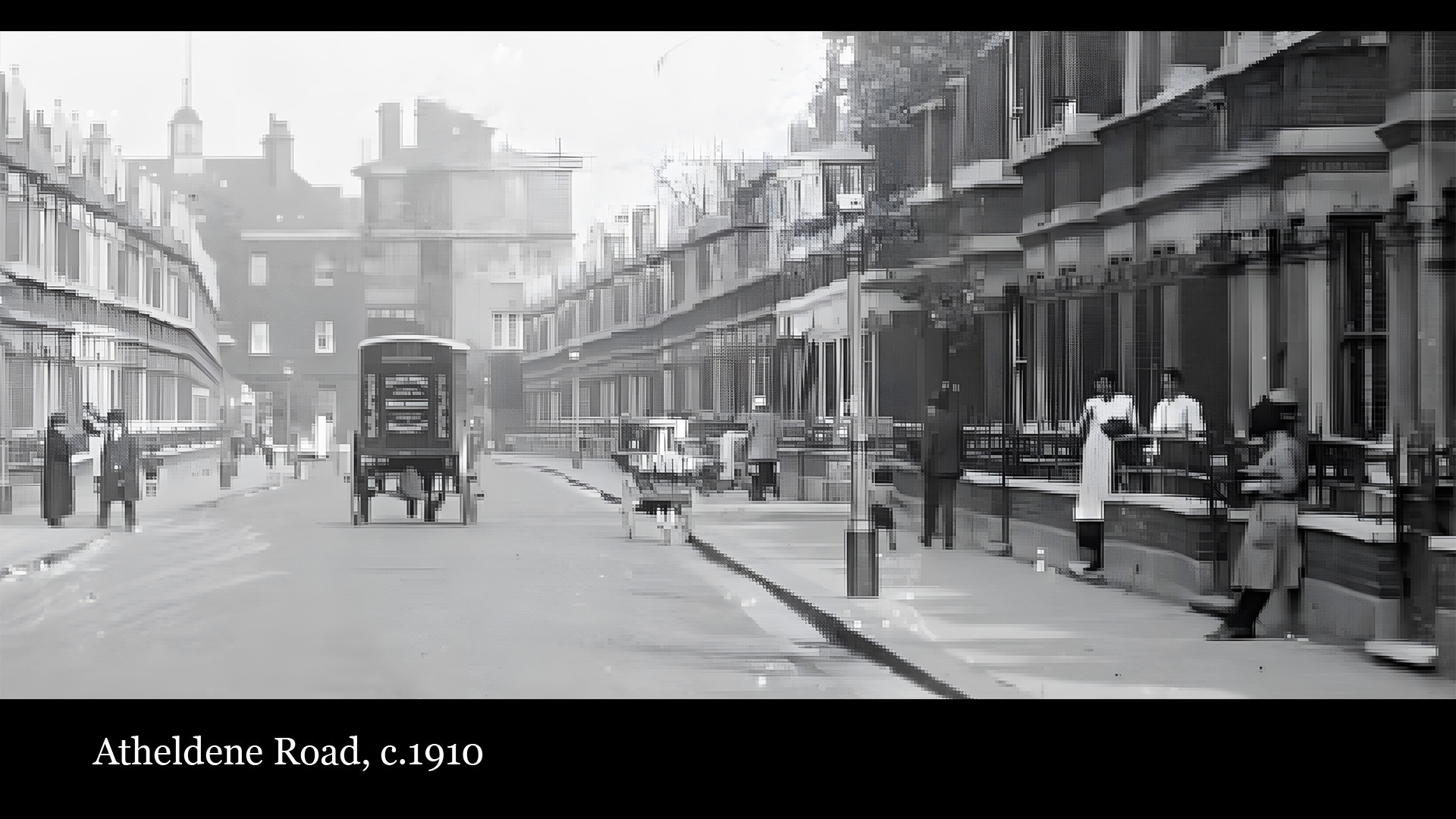
It was a very much poorer area than either Edward or Helen had been used to.
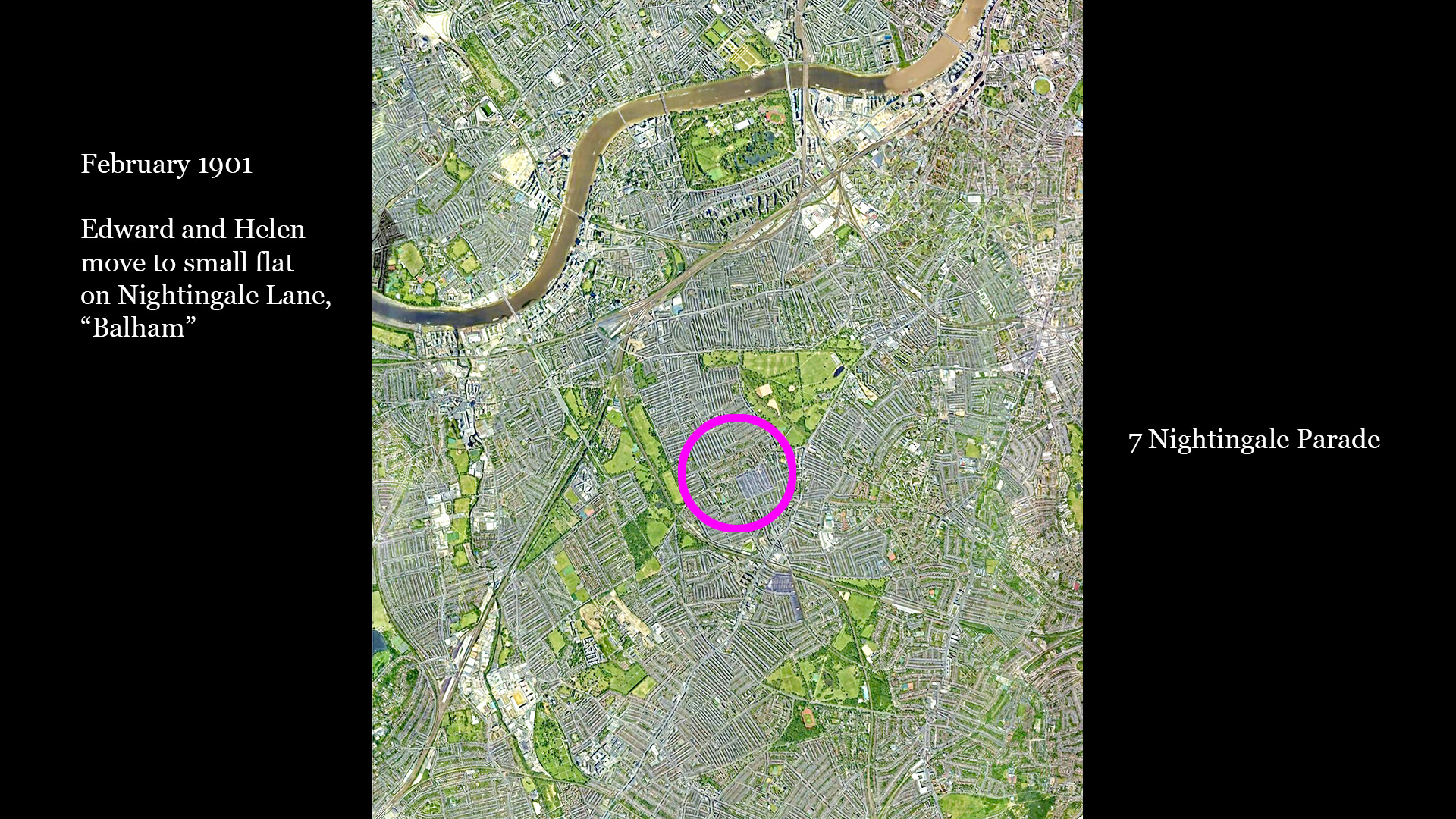
Then to Nightingale Parade, on Nightingale Lane
This was a much more agreeable area, of course. And very close to where Edward's parents moved on Rusham Road.
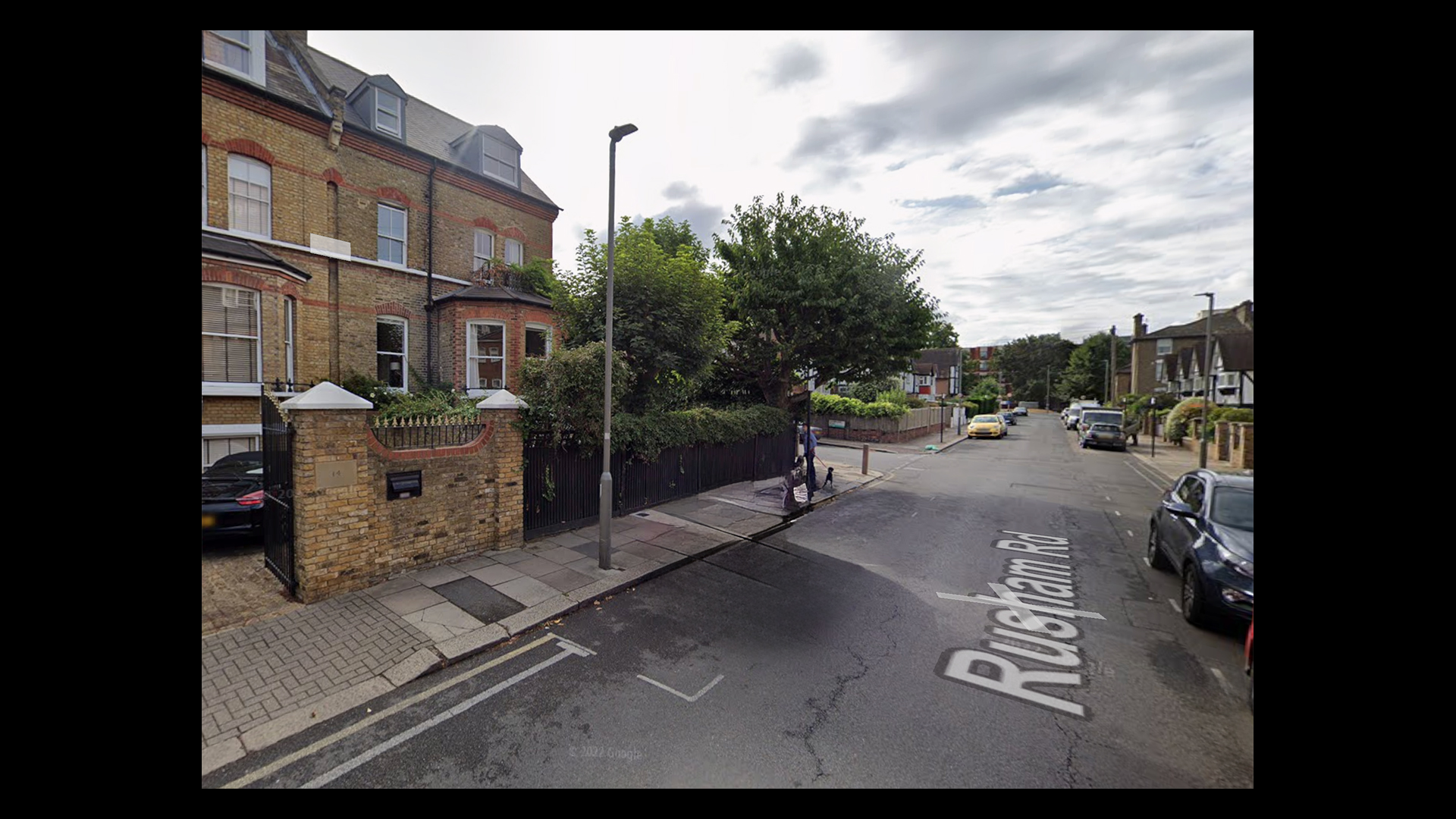
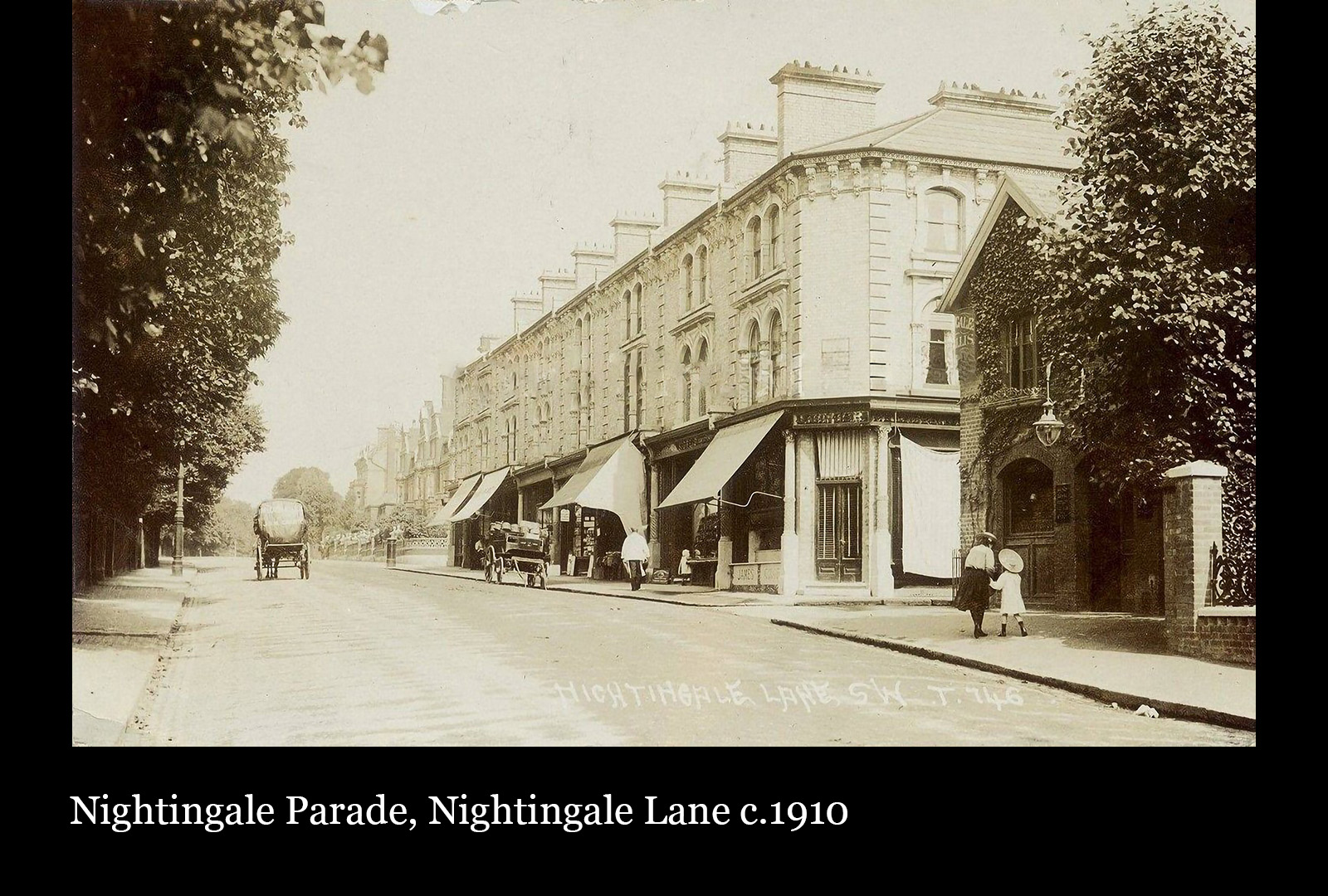
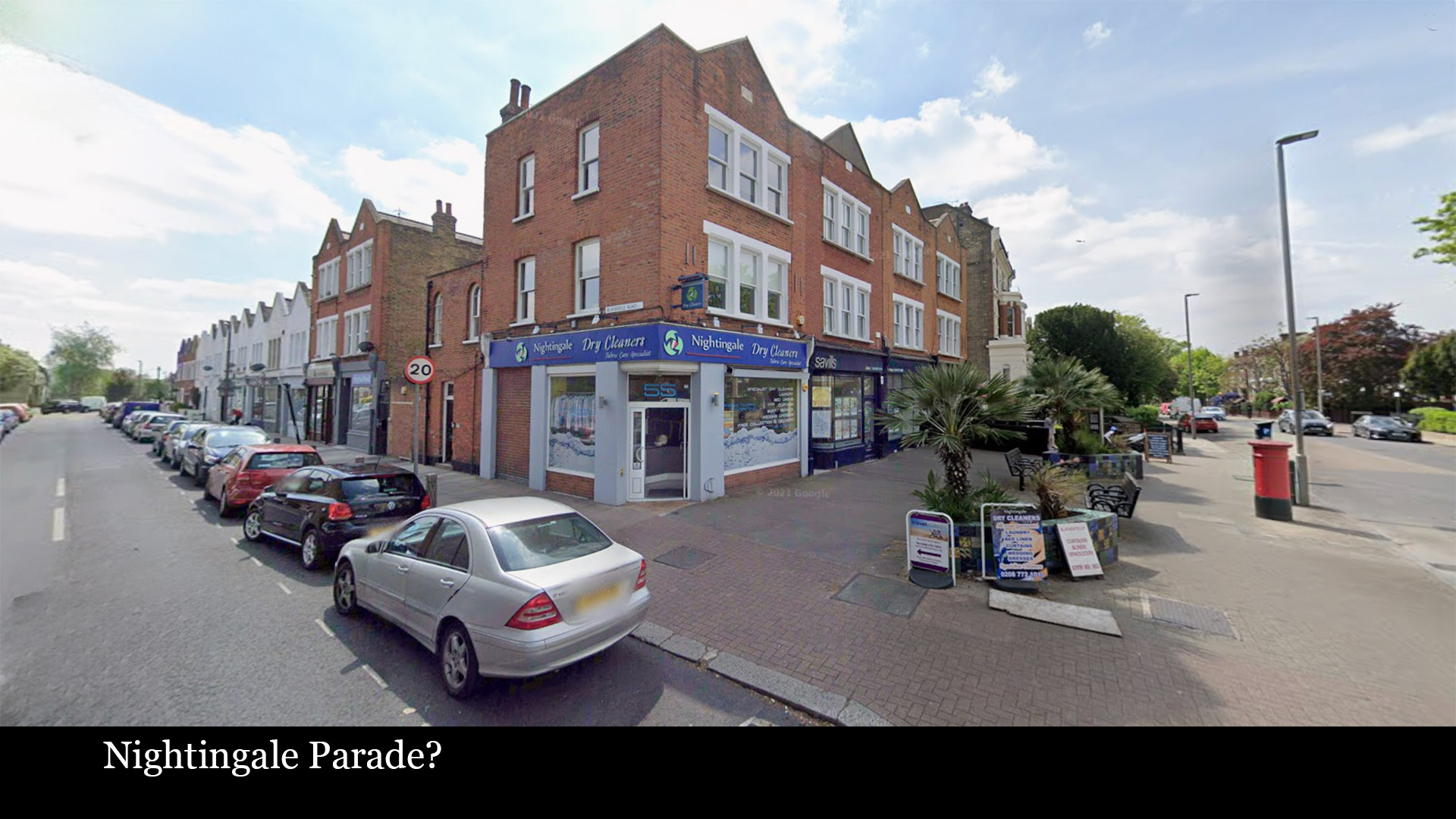
Having a new baby meant lots of photographs were taken.
Here's one of Edward and Merfyn taken on a visit to Wales:
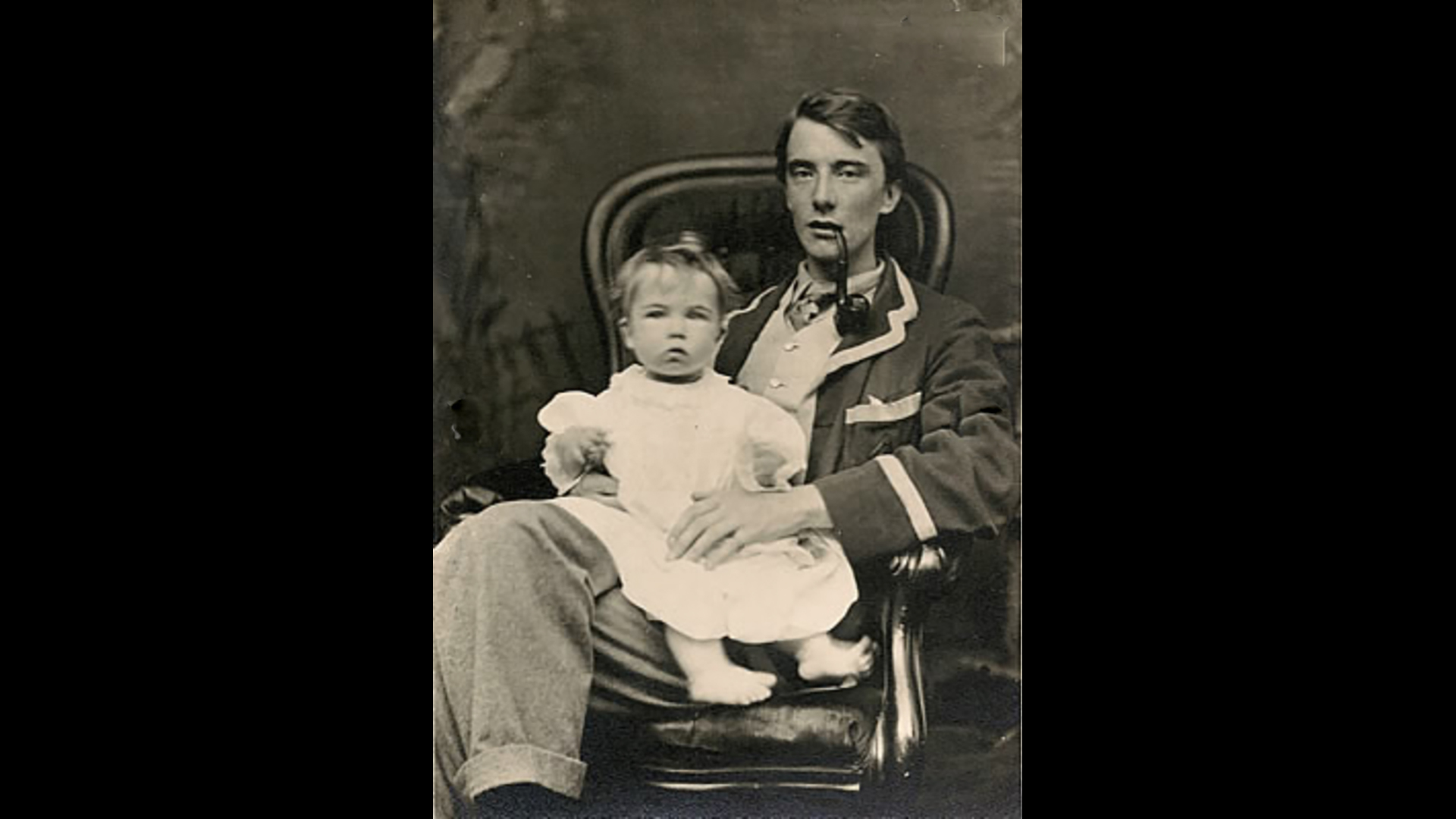
But most were taken at this time at Dorrett and Martin's studio on Bellevue:
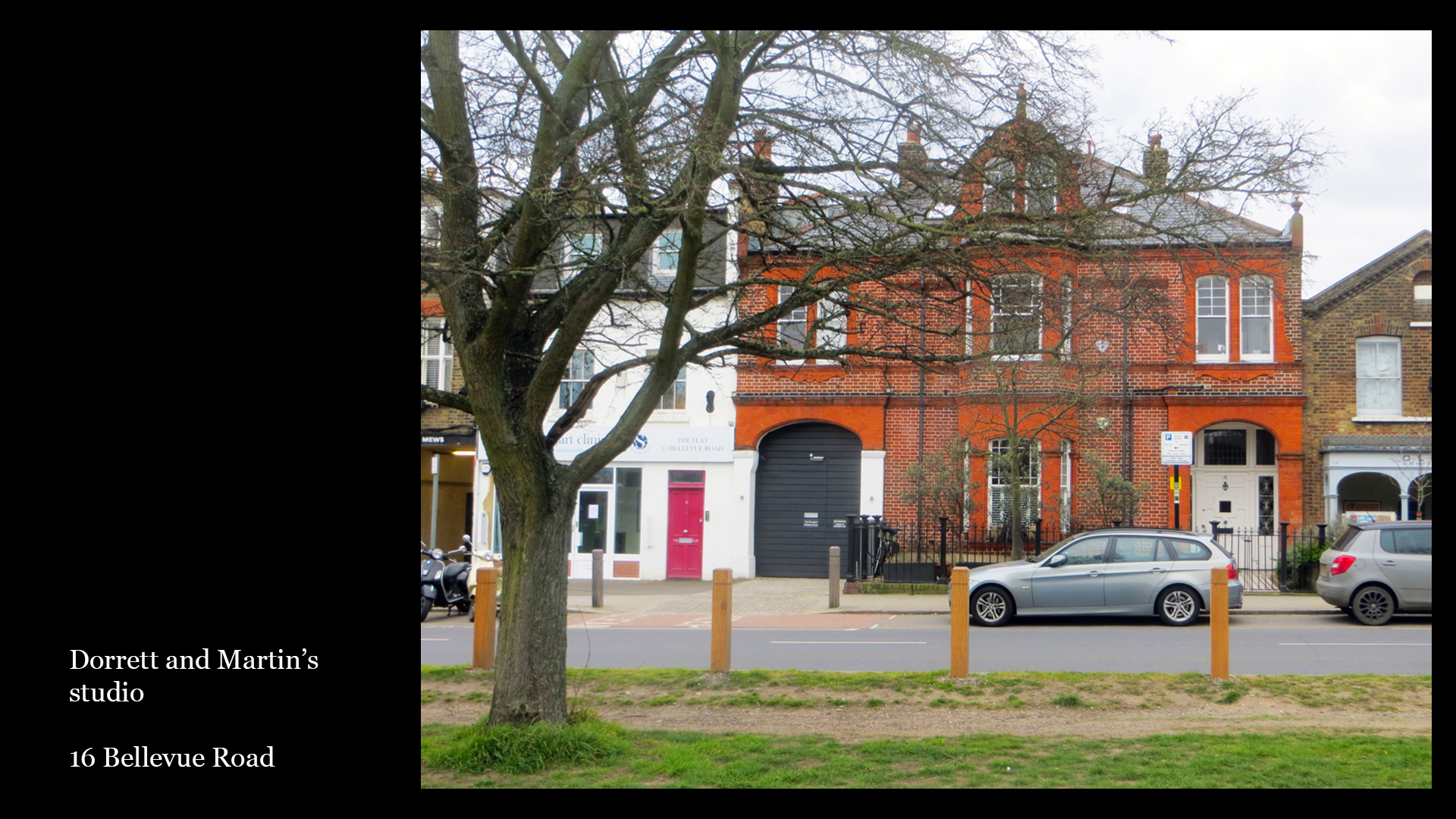
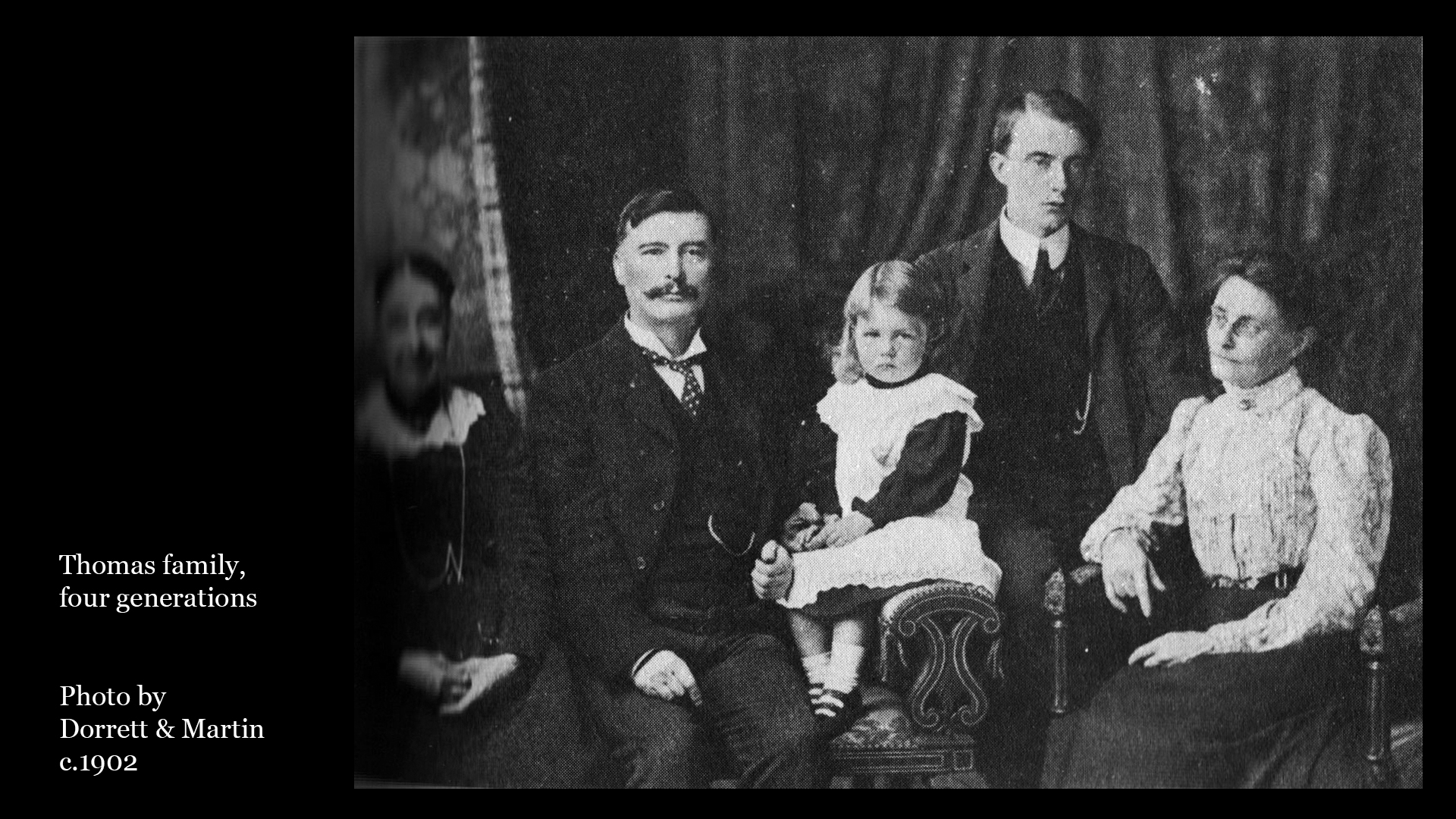
Two photographs of Helen with Merfyn, taken in the Dorrett and Martin studio c.1901.
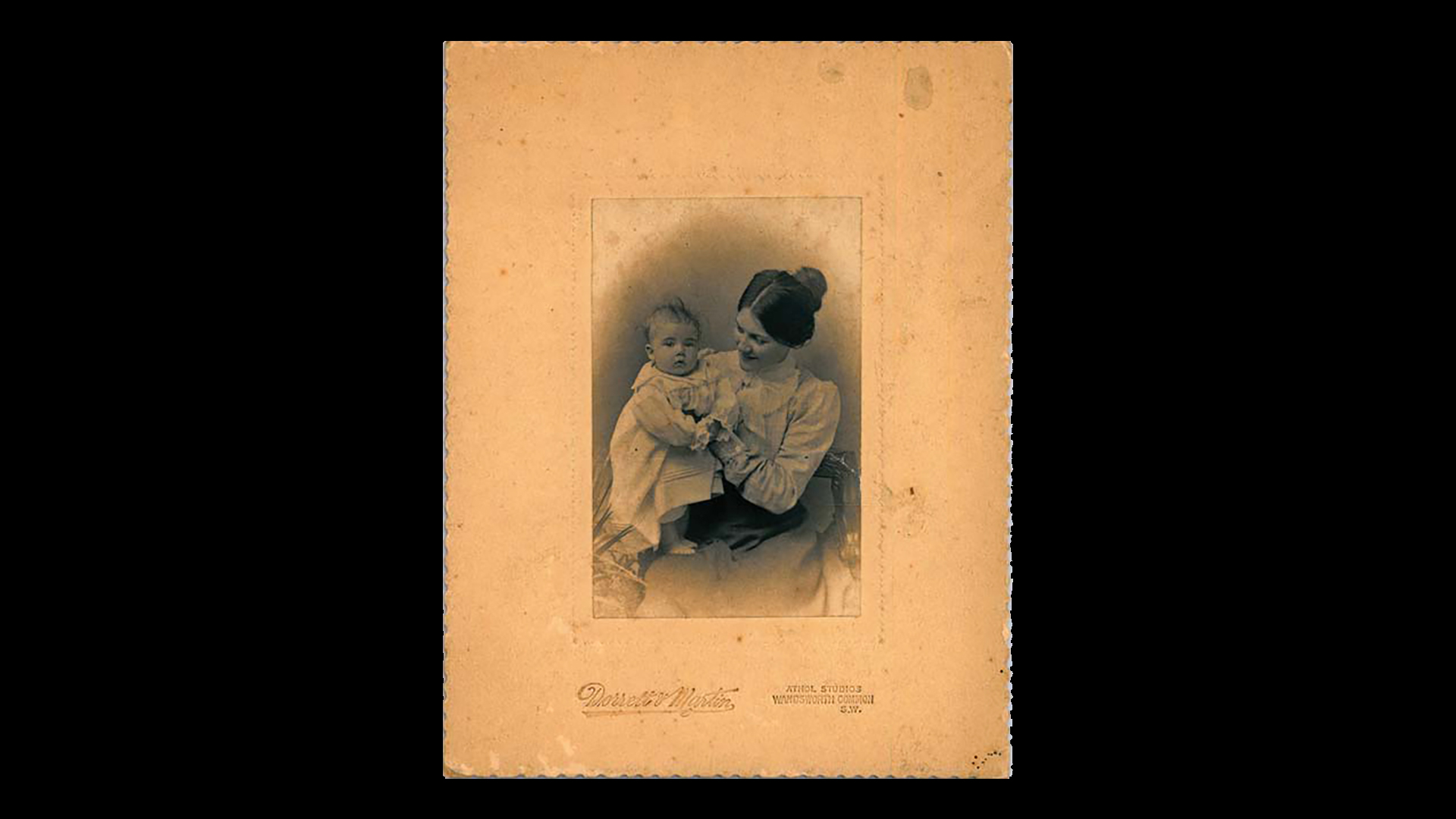
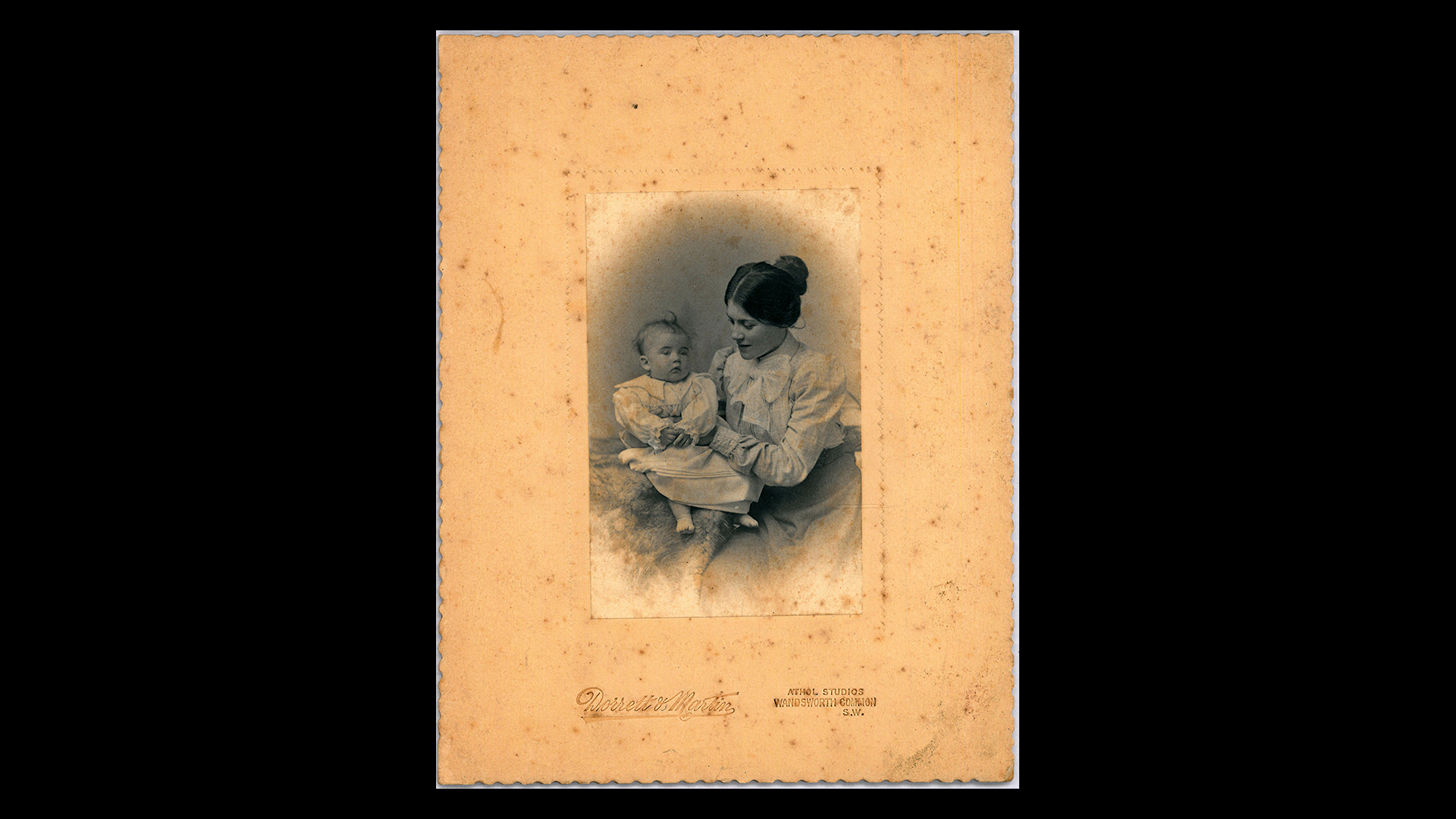
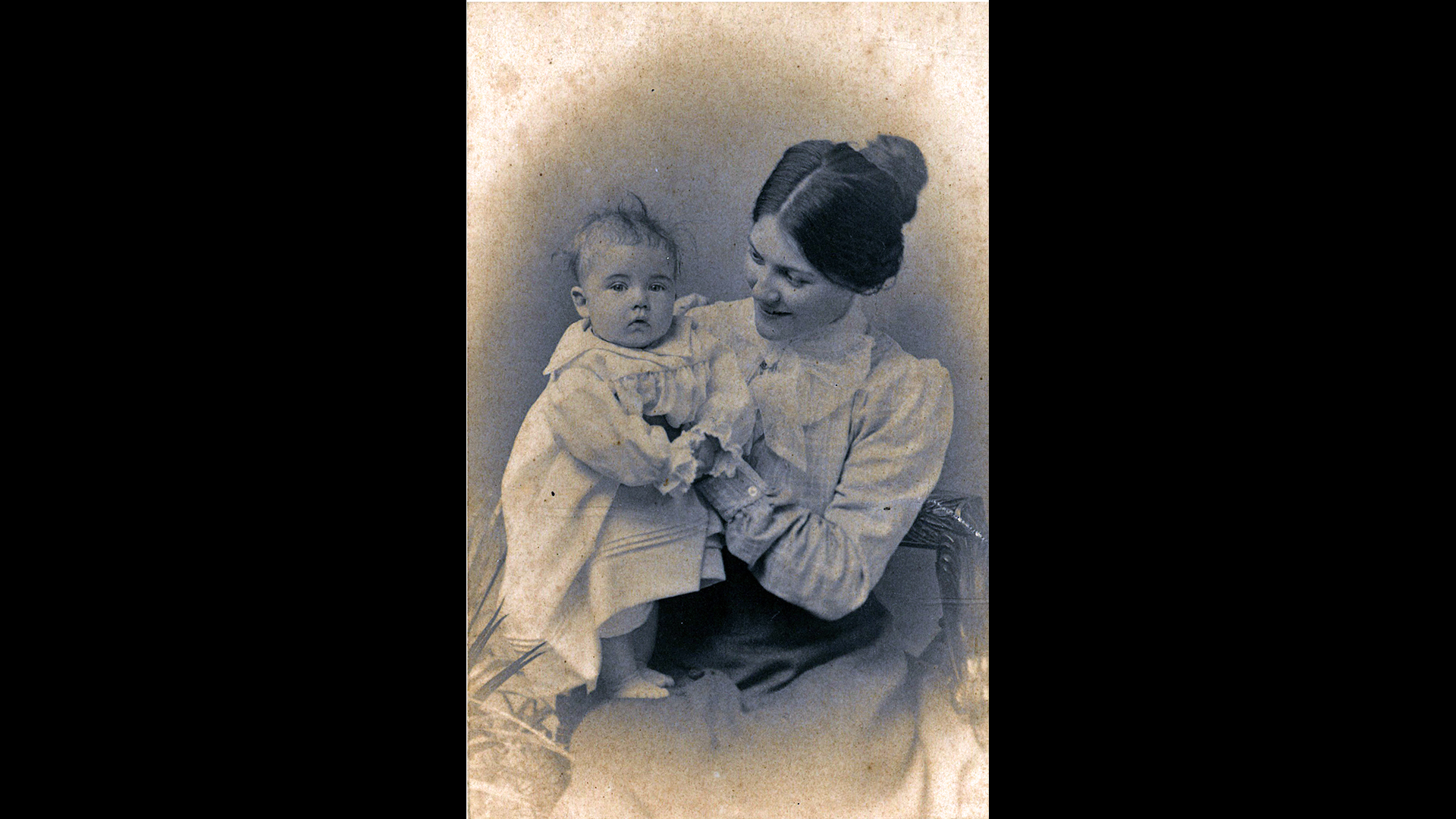
Shortly afterwards, Helen and Edward moved away permanently — first to Kent, then Sussex and finally Hampshire. But they returned to Wandsworth Common quite frequently with their children - they had three. The last born, Myfanwy, recollects her grandfather walking her over the Common. And Edward continued to write about the Common and surrounding area.
But how this happened is for another time . . .
Back to the top of this page . . .
